• Skip to primary navigation
  • Skip to main content
  • Skip to primary sidebar
  • Skip to footer
Alexander Training personal trainer Austin Texas

Alexander Training - personal training in Austin, Texas

Personal training in Austin, Texas and customized strength programs in Austin, Texas.

  • Home
  • About Kathryn Alexander
  • Blog
  • Success Stories
  • Training Programs
  • Start Today

Kathryn Alexander

Training with Ed Cosner at PowerSport Strength & Conditioning

October 10, 2016 by Kathryn Alexander

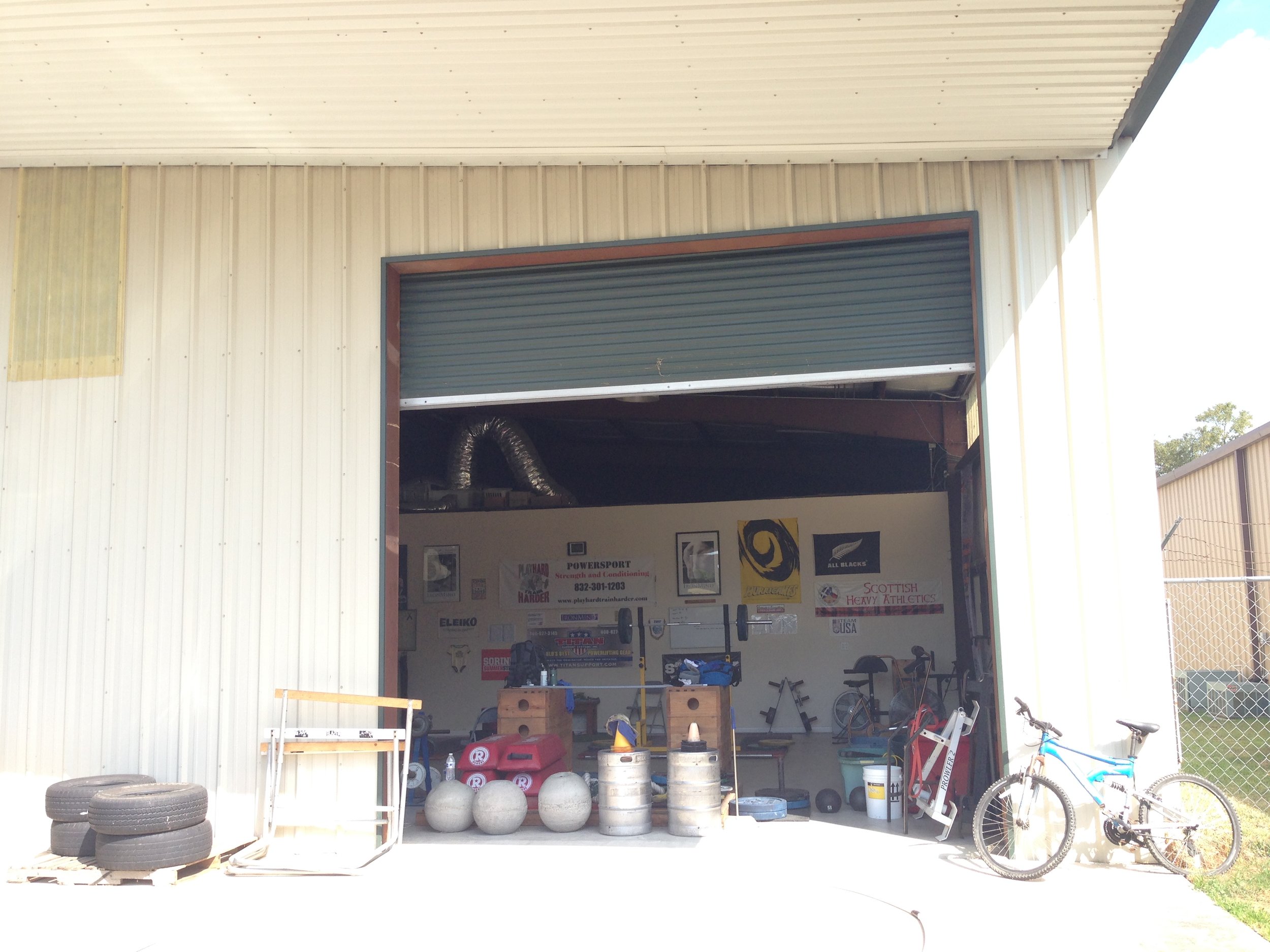
On Monday I had the honor of training with Ed Cosner at PowerSport Strength and Conditioning in Houston, Texas. I love visiting new facilities and seeing the different layouts, equipment, and methodologies that drive the gym.
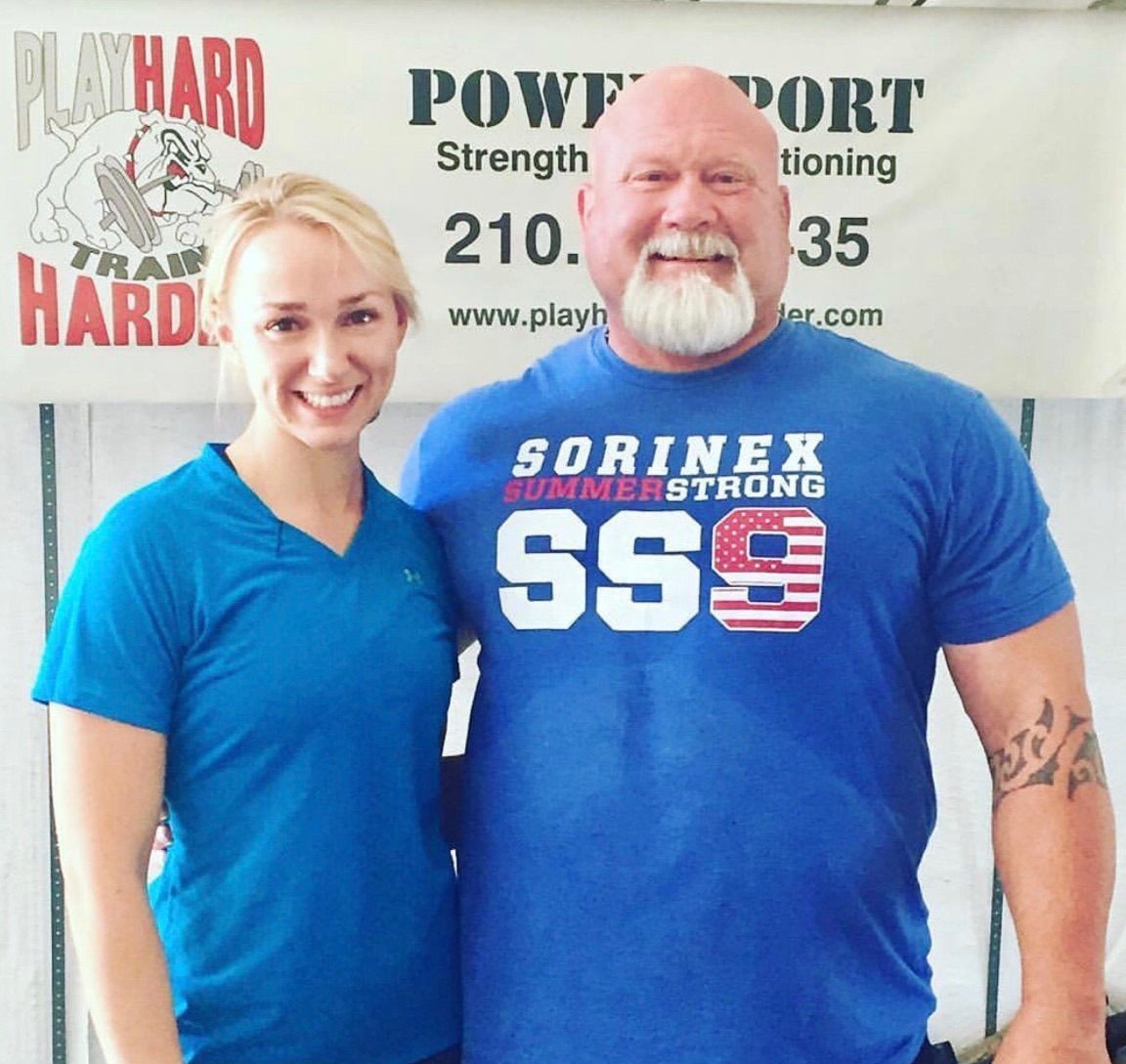
Whats even more fun than visiting a new facility is getting to know the individual behind it. In this case, that’s Ed Cosner, owner of PowerSport Strength and Conditioning.

Ed was a member of the US Army’s Elite Forces and was on the Elite Athlete Program. He played professional rugby, is an accomplished powerlifter, and Highland Games national and world champion.

His education is top notch, too. He earned his bachelors of science in kinesiology, and his Masters of science in human performance. That, in combination with his tactical strength and conditioning background, athletic career, and decades of experience working with athletes, make Ed the real deal.
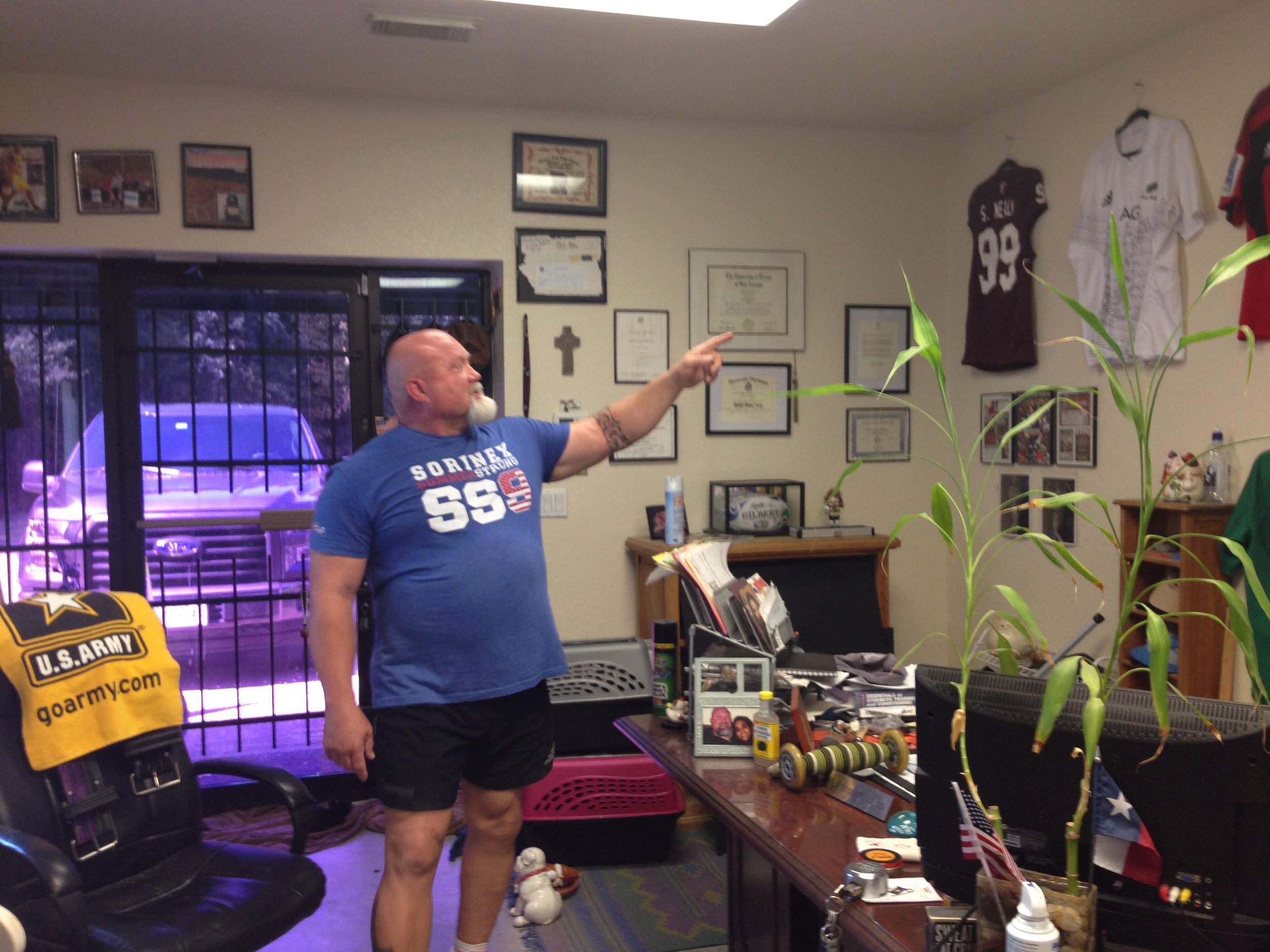
What a great facility! Weightlifting and powerlifting platforms, strongman implements, and a hard working training environment.

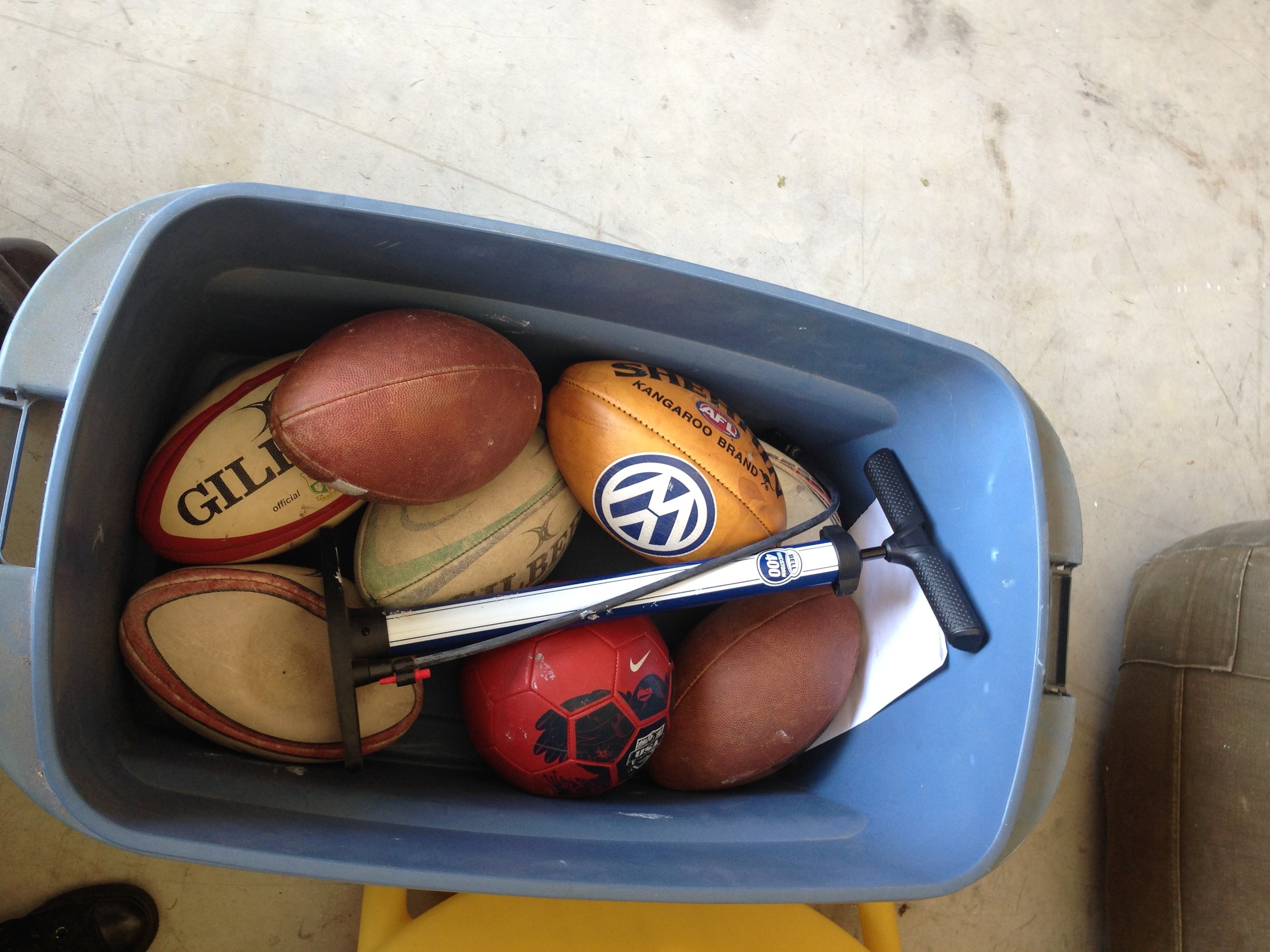
What a great facility! Weightlifting and powerlifting platforms, strongman implements, and a hard working training environment.

And a bucket of rugby balls.

And a bucket of rugby balls.

He has continued to coach professional level rugby players, including several members of the New Zealand All Blacks team. He has also been on the strength and conditioning teams at University of Texas San Antonio, Baylor University, and the San Antonio Spurs.

Ed now works with high schoolers, professional athletes, and people training to get stronger and better.

He is not just good at a lot of things, he’s great at a lot of things. If you are in Houston, stop by his facility. Visit http://www.playhardtrainharder.com/ to get in contact with Ed about training with him

Confession: I rarely use kilo plates so I don’t know exactly how much I was lifting. I could have done the math but I just went by feel. It’s not that much different. However, I keep training notes on my phone, and there were lots of question marks beside numbers from this workout. 🙂

I worked up to some moderately heavy deadlift triples and back down for a few backoff sets. Not my hardest workout because I didn’t want to jump into the car to drive back to Austin a sweaty, exhausted mess.

However, it was a great training session with Ed and one of his lifters, Darren, working out as well. The week’s program was written on a white board on the wall, jerseys from accomplished athletes hang in the office, and the general feel of the place says “Work hard!”

Ed, thank you again so much for your hospitality, and to Darren for sharing his session. I will be back soon! PowerSport office kittens need adopting, as of 10/10/16 still. Any takers? Let me know!


PowerSport office kittens need adopting, as of 10/10/16 still. Any takers? Let me know!

About the author

Kathryn Alexander is a strength coach and personal trainer in Austin, Texas. She loves hiking, college football, and the feel of a perfectly knurled barbell. Read more about Kathryn here.
Filed Under: Training Tagged With: strength and conditioning

Why Gym Memberships Are an Amazing Value

August 30, 2016 by Kathryn Alexander

Many people ask themself is a gym membership worth it? If you are able to commit time to the gym it is a great investment for your health and lifestyle!

A word problem:

Sally joins a gym for $60 a month. She goes 3 times a week faithfully and loses fat, gets stronger, and feels amazing. She even sleeps better and feels more confident at work!

All this for $4.28 a pop. ($60 divided by 14 visits in a month like August.)

Let’s assume she actually enjoys being at the gym and goes 4 times a week. That would be $3.33 a visit! Where else can you go for $3.33 an hour, while simultaneous improving yourself, your health, and your future?

Hint: It’s not actually a math problem.

It’s kind of rhetorical, but it has an answer. The answer is, nowhere!

Is a Gym Membership Worth It?

Nowhere else is as economically rewarding as a gym!

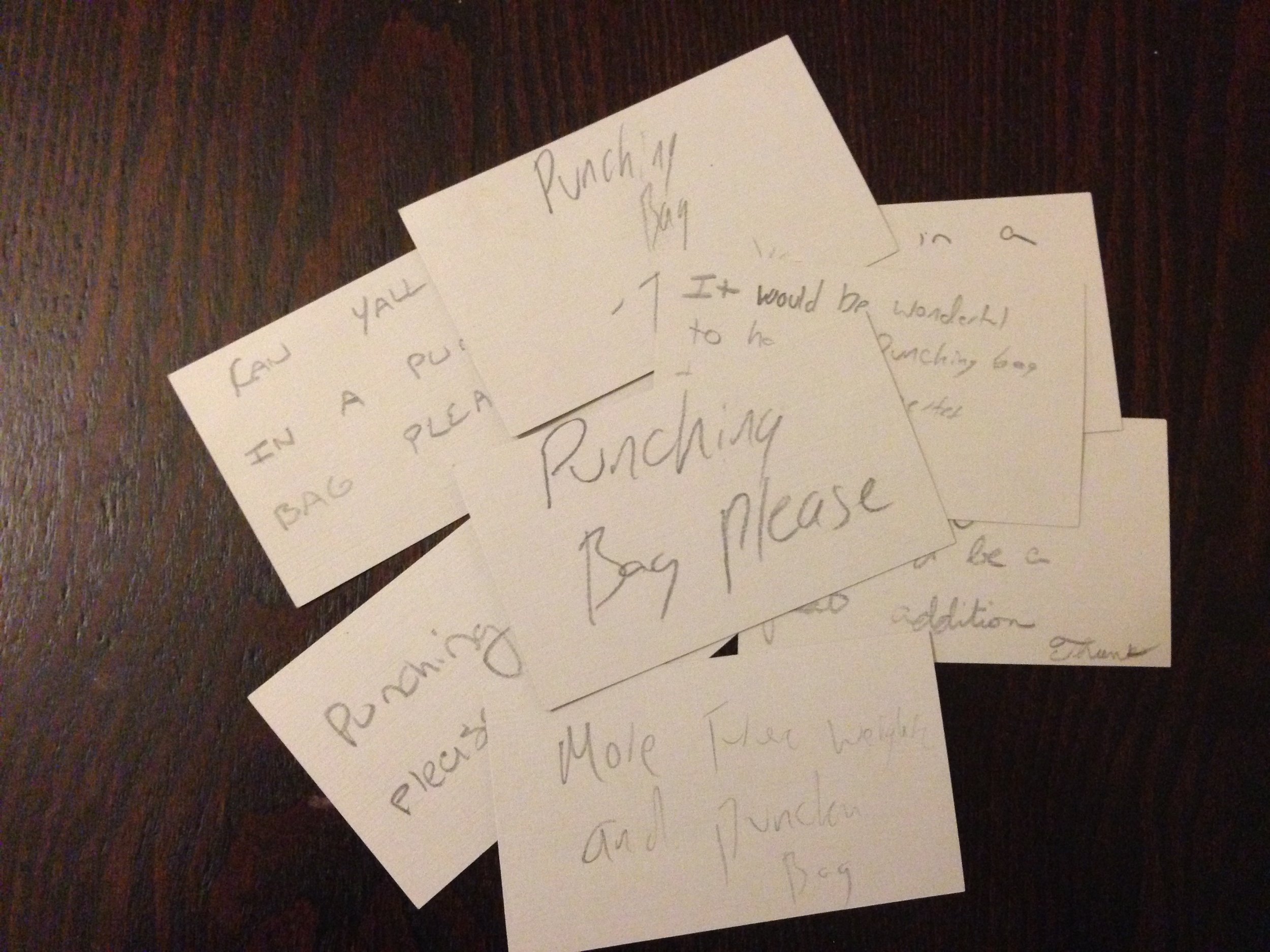
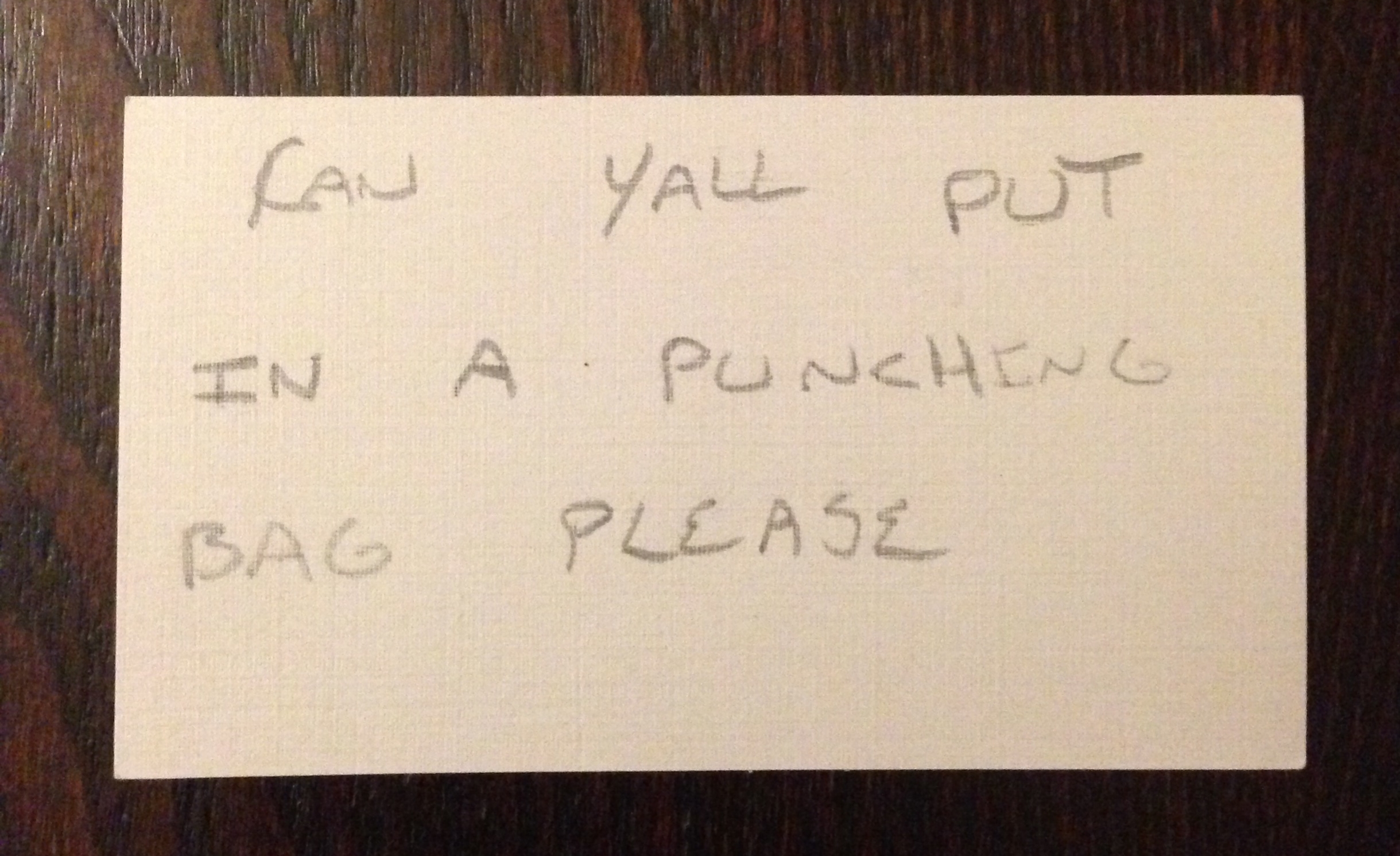
"CAN YALL PUT IN A PUNCHING BAG PLEASE". He was very polite.

“CAN YALL PUT IN A PUNCHING BAG PLEASE”. He was very polite.

I understand the phrase “different strokes for different folks” and I get that not everyone enjoys the gym, but I have never understood why people balk at the price of a gym membership.

It’s $30-$60 a month for an activity many people enjoy. This can take 2-6 hours of your week and put it to good use, while you are surrounded by like-minded people.

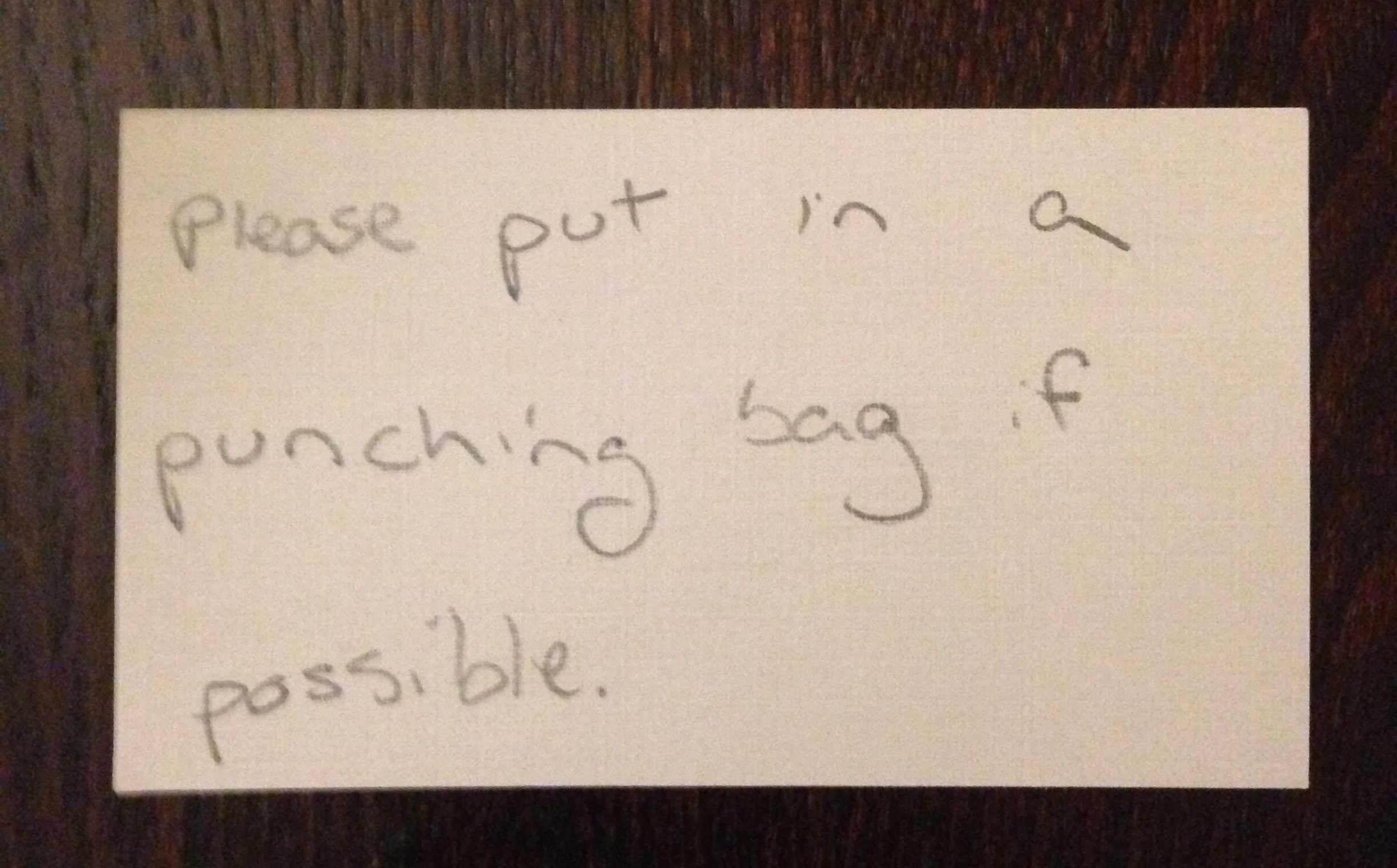
For $30-$60. (Don’t pay more; the mega gyms are crap. Oh, and don’t pay less. Planet Fitness is worse crap.)"Please put in a punching bag if possible."

“Please put in a punching bag if possible.”

What else are you going to do with that amount of time that will be as productive, enjoyable, and beneficial to your health? Nothing!

I can’t think of a cheaper hobby! I grew up a horse lover, and can I tell you how much more money I have now that my hobby is at the gym and not the barn? Lots!

What else are you gonna do with that time? Happy hour? $10 drinks? Or worse, shop, like my idle hands do? The safest place my wallet can be is at the gym.

Life is short. Spend it somewhere you enjoy!

More importantly than the economics of it, we have one short life. Spend it somewhere good!

"Punching Bag - Thanks". Still polite. 

“Punching Bag – Thanks”. Still polite.

Have you heard theory of the third place? Ray Oldenberg suggested our third place is where we go after work (our second place) and before home (our first place). It is a place we choose to go, where we enjoy the social interaction. More info here.

Gyms are our third place. They are where we want to go, and hang with people who want to be there. They understand our drive, our sticking points, and see us through them. They become our friends and sometimes chosen family.

Join the boxing gym!

I found something interesting today. Interesting in a trippy, time-warpy kind of way. It was a peek into human psychology, and it equally frustrated and amused me, as my mom and sister can attest. "punching bag in here would be a great addition Thanks"

“punching bag in here would be a great addition Thanks”

My sister came across these notes tucked in an old brief case of mine. They were from one of two gyms I worked at concurrently many years ago. I can’t be sure of which gym, and I’m definitely not violating any confidentiality issues here.

I wasn’t the manager or owner of this gym, and I can assure you good gym owners love feedback. I’m certainly not complaining about this guy’s wanting a punching bag.

But, here’s this guy’s problem: he is looking for a niche activity in the wrong place. He is looking for a boxing gym in a health club. Yes yes, I know some clubs have heavy bags and speed bags, but if he really wants to box, he should go to a boxing gym.

If he’s a good boxer, he will need better equipment than a multi-use gym facility will provide. He would outgrow the basic heavy bag and still not be happy with this gym set up. Also if he is or aspires to be an accomplished boxer, it will be worth it to him to be around other boxers, people he can sweat with and learn from."More Free Weights and punching bag"

“More Free Weights and punching bag”

"Punching Bag Please"

“Punching Bag Please”

"Punching Bag Please"

“Punching Bag Please”

I encourage everybody to join a gym or a group. Whether it’s a regular neighborhood gym or a specialized gym, it will be worth it!

So here’s my advice for this dude with the bee in his…boxers. Join a boxing gym. Just do it! Join a boxing gym!!

"It would be wonderful to have a punching bag to get my perfect body on." I never met the guy but I like him; I bet he's got a great sense of humor!

“It would be wonderful to have a punching bag to get my perfect body on.” I never met the guy but I like him; I bet he’s got a great sense of humor!

It’s worth the money if it’s that important to you. 

It’s worth the money if you’ll get that much enjoyment from it.

What’s the takeaway? Join a gym! Find your niche. It could be a regular fitness gym, a specialized gym, but join somewhere you want to go. Be grateful that you have somewhere to multitask so hard: get healthy, improve yourself, save money and bad calories you’d be wasting elsewhere, and be in good company! I'm not sure if they ever got a punching bag. I hope he found his place!

I’m not sure if they ever got a punching bag. I hope he found his place!


About the author

Kathryn Alexander is a strength coach and personal trainer in Austin, Texas. She loves hiking, college football, and the feel of a perfectly knurled barbell. Read more about Kathryn here.

Filed Under: Training Tagged With: where to start

What Real People Do to Be Successful

August 9, 2016 by Kathryn Alexander

Do you ever wonder what other people do to be successful? How do others set themselves up to get their workouts and make smart meal choices?

I wonder too, for a second… then I usually just go ask. I’m nosy, I mean, curious like that.

In the past two posts, I discussed how you can take control of your life and how to do that even in crazy situations. (Parts 1 and 2 here, in case you missed it.) More recently, I went straight to my sources and asked people who get it done how they do it.


When I’m in a time crunch, my go-to solution is to do a full-body circuit: squats, pushups, kettlebell swings, pull ups, military presses, and deadlifts are my best bets when I can only do 15 minutes!

Genevieve Malone, construction management engineer and founder of The Inertia Project


All I think is, “just put my tennis shoes on” and nothing else. Once you take the first step, the rest just follows. I think about how much better I’ll feel after even just 10 minutes of doing something. Exercise is the best investment you can make in your future self. No one ever regretted a workout. 

John Edmiston, firefighter


Meal planning is key. And rotisserie chickens are life.

Becca Ewing, business owner, videographer/photographer


I make an appointment with my trainer that I know I will keep. I try to keep things simple… I won’t drive further than 5 minutes (from home or work) to get to the gym and I actually prefer to jog or bike there too.  Every minute counts.

Tammy Young, Owner/Broker, Realtor®, GRI, Seed Property Group


I prioritize meal prepping, and simplify it. I try to find half an hour to make a batch of chicken and buy a ton of steam fresh veggies. 1 piece of chicken + 1 bag of veggies = a healthier alternative to fast food (if I’m really strapped for time, precooked chicken sausage and a bag of steamfresh veg = yum, plus they come frozen so easy to keep cold if you’re on the go)

Go for lots of walks throughout the day. 5 minutes here, 10 minutes there. Sometimes a walk is also exactly what you need stress wise to just get away. I set a timer to go off every hour for me to get up and walk around for 10 minutes and force myself to do it. So I may not have time to go and “get a workout in” – but I’ve at least been moving and keeping my stress low throughout the day.

Staci Ardison, Rebel Operations, Master of Deadlifts at Nerd Fitness


David Archer.png

Prepare! Take advantage of your “safe spots” around town, where you can count on a healthy meal.

David Archer, contest prep specialist, owner Precision Fitness

I do workouts even if I can’t make it to the gym. My wife and I do home workout videos and we mapped out our neighborhood for walks.

Claude McCan, musician, producer


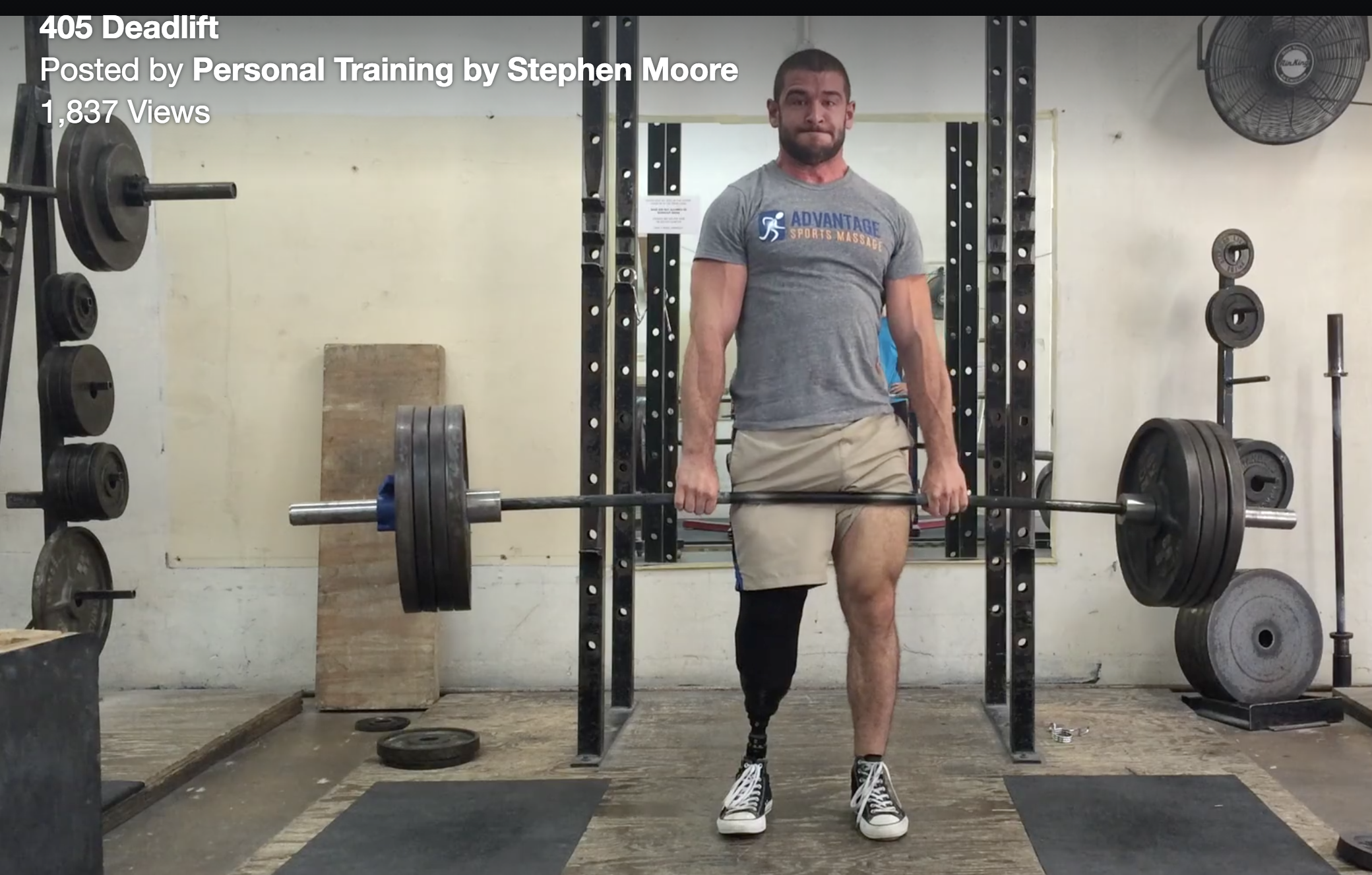
That's 405 pounds ONE MONTH after he got his prosthesis... that's why I listen to what this guy says...

That’s 405 pounds ONE MONTH after he got his prosthesis… that’s why I listen to what this guy says…

The battle is in your mind. It all starts with your attitude. That’s the number one thing. The physical stuff comes easier once you put your mind to whatever you want.

Stephen Moore, powerlifting coach, personal trainer


I prefer training as opposed to working out. Pick an event, commit to it, and train for it. I love this because there is skin in the game and it motivates me even when I’m busy.

Missy Calkins, Founder of lift[HER]  and VP of Business Development at 401k Marketing


I go on Instagram and look at people who motivate me to go workout.

Alex Hooper, Army Special Forces, Green Beret

Kathryn: Sarah sums this up perfectly, in words I have searched for for years.


That realization that no one can do it for you, no matter what the “it” may be (fitness or another life goal), is both incredibly frightening and, if we allow it to be, completely liberating.

Sarah Buttrill, wife, mother, professional educator, Zumba instructor, musician


About the author

Kathryn Alexander is a strength coach and personal trainer in Austin, Texas. She loves hiking, college football, and the feel of a perfectly knurled barbell. Read more about Kathryn here.

Filed Under: Attitude & Mindset Tagged With: attitude

What to do When Life Gets Crazy: (Taking Ownership, Part 2)

July 26, 2016 by Kathryn Alexander

Last week I covered the importance of taking ownership of your life to get what you want. The process of creating new habits takes effort at the beginning, but it becomes easy once you are in the routine. Your workouts will make you feel good all day and sleep better at night. Healthy meals will help you lose fat and avoid the random energy slumps during the day.

Once this becomes second nature and you are in your groove, you will wonder how you lived before feeling so good. It seems easy. You’ll see.

Then, BAM. Life will hit you.

You’ll get a reminder that you aren’t actually completely in charge. More often than not, it will be a small but significant change that throws off your schedule, such as:

  • a minor injury that doesn’t require extensive treatment but necessitates change in your workouts
  • a change in work schedule
  • a vacation that throws your train off the tracks just long enough to shift your momentum
  • new responsibilities that take more of your time

Not all of these are even bad events. The work change can be because of a promotion, and vacations are sometimes the sweetest parts of life.

How to Handle a Small Disturbance

Plan for one week

These small but significant changes are often temporary. Sometimes you know the time frame, other times they go on indefinitely. In both cases, plan for the upcoming week. Just one week. Pack workout clothes to exercise at a different time of the day and scope out healthy fast food near you. You might even plan for fewer workouts this week, and that is OK! See how you manage this one test week and adjust accordingly.

If do fewer workouts, that’s ok; acknowledge that you are choosing how to spend your time, like you do a fiscal budget. Don’t say “I can’t, I don’t have time.” Acknowledge that your time was better served knocking down your to do list, and that you’re going to get back on it tomorrow or next week.

About Injuries

If you have a small, non serious injury, continue to workout around it. If your wrist is bothering you, don’t skip the gym! Go, and work the things you can. Lunges, step ups, possibly other cardio. Or go for a walk or run! Likewise, if your knee or hip hurts, continue to get your upper body and core stability work in. If getting to the gym takes an almost unreal amount of motivation for you, then it’s even more important that you don’t quit going! Go, and stretch. Go, and work the 3 exercises you can safely. Don’t lose your momentum!

Look to Learn from Others

Look around at other people who are in your position and successfully managing to do what you want to do. Ask the guy in your office who seems really fit how he handles the work hours, home life, and fits in exercise. He might know a killer cafe just off your regular path, or a great little gym you weren’t aware of.

Ask the busiest people you know how they manage their time. (Protip: be respectful of people’s time. Ask a succinct and specific question: “I have noticed that even when you’re super busy, you’re very successful. How do you manage all your work responsibilities, and find time to eat healthy with your family?)

Cut Down On Your Workout Frequency

This might not be what you expected me to say, but it’s absolutely ok. Sometimes you are just in a phase of life where you cannot workout as much. It’s OK to be on a maintenance plan. Re-evaluate your schedule, adjust accordingly, and find the best option. Workout twice a week if that’s all you can do. Take a half mile walk around the block twice a week if that’s all you can manage.

How to Handle a Large Disturbance

Unlike a minor setback, large changes in your life can be tremendously challenging and stressful for long durations. These are the worst of bad situations that only happen a few times in life.

This is when life dumps bad things on you, when everything is wrong, all at once; when you are stretched to your limit emotionally. This is usually serious and painful, like an illness threatening yourself or a loved one, or an extremely challenging work program.

Reframe

Step back and identify your main goal. What do you need to do? Get through residency. Graduate from the fire academy. See your chemotherapy through. Care for your mother, who is caring for your father, who has ALS. Support your wife while she’s exhausted, up with the new baby every 3 hours, all day.

Don’t work toward your exercise goals as aggressively during this time. Remember, these are the times you train for. You train for exactly this, to be healthy when you need to be, to be mentally sound when others need you to be. To have great habits to fall back upon, so that even your “unhealthy” isn’t disastrous.

Be Kind to Yourself

Be honest about what you can do. If you are extremely taxed emotionally or physically, you won’t recover as well, so your workouts cannot be as strenuous. Same scenario if you aren’t sleeping as well.

What do you like to do? Put on your favorite music and stretch? Do that for 10 minutes a day. Get a spontaneous walk around the office when you finished a project early.

In short, remember that moving and eating well will make you feel better, which can make the tougher times easier to handle. However, you must be kind to yourself and give yourself a break if you aren’t your usual superman or woman.

Remember: this too, shall pass.


About the author

Kathryn Alexander is a strength coach and personal trainer in Austin, Texas. She loves hiking, college football, and the feel of a perfectly knurled barbell. Read more about Kathryn here.

Filed Under: Attitude & Mindset Tagged With: attitude

Why is it Important to Take Ownership: Get What You Want

July 18, 2016 by Kathryn Alexander

Taking ownership of your life, your body, your habits, and your results is the most important thing you can do in life.

This will be the most important blog post I write.

More important than any technical info, any recipe, or any magic secret. Taking ownership gives you freedom, control, and means you can get what you want.

Note: the concept of taking control of your life is one I have preached for a long time. (If you don’t control your life, how can you change it?) The word “ownership” and the concept of owning your decisions is one that Jocko Willink espouses. Thank you to Jocko for stating this more eloquently than I have ever even dreamed of.

Did You Workout Yesterday?

Did you workout yesterday? If not, why not? Did you get your workouts last week? If not, do your reasons sound like this:

  • I was so busy.
  • I had an unexpected meeting thrown at me.
  • I was so tired. I got to the end of the day and just couldn’t do it.
  • I forgot my gym bag. Or sports bra, or shoes, etc.
  • My kid got sick and it threw off my whole day.
  • I got roped into a lunch with coworkers.
  • I had a going away meeting with a friend who’s moving. She’s moving, I couldn’t miss that.
  • Oooh, I had a last minute date. Surprise happy hour!

Some of those are legitimate issues. If your kids get sick, you have to take care of them. Getting your job done means attending a meeting you didn’t know you had and working late to meet a deadline you can’t control.

Assess Your Life

You probably don’t have control of every aspect of your life or schedule, but you have control of enough things to be successful. Your responsibility is to identify your weaknesses, your challenges, and how you can overcome those things.

You also need to let go of your excuses. You need to know you can get workouts, plan your food, lose weight and increase strength even with your work and family responsibilities.

Don’t believe me? Look around. Many people in your situation are working full time, volunteering, driving kids around, and still making their health a priority. Somewhere among the 7 billion plus people sharing this planet are many people who have the exact, or almost exact, same scenario as you and overcame it.

They aren’t super moms and dads, uber successful people who get an extra 2 hours a day. They are people who encountered a problem, studied it until found a solution, and planned for it next time. This is all trial and error. They might have missed a workout or two until finding a workable solution, but you can get someone in your situation found that workable solution.

Consider again the reasons you had trouble getting in your workouts last week. Look at those reasons/excuses/roadblocks and be very honest with yourself about them. Are you actually too tired to exercise, or do you just hate your chosen exercise? Honestly identifying these reasons is key. From here, look for patterns. Are you raring to go Monday morning, weekend indulgences fresh on your mind, but tapering off by Wednesday?

Give this real thought. There aren’t right or wrong answers. Don’t feel shame about them. It’s not whining about excuses if you’re actually identifying roadblocks with the goal to eliminate or manage them.

Make a Plan

Take the “I’m too tired” reason for not working out. Perhaps you are so tired and this keeps you from working out 4 days a week. It might not even be an excuse because you are legitimately really tired!

Instead of telling yourself you must just barge through the fatigue, look at other areas in your life. Can you improve your sleep habits so you are more well rested? Perhaps your company treats you to a giant food fest at lunch that makes you crash in the afternoon. Work on feeling rested and it won’t take so much willpower to do your workout.

Knock Down Barriers

Let’s look at another. You forgot your gym bag. Guilty! I used to do it all the time. I’ve started carrying extra clothes in a bag in my trunk, and an outfit that’s nice enough for happy hour or dinner. I can get a workout and go straight from the gym. I don’t have to go home, skip my workout, get ready and then go.

That is preemptively planning for success. I don’t have to refuse last minute invites unless I want to! (Let’s be real; I’m a planner. I am SOOO down for dinner 2 Thursdays from now, 7:15pm).

In a more difficult scenario, you might find yourself at work, facing a deadline when you get a call about a sick kid. It’s hard to leave because you have bosses to whom you are accountable and you’re accountable to your team.

What do you do? You get your kid.

You miss your workout. Thats fine! It’s one day!

If having to leave work to pick up your child was a rare situation because he isn’t often sick and your spouse was out of town, then you don’t have to handle it differently. Take care of your family, eat a good dinner and get your next scheduled workout.

If it is a common occurrence that this makes you miss your workout, make a plan around it. You can do early morning workouts before any interruption, or tougher weekend workouts with quick low intensity exercise mid workday. Many people do this, especially busy people who are accountable most of the business hours. That doesn’t mean it’ll be easy, or fun.

But it will be worth it!

Plan Your Food Too

Food is a huge part of your success whether you’re trying to lose fat, gain muscle, or improve performance. Like you examined your workouts, look back on your diet. What did you eat for breakfast today? Did it push you in the right direction? Did the food and drink choices you made this week help you?

If not, what is the reason? Often it is just lack of preparation. You run out the door in the morning, and grab what happens to be in the fridge. Nothing in the fridge? There’s always that taco truck every day by work. (Or does that only happen in Austin? It feels like they will chase you down with food!) You have to prepare or you’ll end up making do with what aren’t the best options.

Parents often tell me it’s tough making healthy food choices with children. The kid’s tastes are fickle or they have kid birthday parties with sweets and junk food. Many parents have found success modeling healthy eating at home and including the children in the same meals as age appropriate.

As I grew up, my mom explained to me that sweets, such as those at birthday parties, are for special occasions. It made me understand that we can indulge guilt-free, but it doesn’t happen every day.

Include Family in Your Healthy Habits

As you change your habits, expect that you might get some pushback from your spouse, family and friends.

A 2014 study of data from over 2000 adults found that we are genetically more similar to people who choose as our friends than we are to strangers. Perhaps this can explain why people are sometimes threatened by the choices their friends make.

Have you ever noticed that if you decline a drink, or a dessert, people encourage you to “go ahead, have just one!”? Our friends and their habits are so familiar to us, that when we start to change, it affects them too.

However, wouldn’t you want a friend who is abstaining for health reasons to make that healthy choice? Absolutely! Is it Topo Chico in her glass? Vodka soda? As long as she is safe, it shouldn’t matter to us. Remember that this works the other way as well. You get to decide to have a salad, skip dessert, partake in dessert, drink or abstain.

Stand Your Ground

Here is where you have to stand by your decisions. Decide what your goals are and how aggressively you will pursue them. Then consider how it will affect your life and those around you (even if it shouldn’t affect them.)

If you decide to quit drinking for a month but you have a standing happy hour with your party crowd, prepare to (briefly) explain your decision if it comes up and stick with it.

Don’t Fall Into the Busy Trap

Who isn’t busy? Everybody is busy! The only people who aren’t busy are the people who planned well and worked hard to structure a life that allows flexibility. Until we achieve this, we are busy too!

Paradoxically, when you are super busy, life gets easier if you take the harder road. This means planning your workout and putting it on your calendar, packing your bag, and following through. Yes, it is harder to plan tomorrow’s dinner right now, but when dinner rolls around, it is a mental break to eat the healthy meal that is already prepared.

This also means planning your meals, and keeping in mind where you can eat healthy if you have to run out to a restaurant near your work.

To blame being busy, or blame other people’s decisions or circumstances gives those things power. It is a false power, however; they don’t truly have power of you.

Do This Now

Make a plan for tomorrow. Pick 1 thing: exercise, or food. Then, decide how you’ll succeed at that one thing tomorrow. If you pick exercise, decide today what you will do tomorrow, then plan for it! Pack that gym bag, or put your tennis shoes by the front door.

If you picked food, then decide right now what you can eat that will be healthy. Remember, lean protein + veggies + a side of carbs, and lots of water. This means you should stop by the store if you need. Make time for that. Need ideas? Some of my favorite recipes: citrus salmon & broccoli, oven baked Italian chicken & veggies, or my favorite easy breakfast.

Next week, I am going to cover what to do when life gets crazy. I mean crazy: when work owns your life, kids are at camp and every week is different, or a family member has terminal illness. Stay tuned for tips on how to manage being healthy through those times.


About the author

Kathryn Alexander is a strength coach and personal trainer in Austin, Texas. She loves hiking, college football, and the feel of a perfectly knurled barbell. Read more about Kathryn here.

Filed Under: Attitude & Mindset Tagged With: attitude, start here

Emily does pull ups before the wedding!!

June 6, 2016 by Kathryn Alexander


Emily is a smart, funny woman. A dream client, really. She showed up on time, worked hard on short and long term goals, and her sense of humor made me laugh every session. 

Emily began training with me in July 2015. She was already beautiful and fit, but wanted to start being more active, both for her upcoming wedding, and to be healthy in general. The pull up goal, though… that might have been my favorite.

Emily wanted to learn how to lift, but didn’t consider herself a gym person. (Yet.) She wanted to learn the right way, and that served her well. 

What she didn’t realize was that this was a huge benefit to her since her form was perfect; she moved naturally, completely devoid of bad habits.


Can I tell y’all that this girl is a trooper? She had no idea how hard she worked, simply because she didn’t have a gauge. I have worked with clients for over 11 years, so I have a huge perspective of people in the gym and can tell you honestly she worked harder than most people. She set her mind to it, and got the job done. Another set of heavy squats? Ok. Three more heavy deadlifts? Done.


I asked her a few questions about her gym experience. See below.

Why did you decide to go to a gym and lift instead of zumba, group classes, etc.?

Before last summer I hated gyms. I always felt intimidated when I would go because I did not know how to use the machines or weight lifting equipment. Of course I could ask someone, but who wants to do that? I’ve tried the group classes and I’d find myself in the far back corner not really trying that hard and wishing the class would just hurry up and be over. I would also find excuses to not make it to a certain class because the class time would not fit with my schedule that day. For someone like me, just getting to a gym with flexible hours is important. Knowing how to actually use the equipment was the next step.


Why did you decide to see a trainer?

I needed someone to push me, hold me accountable AND I wanted to learn how to properly use gym equipment. I’ve known people to hurt themselves lifting weights, whether from bad form or too heavy of weight and I didn’t want that to be me. I had a friend training with Kathryn and I used my upcoming wedding as the motivating kick I needed to get myself in a gym.

What was your main goal? 

I wanted to be stronger and healthier. I wanted to not be scared to go to the gym by myself. Oh, and I wanted to be able to do a pull up.

What was your favorite part of working out?

I am really surprised that I liked squats so much. (Kathryn: she’s good at them! See proof below.) I mean I actually enjoyed working out! I didn’t enjoy pull-ups much, but it felt so great when I was able to do several of them in a row. The results I saw in the mirror were also quite nice. Having friends and family notice my muscles was very flattering.


Anything surprising you learned from the gym? 

Gyms aren’t scary (though I always knew that). I feel totally comfortable being the only female in the free weight section of the gym now. 

Anything else you want to add about your experience?

If you’re considering making some healthy changes to your life, a personal trainer is a great way to start. I think learning proper technique and form is vital and something you can take with you when your training ends. Kathryn makes the whole experience fun. I was sad when my training with her ended, but I’m going to the gym by myself now 2-3 times a week and I’m very thankful for all that she has taught me. It’s definitely worth it!


About the author

Kathryn Alexander is a strength coach and personal trainer in Austin, Texas. She loves hiking, college football, and the feel of a perfectly knurled barbell. Read more about Kathryn here.

Filed Under: Testimonials Tagged With: brides, clients, personal training

11 Unhealthy Habits Everyone Should Quit to Make Your Workouts & Life Better

May 28, 2016 by Kathryn Alexander

We are so often told what to do: eat at this restaurant, add this new exercise into your routine, buy this, wear that! What if, instead of doing more and adding more, you would benefit by letting some things go? Bad habits can weigh you down and make your life harder.

My challenge to you is to identify which of these habits you can change for your benefit, and start applying them today. Please feel free to reach out to me if I can help in this process. I’d be honored to help you start living a happier life!

1.  Stop Attaching Your Ego to Your Body

Your self worth and your body are two unrelated things. Yes, I want you to feel great about your body! It is a fantastic thing to have an outward symbol of your hard work and be proud of what you have achieved with your physique. Committing to a workout routine also helps develop discipline and faith in a process.

But these things do not make your self worth. 

They do not make you kind or intelligent or worthy. Even if you skip a workout, break a leg, or gain fat, you are still all the good things you were before. Keep working toward your fitness and physique goals, but remember who you are, what you are good at, and the people you help.  Then hold that in your head regardless of your physical status.

2.  Stop Going After Other People’s Goals.  

For some odd reason, strangers and non strangers alike feel compelled to offer their unsolicited opinions and judgements regarding others’ workouts. “Don’t get too big!”, “Don’t do this exercise or you’ll get bulky.”  “I don’t want to be onstage in a speedo!”  (It’s not a speedo, by the way; nobody’s swimming here.) Why this is acceptable is beyond my comprehension!

You own your body, your time, and your effort, so you get to pick what you work for.

If you want to be a powerlifter, train hard for strength! If you want to compete in a physique contest, it’s ok if your social circle doesn’t understand. You’ll be infinitely more motivated when you are honest with yourself about your goals. Then go at them!

3.  Stop Comparing Yourself to Others

I encourage you to find a training environment where people work hard, have structured goals, smart programs, and compete. I cannot overstate how important it is to be surrounded by people who are smarter, more experienced, and stronger than you are. Training in this type of environment will improve your motivation and results tremendously. You will learn and it will drive you to be better.

However, this does not mean you should look at someone who is the same age, the same weight, or has some other factor in common, and think you should be able to do exactly what that person is doing. Absolutely not! Why? Because you have a different body. You have a different training history.

Work as hard as you can to reach your goals, and your training potential. This might include having mentors and workout partners, and even competitive rivals. That is great!  Chase them! But do not put yourself down because you don’t have the exact abilities as someone else.

4.  Stop Procrastinating

You aren’t going to be in shape, disciplined, and experienced when you start. Just start!  You’ll get stronger and work smarter as you go.  Just start!

5.  Stop Pushing Through Injuries

Many competitors, or people with competitive personalities, are the exact opposite of lazy. This trait is what drives them toward excellence and success, but like Achilles, can also be a downfall. If an injury doesn’t respond to a short period of rest, frequently recurs, or causes debilitating pain, it is not worth pushing through. Know when to go see a doctor to save you damage and time in the long run.

6.  Stop Making Excuses

There is a psychological benefit to making an excuse.  It removes control from you and places it onto another factor, which makes you feel better your actions or inaction. Blaming your busy work schedule for skipping workouts is easy to do, and easy to justify.  You have to make ends meet, right? The problem is, it doesn’t help you. It doesn’t help your family you are working so hard to provide for.

Ever heard the expression, “There is nothing new under the sun”? Literally every problem you can think of, someone else has overcome. Someone out there has had that problem, a worse work schedule, more children to take care of, and still figured out a way to practice healthy habits. If it’s important enough to you, be honest about what you can do, and do it!

7.  Stop Doing Things That Take You Farther Away From Your Goals

We all know the things we should do. Do your workouts, eat your protein and vegetables, go to the dentist, etc.  We check those off a list when we do them. (And you list makers, I know you write them in to your list when you’ve done them, just so you can check them off. Hey, I do it too.)

Consider all the small things that take you farther away from your goals. Skipping a meal, not eating enough protein, not drinking enough water, and staying up too late. These things seem small but they add up. If you are serious about changing your life, your body, and your habits, identify these issues and address them.

8.  Stop Drifting

Write down goals and work toward them. If you don’t have specific goals you are working toward, you roll into the gym when you feel like it, work what you feel like working, and go home when you feel like it. This is okay sometimes. It happens on reload weeks, or on vacation when you are improvising in a different gym, but it really won’t serve you best in the long term. For what to do about this, see below.

9.  Stop Program Hopping

One of the biggest keys to success is following a well designed program. Sure you can make progress without a program, but you’ll get there faster with a program, and who doesn’t want to get there faster? An effective program has a plan, structure, and a big picture. It will stay consistent, or change only slightly, for a period of weeks. Stay with it!

Do not change simply because you’re bored. Do not attempt to “shock your body” by adding a bunch of random crap to your workouts, or by sticking your finger in an electrical socket. Squeeze all the effectiveness you can out of a program by improving upon the workout each time you do it. That’s hard to do when it changes more than you wash your coffee mug.

The best way to find a good program is to seek out a qualified trainer who has experience programming. Talk to the people in your gym to find out who they have worked with, who they liked, and what brought results.

10.  Stop Being in a Rut

This sounds like a contradiction to the previous point, but it is not. Hear me out. A rut does not progress, never changes, and does not deliver results. It may be comfortable, and it may have even delivered results at one time. It doesn’t anymore, but hey, it’s better than nothing, right? Maybe. But why settle for better than nothing? Go for better than that!

11.  Stop Obsessing- Live Life!

Do a little bit of research to find a workout plan that you can stick to. Have faith, give it time, and do it with gusto! Balance out your hard work a positive attitude, good food, and enough sleep. Then go out and have fun! Enjoy your newfound energy, vigor, and live your life!

I’m excited to share these tips with you and cannot wait for you to apply these strategies and experience the benefits in your life. I’m ready to see you succeed!


About the author

Kathryn Alexander is a strength coach and personal trainer in Austin, Texas. She loves hiking, college football, and the feel of a perfectly knurled barbell. Read more about Kathryn here.

Filed Under: Attitude & Mindset

How to Get What You Want: A Foolproof Guide to Setting and Achieving Big Goals, In and Out of the Gym

May 1, 2016 by Kathryn Alexander

Les Brown says, “Shoot for the moon and even if you miss, you’ll land among the stars.” 

Selena Gomez sings, “The heart wants what it wants.”

I don’t want the moon. Ever since I watched Apollo 13, space flight has seriously freaked me out. I’m grateful for NASA and people with steelier nerves than me, but I am not Elon Musk. This girl enjoy warm showers and abundant oxygen.

What if your heart really doesn’t know what it wants? There was a time when knew I didn’t like my job, and I had aspirations of improving myself, being happier, living for the moment and other regurgitated platitudes, but I didn’t know how to get there. Those are emotions, not actionable goals. They are vague. How do you get there, that ambiguous place where you are happy and present? Where is there? 

Further, how do I know what my heart wants? This is also a vague question. Not every person knows from a young age exactly what career path or life goal he or she wants. Often, people are in painful situations precisely because they don’t know what they want. As for me, I’m a literal person. My masters degree is clinical exercise physiology. Between the AV node, QRS complex and cardiac output, I think my heart is just telling me to go run more stairs.


Goal Setting Takes Work

Goal setting can be hard, both in life and in the gym. It takes deep thought, consideration, and time to decide what you want out of life. What you are really deciding on is where to spend your time and that is a hugely difficult decision! Time is the most valuable resource, one that no brilliant researcher or billionaire has found a way to create more of. 

What is most worthy of spending your time working toward?

You Start Where You Start

Begin by acknowledging this: you start where you start. You can try to deny it and jump ahead, but it will only hurt you. You are in a factual situation; if you are 15 credits and a thesis away from a degree, you have 15 credits and a thesis to go. If you can squat 150 pounds, you can squat 150 pounds. In the gym, trying to skip steps and start at a place too advanced can hurt you. There is no shame in starting where you are.

How to Decide What You Want

Get out your calendar right now. Schedule two separate half hour chunks of time where you sit down and think.

At this first session, sit by yourself, put your phone on airplane mode in the next room over, and let your mind wander. This is a brainstorming session in which you don’t cut down anything. You can decide later if it’s a bigger goal than you are willing to work toward. For now, just think about possibilities. 

Ask yourself these questions: 

  • What do I want my ideal workday to look like one year from now? 


I want to  teach my clients to flip tires all day! Halfway kidding. We do other things too.

I want to  teach my clients to flip tires all day! Halfway kidding. We do other things too.

  • Where do I want to retire? 
  • Who am I good at helping?
  • What am I good at doing?
  • What do I enjoy doing?
  • What do I need to be happy?
  • What do I want to be happy?

These are malleable goals. Do not stress yourself into thinking there is one perfect vision of life you are chasing. You can adjust goals as you go. People naturally do this all the time. College students begin by declaring a major, take some classes, and either confirm their decision or change it. People in the workforce have mid-life career changes and restructure their whole lives to change jobs.

In the gym, people begin working toward one goal and shift toward another. Bikini competitors begin train for a show and realize they like powerlifting. Crossfitters will begin prescribed workouts and decide to focus on Olympic lifting. These things are allowed to happen! They are all part of finding what you naturally enjoy and do well.

How to Decide What You Want, Session 2

At your next half hour goal session, rewrite these thoughts into more accomplishable goals. Take these point by point and break them down into less abstract feelings and more concrete action steps. 

For example, my brainstorming session 1 looked similar to this: 

I want to be happy! I want to be flexible and live on my own terms. I’m not happy in an office 40 hours a week, and I always gravitate back toward the gym, even though the last “office job” I had was in fitness and only a few hours a day at a desk. One of my favorite things in the gym is teaching the deadlift for the first time, and watching people realize they are stronger than they thought. 

I want to help people. I hate hate hate ALS and want to help people with it, but I keep getting my tender heart broken every time I get to know another patient who is living with ALS. How can I help and not be sad all the time?  We need to find a cure. 

I want to go to Paris again, and travel more! I want to learn French, but I could spend all that time reading more exercise research. Hmm. 

To accomplish: drive my big lifts up (bench press, deadlift, squat). Get big shoulders. Also I want to want to do yoga, but haven’t decided if I want to. 

Longer term goal: I will have a condo by Tiger Stadium to stay in when I go to football games. 


True story: one of my goals was to visit France to see my friend Marion, who was an exchange student at my high school. It took me 15 years, but we spent my 31st birthday walking miles around Paris and catching up. In English, because I don't speak …

True story: one of my goals was to visit France to see my friend Marion, who was an exchange student at my high school. It took me 15 years, but we spent my 31st birthday walking miles around Paris and catching up. In English, because I don’t speak French.

These are a good start. They are inherently pretty vague and selfish. Take the first one, for example. “Be happy, and live on my own terms.” Yes, we all want to be happy. That’s froo froo talk. What does it take for me to be happy? For starters, enjoying what I do for work. I can’t just clock in and clock out. Happiness also means seeing live music often, since that is my favorite pastime outside the gym. Spending time with my family is a priority.


Regarding my rambling goals about helping people: this is a great start too. James 2:26 says, “Faith without works is dead.” Similarly, it is a kind intention to want to help people, but I need to act on it. Instead of just sending well wishes into the atmosphere, I am going to volunteer with Max’s Ride (a non-profit motorcycle ride and concert which benefits ALS patients), and the ALS Association. 

From looking at these first two points with the goal to act on them, I can say that to be happy, and fulfilled, I need to teach lifting as a career. I love reading science journals, so the ethical continuing education is enjoyable for me. I will make it a point to get my friends together to watch live music, visit out of town family members, and volunteer with local organizations against ALS.

Pull out your brainstorming list and think strategically about how to make those softer goals more tangible. Nothing is wrong with the softer goals, but if you can’t think of a plan to reach them, you probably won’t reach them.

Make 1, 5, and 10 Year Goals

Now that you have made a big, general brainstorm about what you want out of life, and you’ve restructured those wants into processes to reach them, think about that career question again. What do you wish your ideal workday looked like today? 

Perhaps you would wake up, take your children to school, and head to the office. It’s not a cake walk, but you get some concentrated, hard work done on a satisfying challenge. At a good break point, you head to the gym, blow off some steam and sweat a bit, and head home for a cell-phone free dinner with the family. 


I'm a happy girl if I can watch live music every week.

I’m a happy girl if I can watch live music every week.

Perhaps you ideal day begins with a workout. You sweat it up while thinking about that vacation you are planning, and the business you are building to get there. You invest your work and time heavily into yourself, have lunch with a mentor, then put your head back in the game a few more hours before heading off to happy hour to watch a band with friends. 

Your ideal life routine might be different from either of those scenarios. Consider your ideal routine, and ask yourself if it is do-able. Can you imagine it being a realistic scenario? Given 10 years, do you think you can organize your life in a way that you reach that ideal day? It might be more realistic than you think.

Think about what you wish you had done 10 years ago. What do you wish you had started 10 years ago that you could be working with today? You probably have not just 10 years, but decades ahead of you. You have time to achieve gigantic goals. You just have to identify those goals and work toward them.

5 Year Goals


It’s pretty safe to say that by now, you’ve thought of some 10 year goals. Hopefully you were honest about what you want to have/work toward, and didn’t chalk any up to just being a pipe dream. To help get you there, think about your halfway point. These are your 5 year goals. Let’s take my last brainstorm point, which is to own a condo by Tiger Stadium. It’s doesn’t need to (and won’t) happen by this football season, but I’d really like it to happen. Like many goals, the way to achieve this one is simple: I can begin by saving money, which will allow me to have a large down payment by the time I am ready to act on this. 

1 Year Goals


Think of these like your to do list. You can start on these now. Right now. Make a plan to go by the bank tomorrow and open a new savings account. Deposit a certain amount of money in it each month. Research non-profits to be involved in, with the goal to commit a certain number of hours to it each month. Find a gym you will go to twice a week, a trainer or accountability partner, and do it.

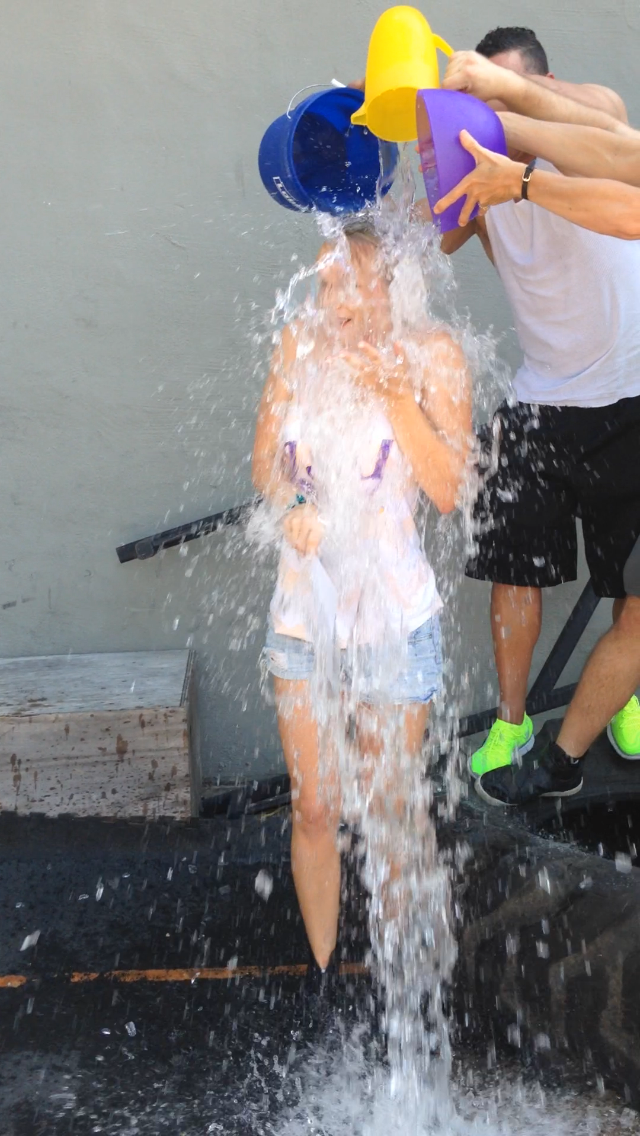
Do you remember the ice bucket challenge? I was lucky enough to be able to jump right in since I was volunteering with the ALS Association. It did great things for advocacy and awareness for ALS!

Body Goals

Relating specifically to body goals I want you to really think about what you want. Without inhibition, without guilt, without shame. You own your body. You get to choose your goals. Nobody else. I’ve had several clients females who were very hesitant to share their goals with me. I knew there were things left unspoken so after some gentle but persistent prodding they shared with me that they felt it was unfeminist to have vain body goals.

I think it’s the opposite. A very liberated individual is entitled to feel great in her own skin. You are the only person in your own skin. You have to live in your body all day. If you don’t like how your clothes fit, YOU wear the discomfort all day. Don’t you deserve better? You have to be uncomfortable walking upstairs if you’re out of shape. You have to look in the mirror and feel good or bad about yourself. You own your body and you have every right to decide how you look how you feel and what you want. Feminist or not, you’ll have the right to set your own goals without consulting others. 


Photo by Matthew DeFeo, during a period of time where I took great care of myself. http://www.matthewdefeophotography.com/

Photo by Matthew DeFeo, during a period of time where I took great care of myself. 

http://www.matthewdefeophotography.com/

And you deserve to feel good in your skin. You own your body.

If you are on a restrictive diet, you’re the one who feels hungry all day, and if you have an eating disorder you’re the one who bears the burden all the time. You owe it to yourself to take care of your health. Your body is an outward manifestation of your health. Who cares what other people want you to look like? You decide for yourself what you want.


Tell Me Your Goals

I am fascinated by the decisions people make. What do you want? What are you working toward? How can I help you get there? Let me know! Email me now. kathryn@kathrynalexander.com


Gabrielle d'Estrées et une de ses soeurs, which hangs in the Louvre.  Gabrielle pinches her sister's nipple, meaning her sister is pregnant. This is both funny and heartwarming at once, and I would never have seen it if I had not traveled.

Gabrielle d’Estrées et une de ses soeurs, which hangs in the Louvre.  Gabrielle pinches her sister’s nipple, meaning her sister is pregnant. This is both funny and heartwarming at once, and I would never have seen it if I had not traveled.


About the author

Kathryn Alexander is a strength coach and personal trainer in Austin, Texas. She loves hiking, college football, and the feel of a perfectly knurled barbell. Read more about Kathryn here.

Filed Under: Attitude & Mindset Tagged With: how to, start here, where to start

What’s So Special About the New Year?

January 2, 2016 by Kathryn Alexander

It’s a Friday. Fridays are pretty fun even when they aren’t January 1, but there are 52 Fridays in a year. What’s different about this one? 

Why is it filled with hope and unbridled optimism and the promise of #bigthingstocome?

It’s a Friday. 

It’s different though. It’s not like any other Friday. It’s the first day of a new year! It’s different and it’s special just for that. 

It’s the first day called 2016, it’s a clean slate, a blanket of fresh snow. And sometimes that in itself is the last little bit of motivation we need to start a new habit. 

New article: what I think of fitness New Year resolutions in 2024.

What are your New Year’s Resolutions?

Take a minute and think of them right now. 

I’m going to guess:

  • lose weight
  • exercise more
  • be a better husband or wife
  • spend more quality time with your kids
  • enjoy life more fully
  • save more money and pay down debt
  • get organized

Are those new thoughts? Did those goals just come to you this morning? No! Absolutely not! They are things you’ve wanted many times before. How many times have you looked at that piece of cake at the office party and thought, “I shouldn’t eat this.” 

How many times have you tucked your kids in bed only to realize that the day was another exhausting blur of carpools, practices, and homework. You’ve wished you had put away your phone, your kids’ homework, and spent more quality time with them. 

You’ve wished you actually committed to that workout. You wish you actually used your gym key tag.

Why didn’t you do that already? Well, many reasons, and they are all okay. You are human. You are busy, you are obligated to people and tasks, but you have the best of intentions. 

Forgiveness

Consider the act of forgiveness. It is an immensely kind act to do for yourself, when you can acknowledge and release others’ transgressions. It doesn’t require any specific formality or documentation. No attorneys, witnesses or notaries. It is simply an shift in your mindset. 

The new year presents us a similar opportunity. It gives us an occasion to put away the old guilt and failures, the missed workouts, the regrets for time lost. It gives us an occasion to start anew, making healthier, kinder choices that will truly fulfill us. 

So take this opportunity to make resolutions. Everybody else is! Gyms are bustling. Vegetables are flying off the grocery shelves. You are practically globally supported! Make your resolutions fun, do-able, and specifically beneficial to you. Sounds silly, but doesn’t “lose 11 pounds of fat” sounds better than “lose weight”? “Go to the gym 3 times a week” will guide you better than “exercise more”. 

The key to resolutions is to harness the energy of the new year, but remember that these goals are set up to become new lifelong habits which aren’t attached to any particular calendar date.

Here are some suggestions for resolutions in case you haven’t come up with any. Don’t pick all of these, but choose and adapt 1 or 2 if they will help you.

  • Drink 64 ounce of water every day.
  • Prepare a healthy breakfast every day.
  • Go for an exercise walk or jog 3 times a week.
  • Write in a gratitude journal 3 times a week.
  • Set your alarm, then put your phone on Do Not Disturb by 7:00 pm every night. (This is my favorite! Love you all, but I need my beauty sleep!)

Here’s to a Brilliant 2016!

One more thing: email me and tell me your resolutions! Let me know how they progress. I want to know if you have success with them, if you modify them, if you can positively influence your family and friends through them. 

kathryn@kathrynalexander.com

Let me know!

Bring it, 2016. 


About the author

Kathryn Alexander is a strength coach and personal trainer in Austin, Texas. She loves hiking, college football, and the feel of a perfectly knurled barbell. Read more about Kathryn here.

Filed Under: Misc. Tagged With: New Years Resolutions

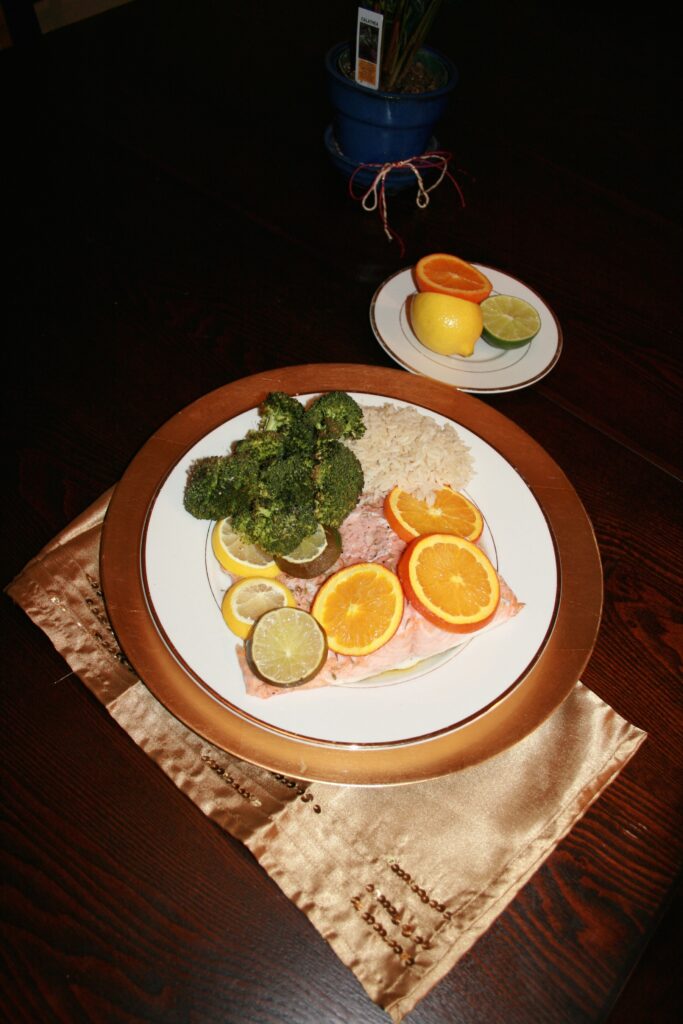
Citrus Salmon & Broccoli on Rice

September 22, 2015 by Kathryn Alexander

Serves 2-3

This salmon and broccoli recipe requires a little bit of time – about half an hour- but it is high in protein, healthy, and deeelicious! Absolutely worth it! By being strategic about the food prep, you can time the salmon, broccoli, and rice to be hot and ready to eat about the same time.

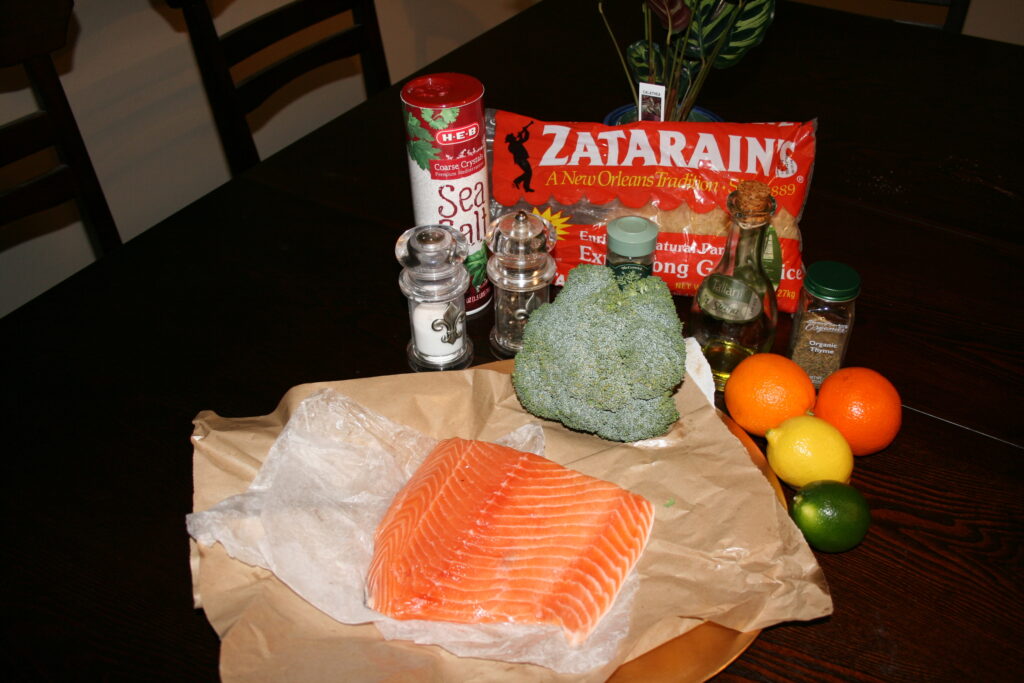
citrus salmon and broccoli recipe

Ingredients

  • fresh salmon, 16 ounces 
  • 1 head of broccoli
  • Zatarains rice
  • 1 orange
  • 1 lime
  • 1 lemon
  • olive oil
  • salt
  • thyme
  • rosemary
  • salt and pepper
  • aluminum foil or high temperature parchment paper
  • Parmesan cheese optional

First, obviously, wash your hands. Repeat this a million times throughout the cooking process.

Then, preheat oven to 350. Gather all your ingredients on the counter so they are ready and easy to grab.

Line 2 pans with parchment paper for easy clean up, then layer with a thin spread of olive oil.

Broccoli

Wash head of broccoli, then shake and blot dry with a clean dish towel. The drier the better so the olive oil can coat the broccoli. On a clean cutting board, chop into bite size little broccoli trees, and evenly coat about an ounce of olive oil on all the pieces. Line out the little trees on one of the pans, with as much surface area as possible. A bunched up pile of broccoli won’t brown as well or taste as good.

Sprinkle with sea salt and Parmesan cheese if you’d like. Go ahead and put the broccoli in the oven, and set a timer for 15 minutes.

Related: want more veggie recipes?

Rice

Now measure out your rice and water in separate measuring cups. The package will have instructions, but you generally boil twice the volume of water as rice. Begin the water boiling in a covered pot. If you are needing to have fewer carbs for some reason, have less rice. I usually make more so I can have leftovers.

Citrus

Slice half of the orange into thin slices, and save the other half. Repeat with the lemon and lime, keeping the uncut halves on a little plate.

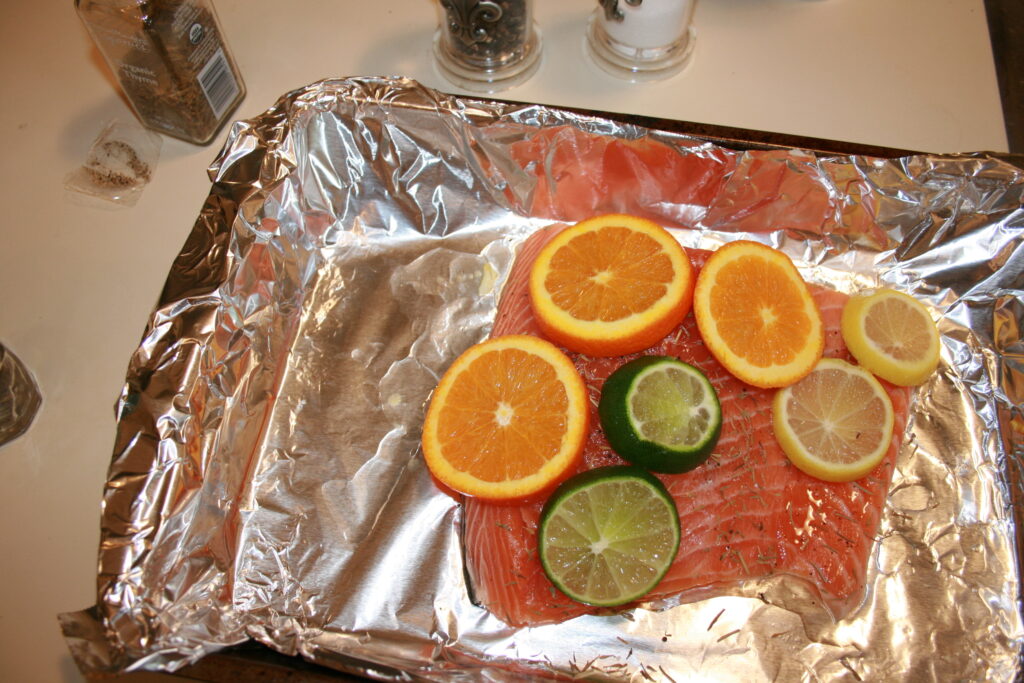
citrus salmon and broccoli prep

Salmon

Place the salmon skin side down on the other pan. Drizzle about half an ounce of olive oil on the salmon, then sprinkle with rosemary, thyme, and salt and pepper. Finally, place the citrus slices in a pretty pattern on the salmon.

Put the salmon in the oven and check on the broccoli. The broccoli should need more time, so you can reset the timer for about 10 minutes, at which point both the broccoli and salmon should be near ready.

Your water should also be boiling at this point, so you can add the dry rice to the water. It’ll quit boiling with the addition of the rice, but will heat up again.

This leaves you with a couple minutes until the food is ready, if you have timed it all right. Don’t go too far from the oven because you’ll want to keep your eye on the rice. If you are kid- or otherwise responsibility-free during this break, it’s a good time to put the spices and leftover ingredients back up.

Salmon should be ready when it flakes easily and is a bit opaque in color. This ended up taking 12 minutes in my oven, so be ready to check it, poke it, and add a couple of minutes.

When the rice, broccoli, and salmon are done, arrange them in a pretty set up on your best dishes. No sense in holding back on the good stuff. Lay the salmon down first, and arrange the rice and broccoli on the side.

Squeeze the fresh lemon and lime halves on the salmon before serving.

Nutrition Facts

Half of this meal is approximately:

  • Protein: 51 g 
  • Fat: 10 g
  • Carbs: 53 g
  • Calories: 506
citrus salmon and broccoli done

Leftovers? Pack it up over ice and have it for lunch tomorrow!

Make this and let me know how it turns out! Do you have other salmon and broccoli recipes? I love to hear how people make recipes their own. Let me know!

If you are still looking for new recipes, check out more of my favorites here!

Need a New Training Program?

All of this food writing is making me hungry, and ready to train! Do you need a new training program? Jump into one of my most popular classes or programs. See them all here at Train Heroic!


About the author

Kathryn Alexander is a strength coach and personal trainer in Austin, Texas. She loves hiking, college football, and the feel of a perfectly knurled barbell. Read more about Kathryn here.

Filed Under: Nutrition & diet, Recipes Tagged With: recipes

Get Out of the Summer Slump

July 15, 2015 by Kathryn Alexander

We are deep into summer as I’m writing this. You should be standing in your “after” picture right now. Are you? Remember in January when you looked forward to summer, with ideas of the smokin’ hot body you’d be bringing to boat parties and beach getaways? OH yes, you were gonna kill it in the gym this year. 

Or maybe you’re on that vacation you wanted to get in shape for. The big trip you bought comfortable shoes for, in anticipation of covering miles of meandering European countryside, or walking blocks in the big city. Perhaps your active vacation was carrying golf clubs on your dream course. I hope some of you got to do that. 


summerbeach.jpg

Ahh, summer. A season of long, lazy days that allow us to enjoy a slower pace of life and refill our soul. 

Bahahaha. Don’t worry, you’re in good company if that doesn’t sound like your summer either.

We Are All Busy

One of the biggest perks of my job helping people in the gym is that I interact with a large number of the same people on a very regular basis, and I get to see real trends as they happen.

It is fascinating. We are more alike and in tune with each other than we think. When the seasons change and the weather is beautiful, nearly everyone bounds in the gym with energy and optimism. 

Likewise, I see moments when the collective sentiment is a very unenthusiastic “blah.” This was the case recently in Austin, and could have been caused by low grade, often undetectable mold allergies, according to my acupuncturist. 

This is why I can say with certainly that if you feel like your summer has gotten away from you, you are not alone. 

Summer = Work + Vacation + Kids (even if they are not yours)

Summer is still my favorite time of year (except football season), but it is hard work planning summers. No kidding. If you’re going on vacation, you’ve got to plan with your work and family schedules, book hotels and rental cars and fun things to do. This gets harder, people tell me, when you are packing for kids too. 

This isn’t even the regular summer change of plans if you have kids. You’ve also got to find childcare and summer camps. 


So many red dots.

So many red dots.

Even if you don’t have kids and aren’t taking a vacation, your schedule will likely be changed by others who do. If your profession involves regular appointments with people, you already know it’s crazy with reschedules and cancellations. If you are part of a team at work, you might be taking on extra work for the people out of office. 

And, if you’re among the lucky ones on a long vacation, you’ve surely got your work cut out for you when you come back in the form of emails and calls to return. It’s sometimes more work to just get back into work.

And so, it is easy to see why our fitness routines fall by the wayside in summer. We are half a year removed from New Year’s Resolutions, where the abundant optimism of others propels you along too. We are past that last pre-summer push, which happens in late March and early April. 

There are a couple variations of this one: 

  1. “Ahh, Spring Break is coming! I have GOT to get my booty in gear!”

  2. “Ahh, Spring Break is coming! Hahaha, nevermind. Just kidding. I’m too old for Spring Break. I’ve got a few more weeks before I’ve got to get in shape for summer.”

And then summer comes. And now, summer is here and we’ve got tan lines to show it. 

But you still have goals for your body even when life is busy. You still want your abs to be a little tighter, and to feel more energetic. So what is a busy person to do? 

Simple. Do something now. Anything, but do it now. Do not wait for “the right time” or til life gets a little less busy. It’ll never happen, because as soon as it does, something else gets thrown in your lap. 

Healthy, successful people do not wait for the right time. 

Your Homework

Pick one thing and commit to doing that one thing. What is that one thing? I don’t know. I’ll give you a list of ideas, but I recommend you take a mental inventory of your strengths. You know yourself and your habits better than anyone else. 

Exercise is an extremely nuanced topic we could study forever. There are many-years-long graduate programs of study in exercise, and hundreds of thousands of research studies on exercise. The big things, however, are well understood, and you know which of those you are good at, such as cooking a great healthy chicken salad, or committing to morning yoga classes.

Guidelines

Your activity must be something: 

  • You can do everyday, or with some regularity

  • You are 95% sure you can maintain

See what we are doing here? We are setting you up to be successful. We are setting you up to win.

The Rules

  • Commit to doing this thing for one month. You can continue on if you like, but it’s perfectly fine to quit at one month.

  • No guilt! No guilt if you miss a day. Just prepare better so you can do it tomorrow.

Give this some thought, then if you choose to commit, give it a real, honest go. It doesn’t matter how small or insignificant the action is. You are making a commitment, making positive change, and establishing a habit.

Why Just One Thing?

People do better at change where there is only one change to focus on. After your month, you can pick a different one or add another. Remember, the smallest healthy change you make is better for you the the best comprehensive health overhaul that you abandon. Reason #2 for just one thing, I always wanted to make a cheesy title like that. “Do this one weird trick!!” Haha!

Examples:

  • Stretch for 15 minutes every evening

  • Attend yoga or Pilates class 3 times a week

  • Floss your teeth every day

  • Drink 64 ounces of water every day

  • Weight train 3 times per week

  • Get 8 hours of sleep every day

  • Cook a healthy breakfast every morning

  • Have 2 boiled eggs every morning for the 12 extra grams of protein

  • Meditate for 15 minutes every day

  • Do a challenging sudoku or crossword puzzle every day

  • Express gratitude every day

  • Give a genuine compliment every day

  • Walk around your block every morning

  • Consume approximately 25/38 grams of fiber per day (female/male, respectively)

One final note. Email me if you need accountability! Email me to tell me your habit! I would love to update this list with healthy habits I haven’t mentioned, and I’m fantastic at nagging, I mean, checking in to see how you are sticking to your plan.

I’m off to meditate, my goal for the next month!


About the author

Kathryn Alexander is a strength coach and personal trainer in Austin, Texas. She loves hiking, college football, and the feel of a perfectly knurled barbell. Read more about Kathryn here.

Filed Under: Training Tagged With: start here, training, where to start

So Many Books, So Little Time

May 1, 2015 by Kathryn Alexander

I’ll confess to you all that I feel slammed by my to-do list right now. Buried under it. I have programs to write, people to call, emails to send, friends and family on my mind, cleaning, and oh my goodness, laundry always. 

I am by no means complaining. I am self-employed so I have the ability to structure my work hours, which is a huge blessing. There are no imposed quotas to meet, or gimmicky products to pitch. My clients are wonderful, my own training is paying off in spades, and I feel freer than I have in years. 

But there’s still a lot to be done. Number one contributor to my overwhelmed feeling?

Reading.

Yes, reading. 

There will never be enough hours in life to read everything I want to read. There are thousands of journals, millions of articles, textbooks, blogs, memoirs. 


I'm gonna need to read all these. "Yale University's Beinecke Rare Book and Manuscript Library" by Lauren Manning - Flickr: Yale University's Beinecke Rare Book and Manuscript Library. Licensed under CC BY 2.0 via Wikimedia Commons. 

I’m gonna need to read all these. “Yale University’s Beinecke Rare Book and Manuscript Library” by Lauren Manning – Flickr: Yale University’s Beinecke Rare Book and Manuscript Library. Licensed under CC BY 2.0 via Wikimedia Commons. 

I even like fiction, and I consider it a treat to get a new Clive Cussler book. I usually finish them in 2 sittings, which is why I had to limit my fun-reading in grad school. Apparently “all-nighter” is supposed to refer to studying for class, not staying up reading for fun. Pshh.

Where do I even begin? Maybe “begin” isn’t the right word. Continue? But for every new book, journal, or article I read, I have 100 new questions to research.

Every new person whose insights I appreciate has mentors he or she learned from, and favorite books. Those go on my to-read list too. I didn’t even have space to mention all the people I enjoyed learning from at the recent TSAC Annual Training. When they mentioned books they’ve read, I wrote them down. Authors they follow, I noted too. If you are interested in learning who made an impression on me, click here. 


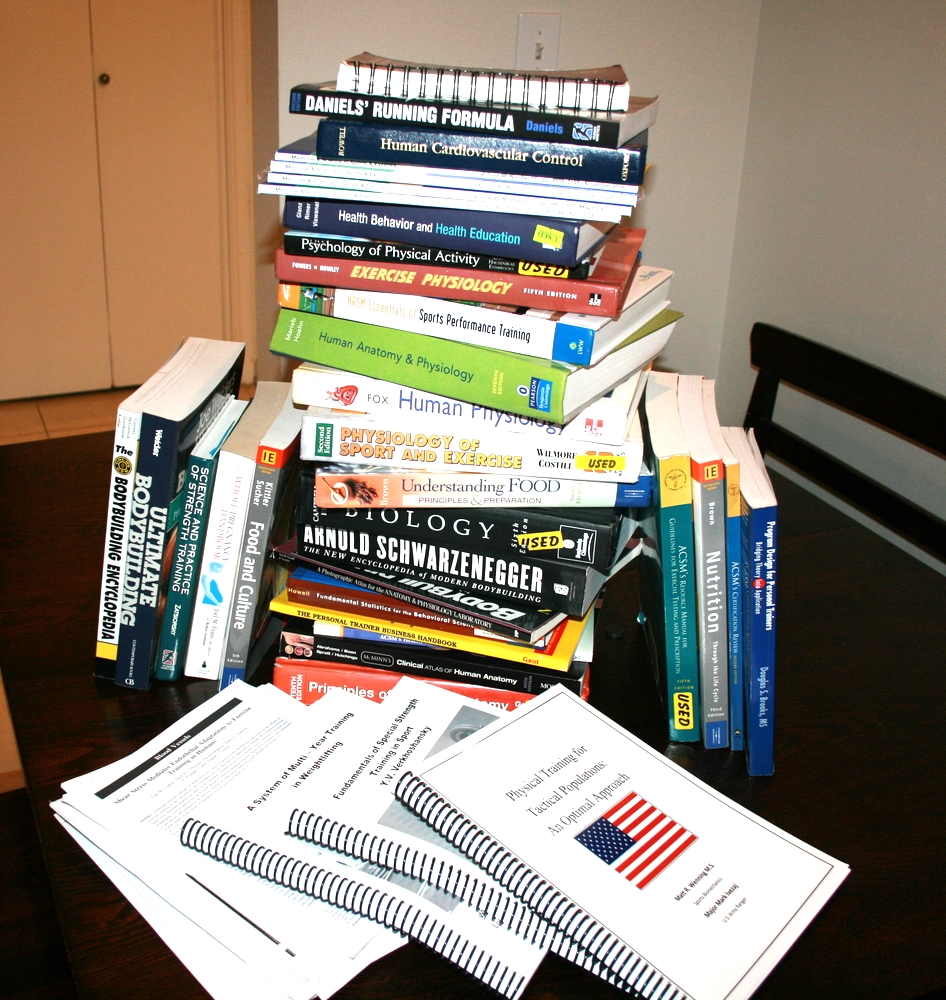
These books are from undergrad, grad school, fun books, and texts from when I was a teaching assistant for nutrition and anatomy classes. Oh yes, also full journals,  journal articles, and study guides. Whew.

These books are from undergrad, grad school, fun books, and texts from when I was a teaching assistant for nutrition and anatomy classes. Oh yes, also full journals,  journal articles, and study guides. Whew.

Look at my book collection. Just look at it. This is about a tenth of it, and I’ve got more coming in the mail. And some on my iPad and saved on my computer. Every article I was assigned to read in grad school is still in my possession, because they all had a purpose. They were all important.

These reading habits are mine for multiple reasons. First, I owe it to my clients to be educated. It’s what I went to school for, and what they pay me for. The hours I spend learning and planning benefit them most so I never neglect it.

Secondly, I just love it! I love reading science. I love the methodical nature of studies, and the precise write ups. I love how nearly everything we need to know is out there. It’s basically getting a cheat sheet for how to learn more, how to do better, how to be healthier. Reading journal articles takes a certain amount of practice, but it’s available to you and me.

Sometimes I’m even tempted to skip my workouts just to have more time to read. 

Then I read about another benefit of exercise, and it never surprises me. The extent to which exercise benefits us, we cannot even understand.

So in the end I usually do not skip my workouts because science gives me my answer again. 

Unexpected Benefits of Exercise

Exercise benefits our productivity in many ways, two of which are physically and cognitively.

Physically, exercise can make your day to day tasks easier. This means you have more time to do your activities of daily living, and they are easier on you. They will take less energy, less fortitude, and allow you to do more with all the extra effort you save.

Likewise, exercise can reframe your mood, both in the short and long term. It can increase productivity, creativity, cognitive performance, and stave off decline.

Physical Benefits of Exercise on Productivity

If you google “physical activity and cognition”, 2,140,000 results show up. Incredible! This is pretty well known so let’s consider the other long term benefit, increases in work capacity.


"Child Head" by Charly W. Karl at Flickr. Licensed under CC BY 2.0.

“Child Head” by Charly W. Karl at Flickr. Licensed under CC BY 2.0.

Exercise can make your every day better by improving your physical capacity. If your body is trained to do more, then your activities of daily living with take less out of you. You’ll have more strength and energy left to do the things you want to do.

Consider how many steps you take per day. If you take 8,000 steps per day, then a long trip to the grocery store might take a large amount of those. In this case, some unplanned event might take a disproportional amount of energy.

This happens frequently in real life. Maybe a car breaks down and you have to walk half a mile, or a shopping trip with friends turns into more walking than you expected. Sometimes you meet up with friends downtown for dinner, and a change of restaurant plans necessitates an urban hike. 

Let’s say you take increase your steps from about 8,000 to 12,000 steps a day. Then, that walk around the mall, or finding the car after a football game, won’t be such a large percentage of your activity.

It is better to be active and ready for even the things you don’t plan for.


stomp.gif

Put this in strength terms. Some people think they don’t need to be stronger or don’t see how increased strength will benefit their daily lives, but being stronger can benefit you. 

This is obvious for those with physically demanding jobs. For example, military, police, fire and medical personnel always have to be able to move people and things. If these people can only deadlift 200 pounds, they might not be adequately prepared for the job.


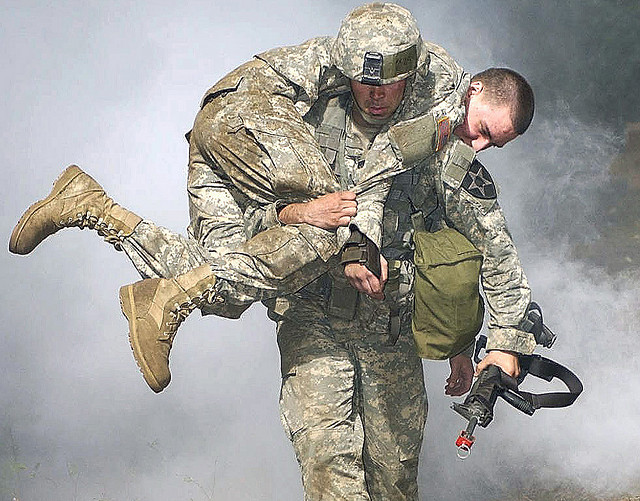
Capt. Charles Moore, commander, Company C, 202nd Brigade Support Battalion, 4th Brigade, 2nd Infantry Division, performs the fireman's carry of a "casualty" during the nuclear, biological and chemical portion of the Expert Field Medical Badge traini…

Capt. Charles Moore, commander, Company C, 202nd Brigade Support Battalion, 4th Brigade, 2nd Infantry Division, performs the fireman’s carry of a “casualty” during the nuclear, biological and chemical portion of the Expert Field Medical Badge training and testing here Sept. 14. Photo by Spc. Leah R. Burton. This photo appeared on www.army.mil. By The U.S. Army At Flickr. Licensed under CC BY 2.0.

Two hundred pounds may sound like a lot. Consider, though, that many people in the general population weigh 200 pounds. If that tactical athlete must move a 160 pound teammate who is carrying 40 pounds of gear, or a 200 pound person in a fire, he is using 100% of his carrying capacity. That is too much – he or she will fatigue soon, if he can even pick up the person. That doesn’t even include any gear he or she is personally carrying.

Now, if that person can deadlift 350 pounds, which should be doable for most males who train strength, then 200 pounds is only 57% of his capacity. In this case, he should be able to move the 200 pound person much easier than if it were almost all his strength allowed.  

Many people have elaborated more on this idea, and I certainly don’t claim it as an original thought. It needs to be said many more times so people understand how important strength is.

What if you aren’t a first responder; does this apply to you? Absolutely! Don’t you carry groceries, luggage or children?


Everybody does this. But I think Mariusz Pudzianowski is probably the last person in the world who struggles with the weight of his groceries.

Everybody does this. But I think Mariusz Pudzianowski is probably the last person in the world who struggles with the weight of his groceries.

If your overall work capacity and maximal strength levels are higher, then these things will not feel like a chore. They will be submaximal work, and will feel much easier. You’ll go through all your activities of daily living and you’ll be less tired at the end of the day because your body’s inherent ability is greater. This is the gift exercise gives you.

Cognitive Benefits of Exercise on Productivity

As mentioned early, it is well documented that exercise benefits mood and can help alleviate depression and anxiety, to differing degrees. What is fascinating is that exercise has also been shown to increase creativity [1].

A 1997 study published in the British Journal of Sports Medicine showed that participants increased their post-exercise creativity independent of mood changes.

Participants in the study were part of a group exercise class, and on a separate day, watched an emotionally “neutral” video. They filled out surveys about their mood before and after both the exercise and video to track changes. The surveys were the State-Trait Anxiety Inventory, Center for Epidemiological Studies Depression Scale, Affect Balance Scale, and Cook-Medley Hostility Scale.

All participants watched the same video, but half did a more high intensity aerobic exercise intervention, and half did aerobic dance. Both exercise sessions and the video were 25 minutes long. 

After the exercise sessions, the participants completed a creativity test, Torrance’s Unusual Uses Test. This asks participants to list as many uses as they could think of for a cardboard box. Another test variation asked the same question, but for tin cans. The number of answers, variety of answers, and originality of answers were all considered in scoring the creativity of the responses.

Not surprisingly, positive mood increased and negative mood decreased after both of the exercise interventions. The opposite was true of the mood changes after watching the video. Positive mood decreased and negative mood increased. 

As compared to the post-video creativity, the post-exercise creative score improved. Participants named more uses for the tin can/cardboard box than after the video condition. 

The creativity changes were modest but statistically significant. What I find most fascinating is that this creativity increase happened independent of mood changes, suggesting that the exercise is what stimulated the change, not the mood changing the exercise, which changed the creativity level.

No, this study suggest that the physical movement itself is what boosted creativity. Perhaps there is something to pacing the floor, taking a walk, getting your blood flowing to commence the creative process.


"Two dancers" by Barry Goyette from San Luis Obispo, USA. Licensed under CC BY 2.0 via Wikimedia Commons.  

“Two dancers” by Barry Goyette from San Luis Obispo, USA. Licensed under CC BY 2.0 via Wikimedia Commons.  

Maybe interpretive dance and ballet are more than just live, present tense storytelling. Perhaps these movements are actually means to create the story.

This is heartening for writers, inventors, and all kinds of creators. This study gives us a potential method for overcoming writers block, which is simply to get up and move. It is free, practically risk free, and has tremendous potential benefits. 

If nothing else, it gives me a place to start. I will go to the gym, move, sweat, and lift. When I come back, I’ll approach my to-do list with improved mood and energy. Maybe I’ll even find creative solutions to sticking points. 

Off I go.


References

1. Steinberg, H., Sykes, Elizabeth A., Moss, T., Lowery, S., LeBoutillier, N., Dewey, A. (1997) Exercise Enhances Creativity Independent of Mood. British Journal of Sports Medicine. 31:240-245.


About the author

Kathryn Alexander is a strength coach and personal trainer in Austin, Texas. She loves hiking, college football, and the feel of a perfectly knurled barbell. Read more about Kathryn here.

Filed Under: Research

The 6 Most Important Ways an Experienced Personal Trainer Can Help You

April 24, 2015 by Kathryn Alexander

Seems like personal trainers are a dime a dozen these days, doesn’t it? Is it a fad, just a passing fancy, to hire someone to tell you you’re doing a good job and count your reps out loud?

No actually, not at all! A trainer with a degree in exercise physiology, current certifications, and experience with many clients can help you in immeasurable ways. Just like the tax accountant you hire, and the doctor you consult, a professional trainer is a wealth of knowledge in his or her field. 

Consider this: are you getting results the way you are training now? Are you satisfied with your physique and performance? We are long past New Year’s Resolutions, and spring break even sneaked past us. If you aren’t where you want to be for the rest of summer, consider consulting with a trainer.

Given the plethora of exercise options, workout gadgets, and get-fit-now! marketing out there, a personal trainer’s guidance is invaluable.

Of course, you know the obvious benefits of having a trainer: they help you be consistent, they motivate, they encourage. The less obvious benefits of a professional personal trainer are far more important though. Read on for the 6 most important ways an experienced personal trainer can help you.

A Personal Trainer Can Save You Time

Time is the only commodity we cannot gain more of. You can save money, ration goods, stockpile supplies but you cannot change time. How many people do you know that go to the gym regularly, work hard, sweat, but never seem to change? Many people do this! Why is that?

progresschart.jpg

It is because they aren’t making a direct path between their present situation and their goals.

Why would you want to spend the time in the gym, the effort, the sweat, the time away from your family or other hobbies, if you aren’t making full use of it? Find a good trainer to help you establish the safest but fastest way to get the body and performance you want.

An Experienced Personal Trainer Has a Trained Eye for Movement

This is two-fold. First, your trainer will obviously have a different point of view. He or she can stand behind you, beside you, and see your joint angles, the bar path, and bar speed. Do you know exactly what your back is doing on your third deadlift rep? Most people don’t.

Do you know, objectively, how quickly the bar moved on that heavy set? Probably not. What you feel is extremely subjective, and isn’t always the best predictor of how to modify your next working set. This is why many people find videoing and replaying their lifts helpful.


squat1.jpg
squat1.jpg


squat2.jpg
squat2.jpg

I kid you not, this is exactly how my mind sees movement. Do you notice the angle of my back on the first squat? That green line? I want to maintain that as I squat. But, on my second squat, my hips shot up before my shoulders, changing the angle of that line. It is now illustrated in red. This video gave me pointers to work on, and I have improved tremendously in the months since.

A trainer will be even more beneficial than a video, because in addition to another visual angle, an experienced trainer will have a much fuller perspective. If you are not a personal trainer, it makes sense that you spend the vast majority of hours in your week becoming an expert in something else. A good trainer, on the other hand, is in the gym all those hours that you are not, becoming an expert on lifting and coaching.

In the 10 years that I have been a certified personal trainer, I have seen thousands and thousands of lifts. Many have been successful, many have been missed lifts. Others have been in the gray area between; a completed lift with ugly form, an easy PR, a grinder that was narrowly missed.

Because I have seen so many different lifters with a wide variety of experiences levels and technique, I can easily see the exhaustion near a maximal lift. I can see the body nearing a breaking point, or conversely, the body that can safely handle more, even if the lifter feels exhausted. Working out in a fatigued state is when it is most important to choose your next sets carefully, and a good trainer can be sure you don’t leave good work undone, or push unsafely.


A Personal Trainer Can Give You New Ideas and Breathe New Life Into Your Routine

Are you, like your gym acquaintances who seem to make no progress, spinning your wheels? There is a very fine line between a groove and a rut. You want to get into a groove. Changing workouts too frequently is not beneficial. Doing something different every week won’t let you master the exercises enough to earn results.

A well designed workout, which you take weeks to fine tune and perfect, will bring you the best results. Stay too long in that same exact workout, and it becomes a rut. The challenge is finding that well designed workout, committing to it for the right period of time, and knowing when to change.

Often, people know when it is time to change workouts. They feel bored and become uninterested in going through the same motions. Results taper off, and progress becomes rare. The issue is that while they are aware that they need a change, they might not know what to do next.

This is when a trainer’s input becomes valuable. A knowledgeable trainer will be able to introduce you to exercises which are the next step for your level of competence. These will be exercises that are specific to you and your goals, and not just busy work, or exercises that are just different for the sake of being different.


An Experienced Personal Trainer Can Help You See Through the BS

Fitness is a multi-billion dollar industry in the U.S. Check out America’s fitness related consumption in 2012.


Source: http://www.statista.com/statistics/242190/us-fitness-industry-revenue-by-sector/Source: http://www.statista.com/statistics/242190/us-fitness-industry-revenue-by-sector/

Clearly, Americans are interested in fitness, wellness, and aesthetics. However, not all of these things are genuinely good products, or even honest efforts at providing a quality product to the consumer.

Shiny fitness fads blow through Instagram and other social media outlets like wildfire; everybody jumps on the bandwagon with the “in” move or product. Weird abductions on the yes/no machine, anyone? #belfies? Shake weights, sauna suits, squeems, and waist trainers.

Ack! Google “worst fitness trends” for some laughs, but don’t actually try these things. Many can be dangerous, and if you unknowingly jump on these trends, you could cause more harm than just embarrassment at being seen in public with the worst footwear ever (ahem, Skechers toning shoes endorsed by fitness icon, Kim Kardashian).


SkechersKardashian.jpb

By the way, Skechers paid $40 million to consumers in a settlement because the shoes have caused injury and have no basis for the claim to improve fitness.

The Thighmaster does not spot reduce fat on the thighs, but it does contribute to a poor movement pattern which can cause knee pain and ACL injuries. Most people do not need to strengthen their adductors, but actually need the opposite. Knee valgus, which is collapse of the knees inward toward each other, is a common occurrence and is exacerbated when the adductors are stronger in proportion then the abductors. Squeezing the legs together with the Thighmaster reinforces this movement pattern.

Waist trainers compress internal organs and can damage ribs. Sauna suits can excessively dehydrate you. Both of these can even make you lose consciousness.

I digress. Rely on a professional personal trainer to help you find safe, effective exercises tailored toward your goals.


A Personal Trainer Can Solve Biomechanical Issues that are Unique to You

We are all the same, but we are all different. We all have the same muscular originations and insertions. The long head of my biceps originates on my supraglenoid tubercle, which is on the scapula. So does yours. But my scapula and yours are differently shaped, which is why some people have pain from heavy dips, and some don’t. And some people are more prone to impingement in the shoulder from upright rows than others.

How do you know how your bones are shaped, and what exercises to avoid? Without exploratory surgery, you probably don’t. Becoming adept at listening to your body can help you head off problems before they become severe. A competent personal trainer who understands anatomy can help you solve problems you don’t even know you have, saving you time and injury.

I, for example, am hyper curious, which is another way to spell “nosy”. Just kidding. But, I always wonder what works, what doesn’t. And, I ask! I ask people why they do the workouts they do, what their goals are, if their program has yielded results, and if they have had adverse effects like overuse injuries. I ask for tips that have helped their motivation, meal planning, and mindset. The collective knowledge and experience from the many individuals’ trial, error, and success is invaluable.


A Personal Trainer Can Help You Avoid Injury

Do you know what population is in danger from doing planks? Do you know simple tweaks to make dips less likely to cause joint pain?

Trainers can cause injuries that won’t manifest themselves for years down the road.

Most importantly, did you know there is no legal requirement, qualification or certification to be a personal trainer in the US? It is a completely unregulated industry with no barriers to entry. Your neighbor kid who dropped out of high school can be a personal trainer, and if he’s a good salesman, he might even collect money from people for his “services”.

Your esthetician who does your facials, hair cuts, and manicures require more certification for their services than any personal trainer out there. Scary, isn’t it?

To answer the above questions, high blood pressure is a contraindication for isometric exercises like planks. A better and safer option is to do pushups while breathing regularly. Max effort lifts become isometric when the lifter fails, so knowing when/if to max is a critical decision too. Retracting the shoulders minimizes stress on the front of the shoulder, so dips are less likely to cause pain or injury.


In some populations, pushups are a safer option than planks for core work.

In some populations, pushups are a safer option than planks for core work.

I do hope that all of you reading are happy with your present situation, but working toward your goals too. I love to see people succeed! If I can help you do that, or if you have questions, please contact me!

kalexandertraining@gmail.com


About the author

Kathryn Alexander is a strength coach and personal trainer in Austin, Texas. She loves hiking, college football, and the feel of a perfectly knurled barbell. Read more about Kathryn here.

Filed Under: Personal Training

The Ultimate Quick and Easy, Protein Packed Southern Breakfast Recipe

April 20, 2015 by Kathryn Alexander

Good morning, all!

What’s the best part of waking up? Folgers in your cup? Community Coffee, in my case, but also BREAKFAST! It would be hard to pick a favorite meal, but breakfast might top the chart.

Breakfast literally breaks the fast of sleeping, and prepares us for the day. I am not dogmatic enough to believe that every single of the 7 billion people in the world must have breakfast, or else he or she will become obese, infertible, diabetic, and cranky.

As a lifter, however, you must realize you are not like the general population. You need more protein than if you didn’t lift, you will do well to drink more water, and you will perform better if you eat with the intent to get effective workouts.

Why Breakfast is Important

Now, food is not only fuel. That term kind of bothers me, because we aren’t little untasting robots who refuel our body with an unmeaningful blend of macronutrients poured into our fuel tank. As you know, I’m southern. Meals are important to me!

That said, food can make or break a workout.

Many prep coaches advise fasted cardio in the morning. Competition prep is a whole different animal, and that’s a whole ‘nother blog post! But even competitors will tell you, you will have a better workout when you are not in a fasted state, so fuel your workouts properly to prioritize your workouts. If you are purposefully eating in a caloric deficit to lose weight, structure your meals through the rest of the day to reach your goal number of calories.

It is of utmost importance to eat so that you can get a good, hard workout! Eat at the right time so you can get the best workout for the best adaptation (i.e., results!).

Timing of Breakfast in Relation to Training

If you workout immediately upon waking up, you will not have  time for multiple meals before. In that case, have some carbs and protein even if it is a shake or smoothie, and even if it is a smaller amount.

If you are a mid-day exercise, you will have a better workout with a meal or two in your belly before you lift, so it will help you to begin with breakfast.

So here we go: here is the ultimate, easy to make, protein packed southern breakfast. I eat this every morning. The only exception is that I don’t always add avocado, either because I’m out and need to make a grocery run, or I choose to get all this meal’s fats from egg yolk.

The Ultimate Breakfast

Prep time: 10 minutes, if you’re good like me. Maybe 15 til it becomes habit.

Macros: Protein 31 g, fat 8 g, carbs 30 g. 316 calories total.


breakfastingredients.jpg

Ingredients:

  • 3 large eggs
  • 2 slices turkey bacon
  • 2 oz mushrooms (about 2 medium)
  • 2 oz tomatoes (about 6 cherry tomatoes)
  • avocado
  • Tony Chachere’s seasoning
  • 1 packet instant grits
  • Pam spray or olive oil
  • salt & pepper

Gather all your ingredients, because I mean it when I say this recipe is easy and fast. Spread a small amount of olive oil on the pan, or spray Pam on the pan over the sink, so you don’t also coat your entire stove top. Place the turkey bacon strips in the pan, then wash the mushrooms and tomatoes.

Dry the mushrooms and tomatoes off, and slice them. The mushrooms saute better when they are sliced into thin strips, and the tomatoes are best halved. Add the mushrooms and tomatoes to the pan. Flip the bacon.

Boil a cup of water. If you do this on the stovetop, you might want to start before you even prepare the bacon. I use the microwave and it only takes 1-2 minutes.

Continue to scramble the eggs until they are done.

You’ll love this part if you’re from the south, or if you’ve discovered grits. Add the scrambled eggs and vegetables to the grits. Mmm delicious.

Add 2 or 3 slices avocado and salt to taste.

Here is your finished product of the ultimate, quick and easy, southern protein packed breakfast. Bon appetit!

ultimate-breakfast.jpg
The finished ultimate breakfast: eggs, bacon and veggies.

About the author

Kathryn Alexander is a strength coach and personal trainer in Austin, Texas. She loves hiking, college football, and the feel of a perfectly knurled barbell. Read more about Kathryn here.

Filed Under: Nutrition & diet, Recipes Tagged With: recipes

Tactical Strength & Conditioning Annual Training

April 15, 2015 by Kathryn Alexander

Last week I attended the National Strength and Conditioning Association’s Tactical Strength and Conditioning Annual Training, a meeting of leaders in the police, fire and military community. Recognizing the commonalities in their units, programs, and experience allows for faster learning and implementation of effective programs. 


NSCA_TSAC.jpg

In short, when our police, fire, and military departments are fitter, we are all safer.

So, we meet, listen, learn and talk a lot!

You might wonder why, as a personal trainer in Austin, Texas, I chose to attend the TSAC Annual Training.

Continuing education is a huge component for trainer’s integrity. The chance to meet and learn from other strength and conditioning coaches is hugely beneficial to me.  


"Members of the 37th Training Wing's Emergency Services Team at Lackland AFB" by U.S. Air Force. Photo by Robbin Cresswell.

“Members of the 37th Training Wing’s Emergency Services Team at Lackland AFB” by U.S. Air Force. Photo by Robbin Cresswell.

But, I could have attended a general fitness conference or a personal trainer specific conference. Why a tactical conference? Last year, I was employed as an exercise physiologist with the Austin Fire Department. We attended the TSAC Conference, and I was taken with the people I met and the experiences they shared.

And how does this apply to my clients? Let’s back up and minute and consider the goals of a large scale military training program. The individual soldier will be most effective when he or she is strong, conditioned, agile, and healthy. Healthy includes recovery, diet, and sleep. 

Similarly, the optimal firefighter will be able to meet unexpected physical demands, understand how to recovery properly, and generally be fit. Police officers also must be quick with their feet and their mind, and conditioned to run and wrestle if necessary. 


Firefighters during live fire drills.  Photo available at pixabay.com under CC BY 1.0.

Firefighters during live fire drills.  Photo available at pixabay.com under CC BY 1.0.

Add in the extra stresses these populations face. They do not have the luxury of knowing what specific abilities they will need, or what exact situations they will encounter. Nutrition will certainly not be planned and perfect; hello, fleeing suspect or box alarm at dinnertime.

They don’t always have the best training circumstances either. Deployments don’t necessarily lend themselves to regular and consistent training in perfectly equipped gyms.

Certainly, the rest of us can learn from these tactical athletes. If they are able to get their training in with an uncertain schedule, potentially limited equipment, and limited meal options, the rest of us civilians can do it too.

There are 6 gyms or personal training studios on the 1.2 mile “commute” from my home to my second home. That is, Hyde Park Gym for those of you who don’t know me. Granted, I live in the fitness crazed town of Austin, but the point remains: we who are lucky enough to live in a major city have every opportunity to be fit and well surrounding us.


Photo by Expert Infantry available at flickr.com under CC BY 2.0.

Photo by Expert Infantry available at flickr.com under CC BY 2.0.

Several of the talks I heard were about mental toughness, a crucial skill to develop, with wide application from soldiers to civilians. Matt Wenning, one of the strongest powerlifters of today, taught my favorite hands-on session, which was the sumo deadlift, a major foundational lift for strength. 

I got to listen to Eric Cressey, Dan John and Dr. William Kraemer, none of whom need an introduction to those familiar with the training community. 

Many more names that you would know shared their experience with us, and some you would not. All in all, it was a week of great learning, ideas, and doing. I’ll leave you with one last thought.  Mark Taysom, who is a strength and conditioning coach responsible for thousands of soldier’s training, said in his opening remarks, “A lot of people are great. They just don’t know they’re great.”

My job is to bring out the greatness in people.  Some of them are performance athletes or public servants. Others are civilians like me. If I can learn from those coaching individuals whose hurdles are higher and responsibilities are great, I can help my all my clients better.


About the author

Kathryn Alexander is a strength coach and personal trainer in Austin, Texas. She loves hiking, college football, and the feel of a perfectly knurled barbell. Read more about Kathryn here.


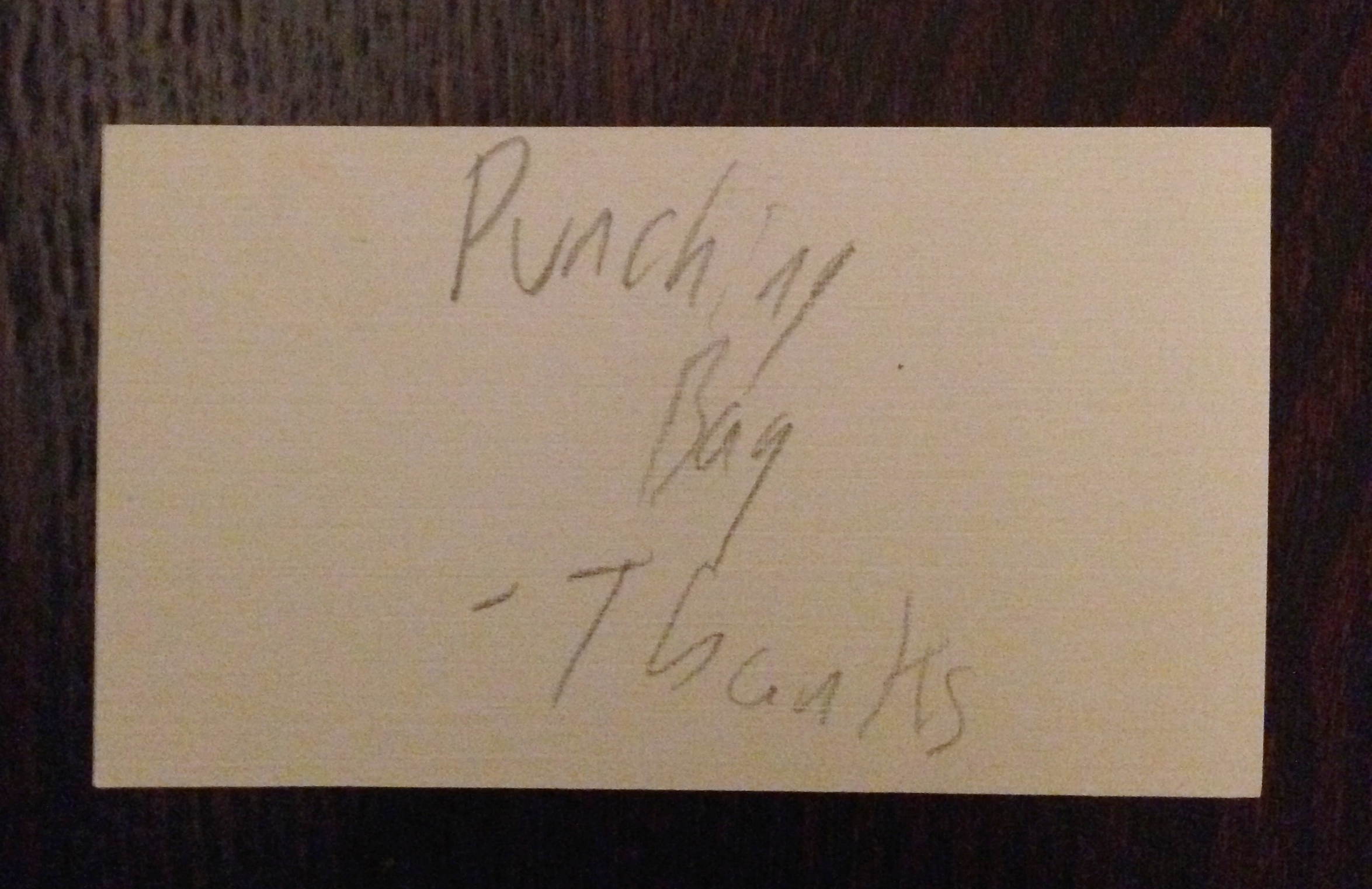
  • 5 steps to keep fitness progress
    5 Steps To Keep Progressing On Your Fitness Right Now
  • Thanksgiving friends at Big Tex Gym
    Thanksgiving Joy + Fitness Momentum (Yes, Both!)
  • Austin personal trainer Kathryn Alexander shares her clients' secret for successful holidays.
    My Clients’ Secret for Successful Holidays
  • Gifts for powerlifters: wrist wraps
    The Best Gifts for Powerlifters and What 1 Gift to Avoid
  • More Semi-Private Personal Training Options!
  • Quick Note: Exercise is Quality of Life

Filed Under: Training Tagged With: training

Cold Water Immersion Therapy: Placebo or the Real Deal?

March 21, 2015 by Kathryn Alexander

Everybody who has a body should exercise. That much is clear. The benefits of exercise and physical activity have been proven over and over. Practically every area of life is improved with exercise. Even people who don’t participate in structured exercise often do leisure activities or manual labor.

Many people take such great care to find the best exercise program, their favorite gym, the right type of exercise. They count the number of sets and reps they do, how fast they run, how far, the number yoga classes they attend. But do you know that just as important, perhaps even more important, is your recovery?

Why is Recovery So Important? 

Exercise is an acute stressor. It is extremely beneficial in the long run, but stressful in the short term. It is during the recovery phase that you actually reap the benefits of exercise. You must manage the acute stress and care for your body properly to reap the long term benefits. If you don’t recognize that exercise is tough on your body and take care of it, you won’t create an environment healthy enough to adapt and improve, which is ultimately the process which makes you better.

What Happens to the Body During Exercise

Essentially, what you are doing when you exercise is sending a signal to your body that it needs to be stronger or faster or tougher, depending on which type of exercise you do. You present your body with a challenge which stimulates it to respond specifically. (ie, resistance training makes you stronger, and long runs increase your endurance). The act of exercise causes some muscular stress, tears, and inflammation, during which the body’s metabolic pathways create some measurable biomarkers. We can assess the body’s inflammatory response by measuring interleukin six (IL-6) and C-reactive protein (CRP). Creatine kinase (CK) and lactate dehydrogenase (LDH) can be measured in the body to indicate levels of muscle damage. Of course, there are many other metabolic responses and pathways in play here, but these are just a few which give us an idea of how the body is handling stress.

Common Methods of Recovery

Many people think of recovery as cooling down, rehydrating, eating to replenish energy stores, and sleeping. These are all important things to do, but these are actually the most basic “must-do’s”.


Here are two of my clients post workout.  These chicks work hard! They do 6:00 minute planks "for fun" after their workout.  Next on the to do list: eat and rest!

Here are two of my clients post workout.  These chicks work hard! They do 6:00 minute planks “for fun” after their workout.  Next on the to do list: eat and rest!

If an individual exercises for 2 hours, which is on the shorter side for many, he or she must fully recovery in time for an optimal workout again 22 hours later. As you can see, the more intense and frequent workouts are, the more effective recovery must be to allow the athlete to continue. 

Athletes Must Recover Harder

Professional and amateur athletes are going to greater lengths than ever to enhance recovery in hopes that they can recover faster and more fully, and work hard again in their next workout session. In addition to carefully calculating ratios of pre-, peri- and post-workout supplements, they are also thoughtfully adding in the macronutrients in the proper amounts and at the right times. They foam roll before exercising, foam roll and stretch after, plan reload weeks and recovery days. Acupuncture, acupressure, sports massages and Airrosti are on their busy calendars.  

All of these therapeutic rehab or “prehab” modalities have some validity. Like exercise selection, recovery methods should be specifically chosen too, if for no other reason than that each individual only has so much time to spend each day.

Cold Water Immersion Therapy

One recovery method many people are turning to is cold water immersion therapy.  Cold water immersion therapy involves submerging yourself in very cold temperatures post exercise. This can be done via ice packs, cold showers or even swimming in cold water. If you live in Austin, Texas, like me you can do your cold water immersion therapy in the waters at Barton Springs Creek which are chilly 68° year-round. Many ice baths are much colder.


Barton Springs, in Austin, Texas.  Can this place get prettier?

Barton Springs, in Austin, Texas.  Can this place get prettier?

Proponents of cold water therapy claim that it improves circulation, decreases inflammation and muscle damage, perception of soreness, and improves recovery time. Many people claim cold water therapy also increases mental toughness which is a viable tool in sports and life.

Cold water immersion therapy is usually administered in one of two ways: cold water therapy alone, or contrasting cold water and warm water therapy alternative.  Contrast water therapy is measured in a certain number of minutes in cold water, then immediately warm water.  This processes is repeated as many times as the athlete chooses.


2014 brought us a new way to do ice water therapy.  See my ice bucket challenge here.

2014 brought us a new way to do ice water therapy.  See my ice bucket challenge here.

Review Showing Benefits of Contrast Therapy

A 2013 meta analysis published in PloS One combined data from13 studies that used a variety of contrast therapy interventions, and found that contrast therapy did, in fact, yield statistically significant differences in biomarkers post workout as compared to passive recovery [1]. It is important to note that these were contrast therapy interventions, not solely cold water interventions. The authors of this review indicate that while they have not seen other reviews on contrast water therapy, the studies involved in their review included other potentially confounding factors such as stretching, compression wear, and massage. Further research is warranted to fully understand the effects of cold and contrast water therapy.

Studies Fail to Demonstrate Benefits of Cold Water Therapy

Other studies have failed to demonstrate a benefit from cold water therapy. A September 2013 study of experienced rugby players showed no difference in the cold water therapy group verses the passive recovery group. [2] Both groups played 80 minutes of full contact rugby game simulation, and then were tested on muscle function and blood marker tests after their cold water therapy or passive intervention. The groups were not statistically significant either before or after the game and intervention.  

Similarly, a recent study published in January 2015 showed no benefit of cold water therapy following sprinting in 24 well trained athletes. [3]  This study’s intervention groups also tested differences in hydrostatic pressure of the cold water, but pressure changes did not improve outcomes either.

Of course, there are many many more trials on cold and contrast water therapy, and this isn’t even a comprehensive review.  But, even this little bit leaves us with questions.

Study Shows Placebo Effect Improves Results

I want to address one more study, which I find most interesting of all of them.  An Australian group discovered that no research had been done on cold water immersion therapy and the placebo effect [4].  To test this, they designed a study that had 3 test groups.  All subjects performed a high intensity (HIT) sprint protocol, during which biomarkers and subjective measures were recorded.  

The subjects had intramuscular thermistors injected for the test, blood analyses, and pain tolerances measured.  Their protocol, after a warm up, was four 30 second sprints on a bike against resistance.  Immediately after the HIT session, 24 hours later, and 48 hours later, they were tested for maximal leg strength and power.  In short, these guys were uncomfortable!

Their intervention groups were assigned as cold water therapy, thermoneutral water therapy, and thermoneutral placebo water therapy.  The placebo group was informed that their water bath included a new “recovery oil”, as they watched a member of the research team add it to the water.  The “recovery oil” was actually Cetaphil, a common skin cleanser which does not have performance effects.

All three groups showed a decrease in maximal voluntary contraction on the immediate and 24 hour post exercises tests.  It is commonly known that high intensity muscular work can decrease measurable strength for days after the work session, so that demonstrates that this HIT session elicited an appropriate muscular response.  Biomarkers from the blood tests were similar for all groups too.

The cold water group was given research demonstrating cold water therapy’s effectiveness on cycling exercise, so they entered the study with a belief that the therapy would benefit them.  Similarly, the placebo group was informed that their recovery oil was as effective as cold water therapy. 

Both the cold water and placebo groups rated themselves as more psychologically ready for exercise and less fatigued than the thermoneutral, non placebo group.  That is to be expected.  The mind is an extremely powerful thing, and it can drive you to reach a different mental state.  

But here’s the kicker: both the cold water and thermoneutral placebo group showed improvements in strength recovery over the thermoneutral group. This is actual, muscular exertion in which the placebo group performed as well as the cold water group.  

The actual mechanism for cold water therapy’s efficacy is not completely understood.  Is it the cold water? This study suggests not, as the blood markers did not significantly change even in the cold water group. Or is it simply the belief that the cold water is an effective therapy? Is it the combination of both, in which that belief is strong enough to drive the placebo effect for the thermoneutral group?

Should You Try Ice Baths?

What’s an athlete to do when research is split like it is on the case of cold water immersion therapy? Some evidence suggests it is beneficial, where other carefully designed trials cannot elicit a measurable response. Importantly, none of the outcomes have been negative or dangerous. One can then assume that it is worth trying. At the worst, an athlete who tries cold water therapy to no benefit has lost some ice, some time, and some minutes of warmth from his or her life.  However, there is the potential that he or she might see some personal gain from the experience.

Regardless of which it is, the important takeaway here is that our attitudes and beliefs are so powerful, they effect our body’s performance in physiologically measurable ways. Individual athletes should keep this in mind in effort to remain mentally strong. Coaches should be aware of this to help develop and foster a positive training environment, and mentally tough athletes.  

How do you recover?  The science geek in me loves my studies and data, but just as much, I love real life feedback.  Let me know what you do, what you have tried, and how it works for you. Now, go work as smart on your recovery as you work hard in your workouts!  

References

1.  Bieuzen, F., Bleakley, C. M., & Costello, J. T. (2013). Contrast Water Therapy and Exercise Induced Muscle Damage: A Systematic Review and Meta-Analysis. PLoS ONE, 8(4), e62356. doi:10.1371/journal.pone.0062356.

2.  Takeda, M., Sato, T., Hasegawa, T., Shintaku, H., Kato, H., Yamaguchi, Y., & Radak, Z. (2014). The Effects of Cold Water Immersion after Rugby Training on Muscle Power and Biochemical Markers. Journal of Sports Science & Medicine, 13(3), 616–623.

3.  Leederab, J.D.C, Van Somerenbc, K.A., Bellbc, P.G., Spenceb, J.R., Jewelld, A.P., Gazee, D., & Howatsonbf, G. (2015).  Effects of seated and standing cold water immersion on recovery from repeated sprinting.  Journal of Sports Sciences.  Jan 9,1-9. DOI:10.1080/02640414.2014.996914.

4.  Broatch, J.R., Peterson, A., & Bishop, D. J. (2014). Postexercise Cold Water Immersion Benefits Are Not Greater than the Placebo Effect. Medicine & Science in Sports & Exercise. 46(11), 2139 – 2147.  DOI: 10.1249/MSS.0000000000000348.


About the author

Kathryn Alexander is a strength coach and personal trainer in Austin, Texas. She loves hiking, college football, and the feel of a perfectly knurled barbell. Read more about Kathryn here.
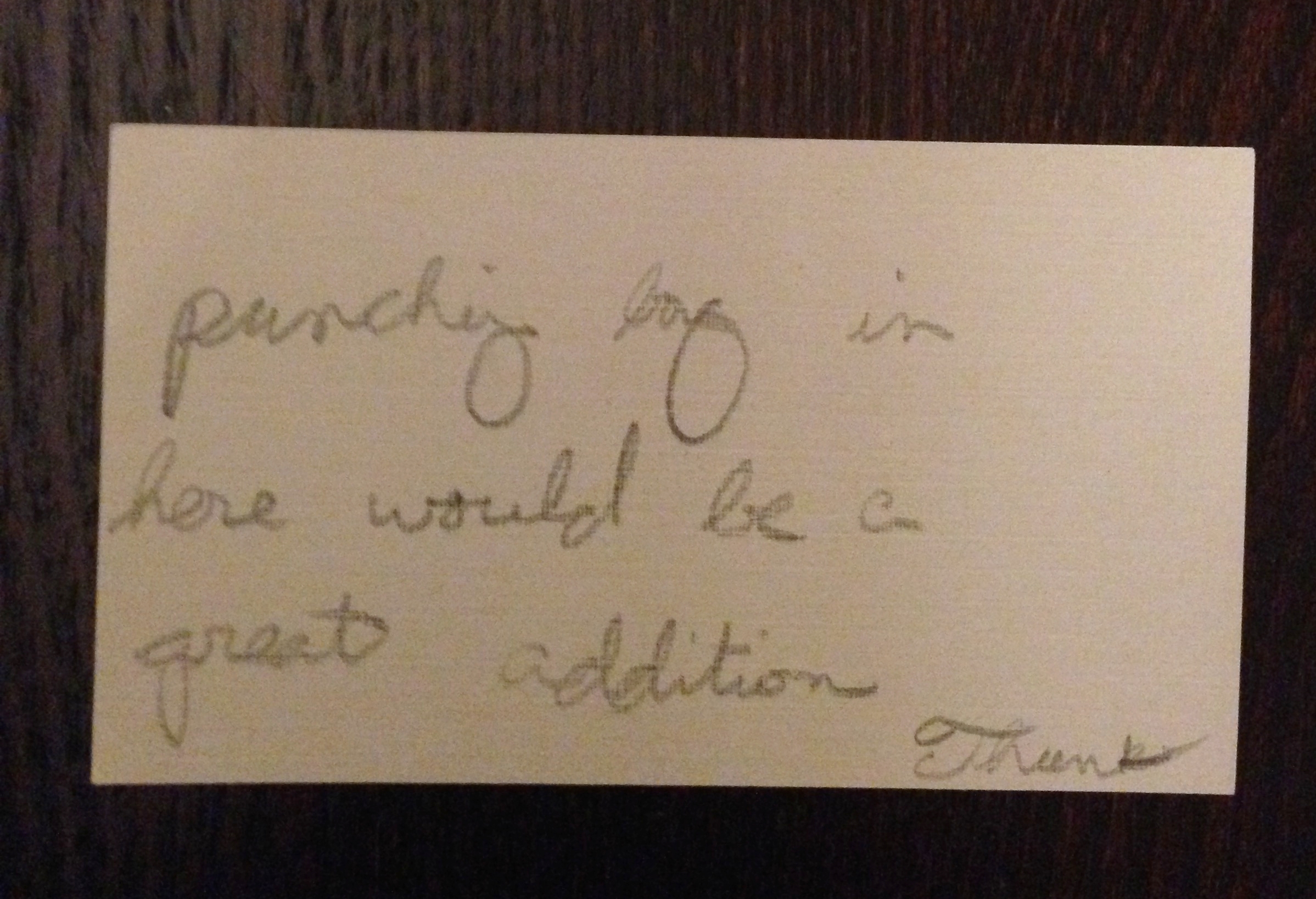
Filed Under: Research

How to Love Vegetables: a Delicious, Healthy Dinner Recipe

February 24, 2015 by Kathryn Alexander

How to love vegetables: a delicious roasted Brussels sprouts and Italian baked chicken recipe.

Fruit is proof that God loves us. I love fruit. It is so delicious, easy to carry, and requires no prep. I have to ration my fruit because I’d eat 15 pieces a day if I didn’t stop myself.

Vegetables, on the other hand… yuck. They require ranch dip or preparation, then end up soggy and smelly.  

As an adult, I have made a concerted effort to eat vegetables. The effort is well worth it for the payoff, especially for active people. After the trouble we go through to exercise, eat enough protein, and drink enough water, it makes sense to do everything we can to take care of our bodies in other ways.

Like eat vegetables.

Brussels sprouts

After experimenting with many different vegetables, recipes, and preparation methods, I finally hit the jackpot: baked Brussels sprouts.  Half of you have probably done this before, but I just discovered it and cannot get enough.  

Add in a well seasoned baked chicken, and you’ve got a complete, healthy dinner.  Try this out and let me know how you like it!  I love to hear other people’s cooking tips and tricks!

Oven Baked Italian Chicken and Roasted Brussels Sprouts 

Serves 2

  • 2 chicken breasts, not frozen
  • 3 tbsp. olive oil
  • 1 1/2 pounds Brussels sprouts
  • 1 tbsp Parmesan cheese
  • nonstick cooking spray
  • Italian seasoning
  • 1 tbsp. dried oregano
  • sea salt
  • pepper
how to love vegetables

Preheat oven to 375.  For easy cleanup, line 8.5 x 12” pan with aluminum foil and spray with nonstick cooking spray.  Place chicken breasts on foil and drizzle 2 tablespoons of olive oil on chicken, coating both sides.  Sprinkle Italian seasoning and dried oregano on both sides of chicken.  Set timer to 30 minutes and place chicken in oven.

Thoroughly wash and dry Brussels sprouts.  Trim the end off and discard.  Cut the sprouts in quarters and place in large bowl.  Add 1 ounce of olive oil and a dash of Kosher salt, and toss to evenly coat all sprouts.  Add to oven.

Ensure chicken cooks to an internal temperature of 165 degrees.  Food thermometers are the safest way to cook, but if you do not have one, cut through the thickest part of the breast and be sure the meat is not pink.  Don’t hesitate to put it back in the oven for a few more minutes.

Brussels sprouts will be done in approximately 20 minutes.  They will be browned on the outsides, and outer leaves will be crisped.  Feel free to test 1 or 2 or 5 to see.  🙂  Coat with 1 tablespoon of Parmesan cheese before serving.

1 serving (approximately 5 ounce chicken breast and half the sprouts) is 17g fat, 20 g carbs, 33 g protein, and 373 calories.

Brussels sprouts done

How Do You Love Preparing Vegetables?

Let me know – I’d love to hear your recipes and try them! Email me at kathryn@kathrynalexander.com

Want More Recipes?

Try these:

Texas Trout

Grilled venison fajitas


About the author

Kathryn Alexander is a strength coach and personal trainer in Austin, Texas. She loves hiking, college football, and the feel of a perfectly knurled barbell. Read more about Kathryn here.
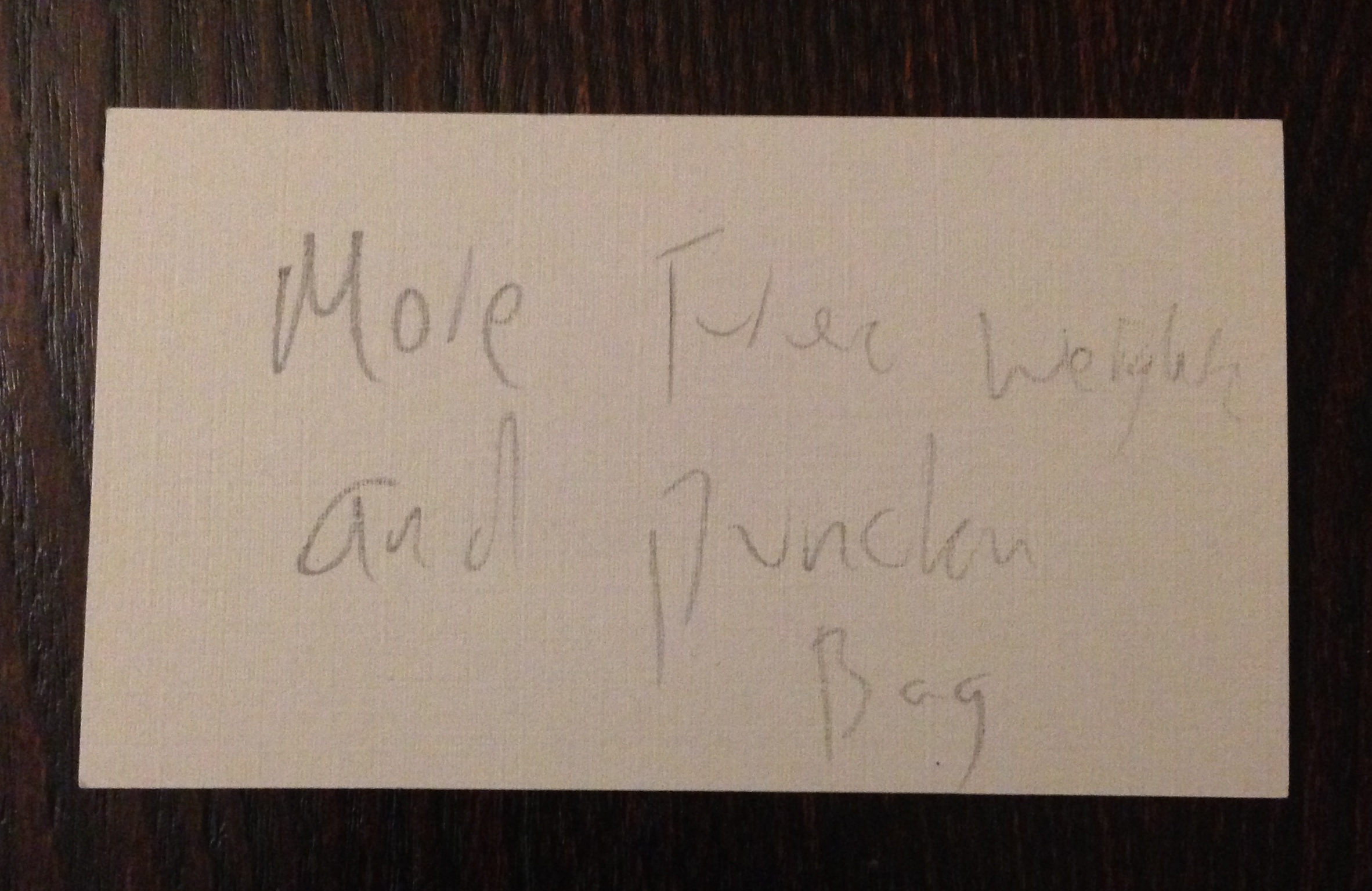

  • 5 steps to keep fitness progress
    5 Steps To Keep Progressing On Your Fitness Right Now
  • Thanksgiving friends at Big Tex Gym
    Thanksgiving Joy + Fitness Momentum (Yes, Both!)
  • Austin personal trainer Kathryn Alexander shares her clients' secret for successful holidays.
    My Clients’ Secret for Successful Holidays
  • Gifts for powerlifters: wrist wraps
    The Best Gifts for Powerlifters and What 1 Gift to Avoid
  • More Semi-Private Personal Training Options!
  • Quick Note: Exercise is Quality of Life

Filed Under: Nutrition & diet, Recipes Tagged With: recipes

Mean People and Sissy Squats

January 25, 2015 by Kathryn Alexander

I was 27 the first time I snow skied. Not exactly prime time for learning new motor skills, but I was positive I’d get the hang of it. Everybody skis. Besides, I know my functional anatomy, and I’m kinda athletic. Those things should count. Right? Ha.

Beginner lessons started at 10:00 am, but we southern snow bunnies hit the slopes earlier than that. We got our boots and skiis, bought me a big dorky helmet, and clomped over to the baby hill. I felt restricted by all those layers of clothes, and had zero dexterity with those gloves on. The sight of me walking in the boots even without skis was probably comical. We carried on.

The approximate .5% grade of the hill was actually enough fun for me to really enjoy my first few runs. I don’t know that anyone in the history of skiing has ever gone slower, but at least I didn’t have to worry about falling or running anyone over.

Come lesson time, the instructor divided us into categories. Since I had already put on my boots and skis and run the baby hill, she sent me to a group she labeled level 3.  I protested; “No no, I want to learn from the beginning… I’ve never been in snow before yesterday.” She assured me I would be bored in Level 1, so I acquiesced.

We Level 3s did a few test runs down the little slope I had practiced earlier. “Lookin’ good,” I thought. This is fun!


Here I am demonstrating a sissy squat, which enabled me to "pop up" like a kid after falling in the snow. Notice my torso is upright, which makes the squat harder. If this is too difficult, hinge forward at the hips as you descend. The long cou…

Here I am demonstrating a sissy squat, which enabled me to “pop up” like a kid after falling in the snow. Notice my torso is upright, which makes the squat harder. If this is too difficult, hinge forward at the hips as you descend. The long counterbalance of the machine is similar to skis in the way it anchors you to the ground. Imagine those are skis. Imagine I am freezing. The mittens are to help you envision the bitter cold.

Next we loaded up onto the ski lift, which I managed to do without embarrassing myself. I got this. The view was fantastic, and I soaked it in. By the time I looked down, I felt like it should be letting us off. It just kept going. And going. We dismounted at the top of a hill which was a wee bit outside my comfort zone.


The ski lift of death.

The ski lift of death.

I made my way down the slope, making a wide slalom pattern so as to not pick up too much speed. I did let myself move a little faster as I went along, and really began to enjoy it. For a minute, I forgot the encumbrances of layers of clothes, gloves, goggles. The cold didn’t cross my mind. The skis didn’t seem like giant sticks tied to my feet. It was almost exhilarating.  Not exhilarating yet, but I could see the promise.

Suddenly I realized our class was stopped about halfway down the slope. I was moving at this point. Not fast, mind you, but moving, and I suddenly had to stop. I didn’t know how. I didn’t know how to stop. Pizza french fries, pizza french fries! Pizza panic!!

For every skier who is reading this, I ask for a bit of empathy, ok? Regardless of how easy it seems to you, I didn’t know what to do. I was on a collision course with the instructor and an audience of my classmates, and pizza wasn’t working. Rather than knock her out (which in hindsight would have been the proper course of action) I bailed. Yes, I threw myself onto the ground because I didn’t know how else to stop.

The instructor was highly amused. Had she not been so scornful, I think she would have laughed harder. I don’t remember her exact words, but I remember how she made me feel, laying there a cold mess in the snow. She mocked me in front of everyone but never bothered to teach me how to stop.

And so, that is how I skied for the duration of the week. I tempered my speed, and chose a fluffy snow pile to fall into when I needed to stop. Better than running over a kid or breaking a leg.


Stylin'.

Stylin’.

The instructor continued to think I was hilarious, and made mention of it for the remainder of the lesson. She was in her 50s. Plenty old enough to know she should treat people kinder. Or do her job, for goodness sakes and HELP ME. Luckily for her, I was a much more patient and reserved person back then, and I held in my anger.

I literally had to pep talk myself on that mountain. I told myself I am worthy.  After all, I am a child of God! Some people love me! I may not be good at skiing, I am good at something! Put me in a gym and I can show you something! Really, I told myself that my strength is working out, literally and figuratively, and that reminder kept my head up.

How Are Your Workouts Going?

Where are you now with your fitness goals? Did you make New Year’s Resolutions 8 weeks ago? Have you started a new workout plan, or health habit?

New Year’s feels like so long ago! Many people have fallen off the wagon, broken resolutions, missed workouts. Is that you? If so, why?

I want to talk specifically about gyms. Utilized properly, well equipped gyms will give you the opportunity for the best results. Boot camps, outdoor workouts, group exercises classes, and workout DVDs certainly provide some health benefits. If those are your favorite things, by all means, continue with those.

But, if you aren’t reaching your goals despite putting in time and energy, look into adding resistance training to your routine. Join a gym. (Need more convincing? Read here.) You don’t have to be a gym rat or a workout zealot to make it work for you. You just have to realize that a well designed program is a tool to get you where you want to be. You don’t have to love it, even though many people grow to.

Even in gyms, experienced lifters have strengths and weaknesses. The best Olympic lifters aren’t the best powerlifters. Even among the powerlifters, the best squatters aren’t always the strongest deadlifters. Don’t let others in the gym intimidate you, because they are bad (and good) at different things too.

Therein lies your challenge: find the right workout for you. I encourage everyone to learn the basic movements. Squats, deadlifts, overhead press, chest press, and pulls. Modify as you go.  Skip exercises that cause pain. Add exercises specific to your goals.

Most importantly, remember: you do not have to be the best at it.  You just have to do it.  

Are you an accountant? A marketing manager? A mom or dad? You’ve probably spent your whole life working in a career outside the gym, or two. Of course you won’t walk in and be the best at it. You might not even be comfortable with it. That’s ok; you just have to do it.

Don’t compare yourself to experienced lifters and think you should be able to do what they do. Remember all the things you can do. You can probably play an instrument, provide advice on a niche subject, and learn new things. Those things make you YOU. Keep those things in your head, and then seek out the advice of a certified, intelligent trainer, and learn lifts that will help with your physique and performance goals.

Redemption

In the end, the Witch of Steamboat Springs paid me one of the best compliments I’ve ever received. She said that she’s never seen an adult get up after falling as easily as I did.  She said only children get up that easily, and that I just “pop up”. Fitting that her compliment referenced how many times I fell. What she didn’t know is that getting up in skis is just a sissy squat. Your feet stay anchored in skis or a sissy machine, and you just extend your knees (use your quads) to stand back up.

The incident taught me 2 other things: 1, I vowed to never make anyone feel as small as she did to me. That’s not the way to coach people. 2, I have weaknesses, yes. But I also have definitive strengths. I carry that thought with me and it gets me through situations where I am less experienced.

Surely we will fall again. We will ski into a snowbank, miss a lift, be short with someone, or miss an opportunity to show someone love. But what do you do? Get back up. Remember your worth. Tell yourself what you are good at, what you can do. Then get up, do it again, and do it better.


This view...  almost made it all worth it.  Yes, it was worth it.  Steamboat Springs 2011.

This view…  almost made it all worth it.  Yes, it was worth it.  Steamboat Springs 2011.


About the author

Kathryn Alexander is a strength coach and personal trainer in Austin, Texas. She loves hiking, college football, and the feel of a perfectly knurled barbell. Read more about Kathryn here.
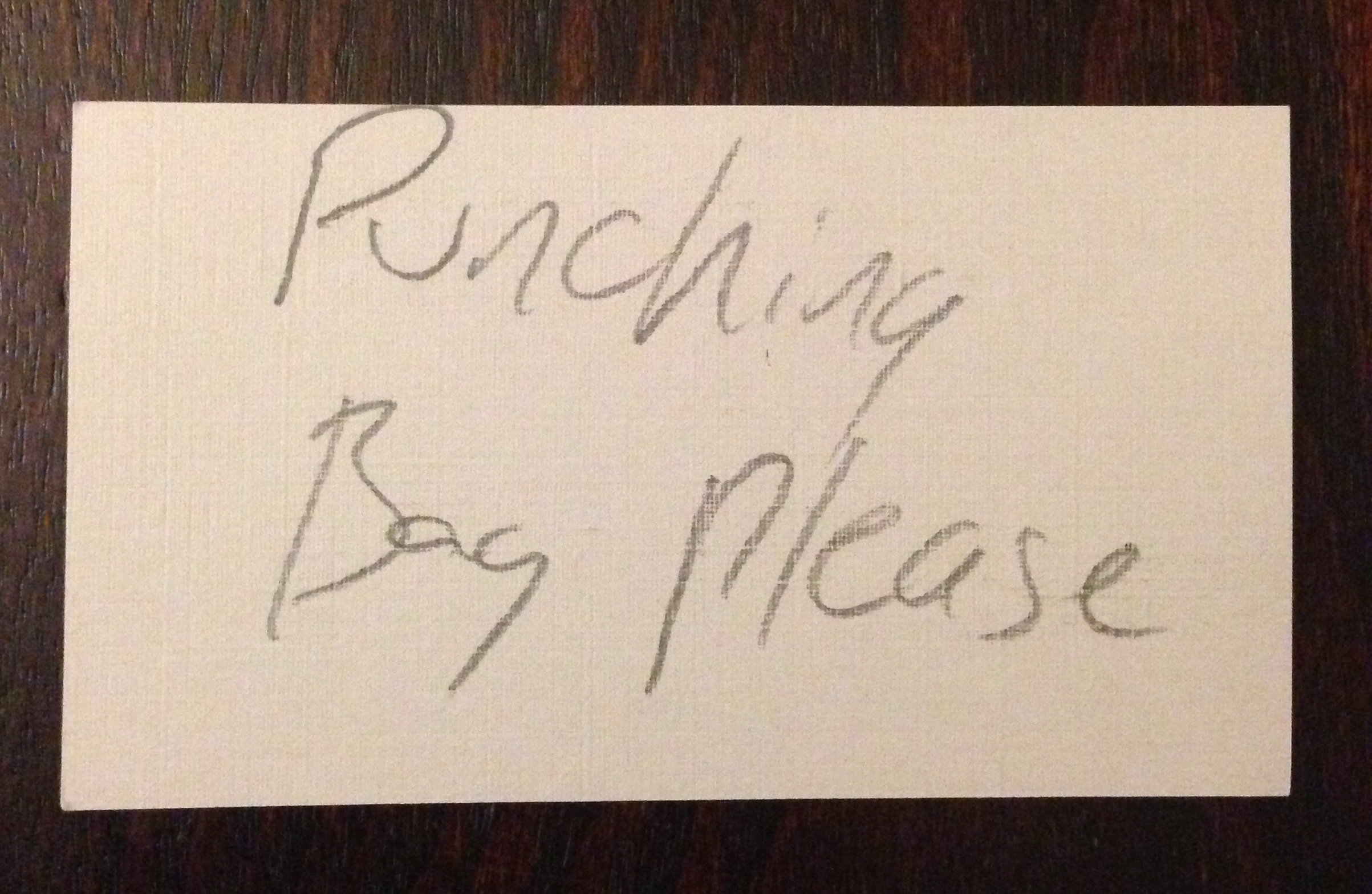
Filed Under: Attitude & Mindset Tagged With: strength, training

The Ice Bucket Challenge for ALS

August 18, 2014 by Kathryn Alexander

I'm holding a picture of my dad for the Ice Bucket Challenge.  He lost his life to ALS in 2007.  Stupid disease.

I’m holding a picture of my dad for the Ice Bucket Challenge.  He lost his life to ALS in 2007.  Stupid disease.

One thing people typically discover about me fairly quickly is that I am rarely short on opinions, and given a polite opportunity, I will share them.  This comes much easier when the topic of conversation is exercise, fad diets, and calluses on my hands.  At least with the science stuff, I always have facts, studies, and other research to back up my plan of action regarding.  Seriously, every thing I factor into a workout program is by careful design, and I love this stuff!  I can blab about it all day.

ALS Sucks

One thing that I don’t discuss as much, because it’s not about exercise, and because it SUCKS, is ALS, more commonly known as Lou Gehrig’s disease.  Lou Gehrig’s disease is the worst disease in the world.  Hands down.  No one has ever persuaded me otherwise, because I watched my dad fight . for. his . life for 6 years with this disease.  In ALS patients, a motor neuron dysfunction causes the muscles of the body to atrophy, leading to eventual paralysis until death.  That means paralysis of the inspiratory muscles and muscles of the throat, making breathing, talking and swallowing harder.  This means paralysis of the throat, hands, legs, face.  It means that even though a few times my dad asked me to please scratch his nose because he had an itch he couldn’t reach, the truth is that hundreds more times, he probably didn’t even ask.  And then he couldn’t walk, couldn’t breathe comfortably, couldn’t communicate as well.

And then he passed away.

I know everyone loses their parents.  But he was ripped away.  He was made to suffer his last years, and I’ll miss him for all my years now.  So will my mom and sister, and his grandbabies whom he never met.  I excuse myself at every wedding’s father-daughter dance because it’s not cool to be that weirdo sobbing on a happy occasion.   I have often thought that should I marry, we should elope so there will be no aisle to walk down alone.  Selfish, I know, but so much was ripped away.  He was 60.

I didn’t tell many people when my dad was sick because I was in college at the time, and it was easier to focus on all the good things in my life, which was everything else.  But now, I have no excuse not to tell everyone I can about it and encourage people to help support fundraising and increasing awareness.  Even on a lifting blog.

ALS is More Common in Military and Veterans

ALS is more common in military veterans and athletes.  Diagnoses seem to be more and more common, with someone new diagnosed every 90 minutes.  Every 90 minutes!!  Lou Gehrig was diagnosed in 1939 – 75 years ago! – and there is still only one treatment option, a $1000 a month drug that extends life in patients by 2 months.  2 months!!  WTF, people?!

How can you help?  If you do one thing, please go to alsa.org and sign up to be an advocate.  This means you get an occasional email asking you to email your lawmakers when something on their ballot could allocate more funding to our cause. And if it is in your budget, please donate!!  Research will find the cure!  It will, it will! Thank you so much for reading and please reach out to me if you need ALS resources. kathryn@kathrynalexander.com

About the author

Kathryn Alexander is a strength coach and personal trainer in Austin, Texas. She loves hiking, college football, and the feel of a perfectly knurled barbell. Read more about Kathryn here.
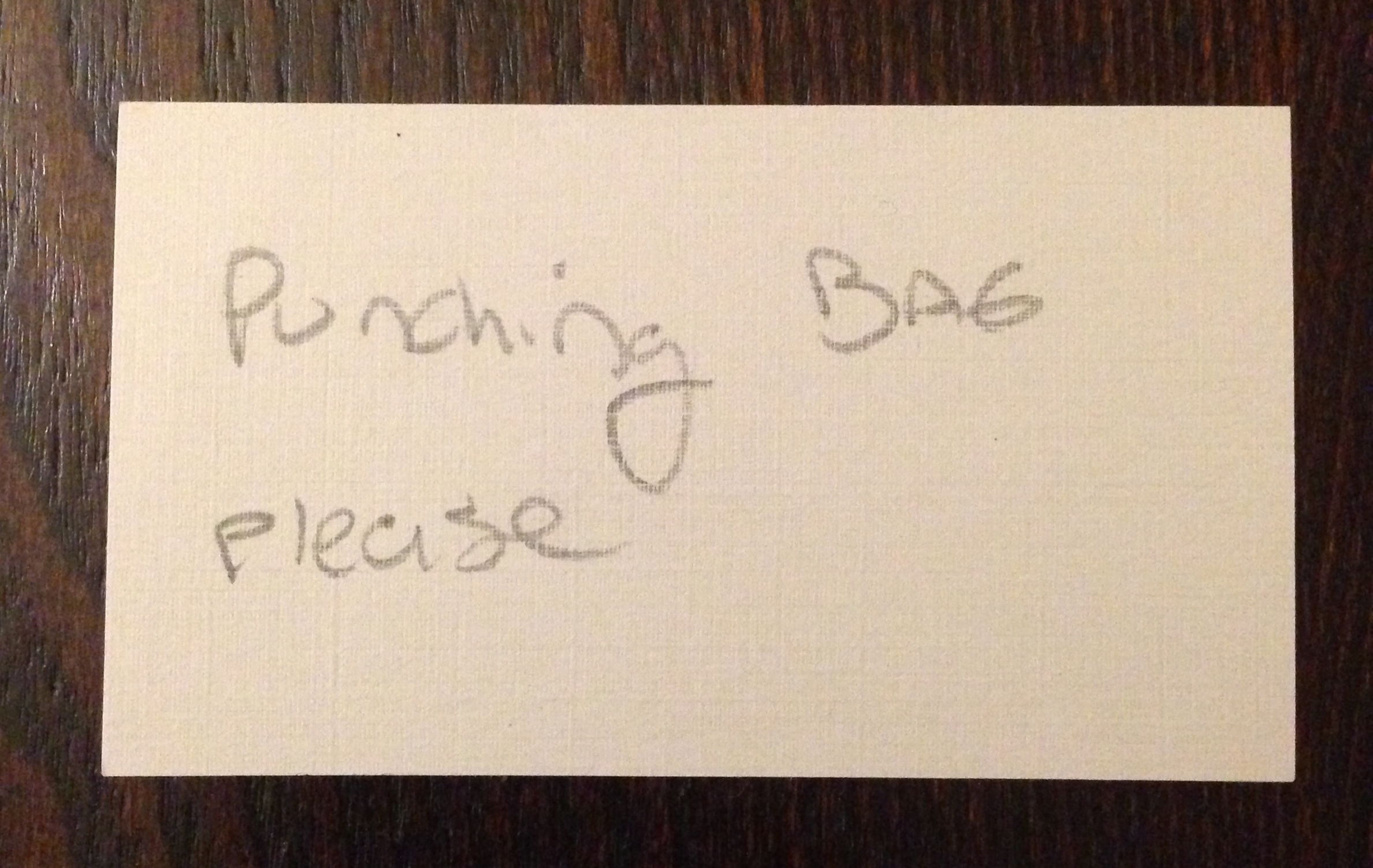

  • 5 steps to keep fitness progress
    5 Steps To Keep Progressing On Your Fitness Right Now
  • Thanksgiving friends at Big Tex Gym
    Thanksgiving Joy + Fitness Momentum (Yes, Both!)
  • Austin personal trainer Kathryn Alexander shares her clients' secret for successful holidays.
    My Clients’ Secret for Successful Holidays
  • Gifts for powerlifters: wrist wraps
    The Best Gifts for Powerlifters and What 1 Gift to Avoid
  • More Semi-Private Personal Training Options!
  • Quick Note: Exercise is Quality of Life

Filed Under: Misc.

Why You Should Lift Weights

July 14, 2014 by Kathryn Alexander

Exercise really is the fountain of youth. It is THE secret. That “one trick!”. Truly, it is! It’s the magic pill, it does everything. It makes every cell in your body healthier, down to the smallest lining of your blood vessels. It makes you more capable, productive, and happy. There are endlessly documented cognitive, physical, and emotional benefits to exercise, and making better fitness choices can help every single person on this earth! Why you should lift weights is an easy question to answer because there are so many great benefits that come with lifting!

It can pick your butt up, make your clothes fit better, and make your high school friends wonder how you made time stop. It seriously is the secret to slowing down time. It’s really no secret anymore, though. It takes a bit more effort than swallowing a pill, but is well worth the effort!!

Why Not

So why don’t more people do it? Millions of reasons. Fear of effort, fear of failure, complacency. And, unfortunately, exercise is front loaded with the problems, as one of my professors used to say. You have to start by finding a gym, workout clothes, making time in your day, and actually showing up and doing it. It is harder in the beginning.

Worst yet, some people do all those things, sweat away, and don’t see results. Why? Because they’re not working out smart. Hard maybe, but not smart. They’re slaving away on the elliptical, which is boring. They’re doing steady state cardio to meet recommendations which specify minutes of workout goals, but not intensity. Boooooring! And time consuming. And ineffective.

What Happens When you Start Lifting Weights?

This is why I love lifting weights. Besides the fact that its way more fun (which we can all pretty much agree on, right?), it does more for you. Yes, it works harder for you. It’s like compounding interest on your IRA! You lift weights and build muscle, which is more metabolically expensive. You burn more calories post workout. Muscles takes more calories to maintain, so you find that it is easier to stay leaner as you get stronger. Win win win! Lifting can make you more powerful, which steady state cardio will not do.

Lifting will reshape you, which cardio also will not do. If you are a pear shape, you will only become a smaller pear after sweating away pounds on the elliptical. If you’re an apple, you’ll just be a more oblong shaped apple if you lose weight via jogging. Me, I’d rather ditch the fruits and become an hourglass. Or an X, for you men out there. That’s right, boulder shoulders, and strong glutes and hips. Tiny waist.

Why you should lift weights
I’d rather ditch the fruit and become an hourglass…

Don’t get me wrong. Steady state cardio has its place, and I do some conditioning. Walking is easy, cheap and peaceful. The elliptical is kinder to your joints than running. I even had one summer where I regularly got “runner’s high”, so I don’t think all you runners are crazy. I get it.  Besides that, if you enjoy a specific exercise mode, you should absolutely keep doing it. If you compete in or simply enjoy running, biking, or swimming, of course you should keep doing those things.

My point is that weight lifting really makes you the driver of your progress. If you’ve never lifted, try it! You won’t have to quit your other activities, contrary to popular belief, it won’t adversely affect them either. Start lifting now and let me know how it goes!


About the author

Kathryn Alexander is a strength coach and personal trainer in Austin, Texas. She loves hiking, college football, and the feel of a perfectly knurled barbell. Read more about Kathryn here.
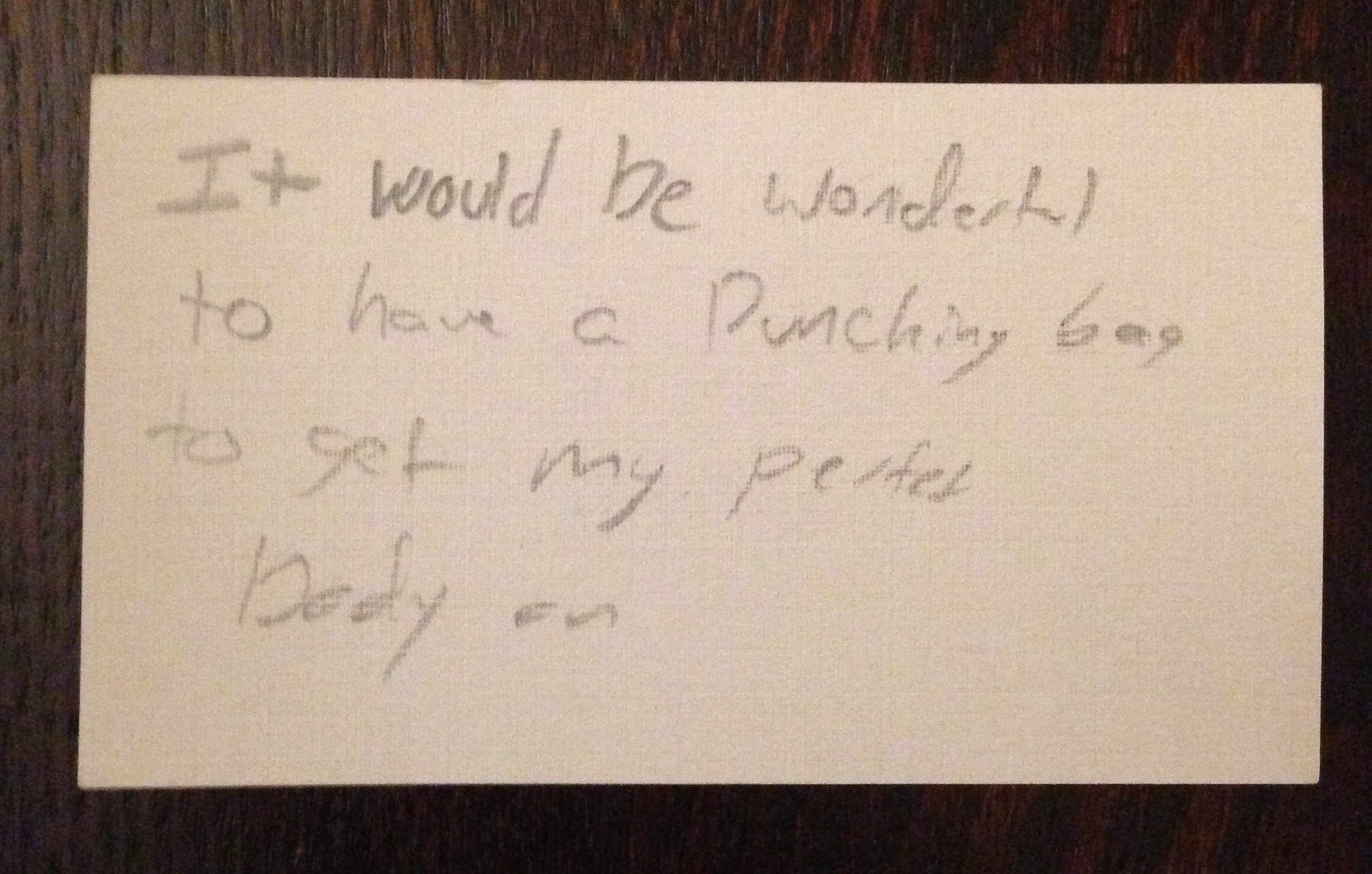

  • 5 steps to keep fitness progress
    5 Steps To Keep Progressing On Your Fitness Right Now
  • Thanksgiving friends at Big Tex Gym
    Thanksgiving Joy + Fitness Momentum (Yes, Both!)
  • Austin personal trainer Kathryn Alexander shares her clients' secret for successful holidays.
    My Clients’ Secret for Successful Holidays
  • Gifts for powerlifters: wrist wraps
    The Best Gifts for Powerlifters and What 1 Gift to Avoid
  • More Semi-Private Personal Training Options!
  • Quick Note: Exercise is Quality of Life

Filed Under: Training

  • « Go to Previous Page
  • Go to page 1
  • Interim pages omitted …
  • Go to page 3
  • Go to page 4
  • Go to page 5
  • Go to page 6
  • Go to Next Page »

Primary Sidebar

Kathryn Alexander, personal trainer in Austin
Hi, and welcome here! -Kathryn

Did you know I make custom training plans? Tell Me More!

Recent Posts

  • 5 Steps To Keep Progressing On Your Fitness Right Now
  • Thanksgiving Joy + Fitness Momentum (Yes, Both!)
  • My Clients’ Secret for Successful Holidays
  • The Best Gifts for Powerlifters and What 1 Gift to Avoid
  • More Semi-Private Personal Training Options!

Footer

Follow

  • Email
  • Instagram
  • YouTube

Affiliate disclaimer

As an Amazon Associate I earn from qualifying purchases.

Newsletter sign up

  • Home
  • About Kathryn Alexander
  • Blog
  • Success Stories
  • Training Programs
  • Start Today

Copyright © 2025 · Genesis Sample on Genesis Framework · WordPress · Log in

  • Featured In
  • Privacy Policy
  • Resources
  • Online Personal Training
  • Personal Training
  • Training Programs