• Skip to primary navigation
  • Skip to main content
  • Skip to primary sidebar
  • Skip to footer
Alexander Training personal trainer Austin Texas

Alexander Training - personal training in Austin, Texas

Personal training in Austin, Texas and customized strength programs in Austin, Texas.

  • Home
  • About Kathryn Alexander
  • Blog
  • Success Stories
  • Training Programs
  • Personal Training

Kathryn Alexander

How to Heat a Garage Gym: The Best Tips and Equipment

December 11, 2024 by Kathryn Alexander

I am republishing this as of December 2024, because I’m another year in to experimenting on how to heat a garage gym. we are starting to get down into the 30s here in Austin, and it’s enough to make all the dumbbells and barbells cold.

So, let’s get to it: here are the best ways to heat a garage gym this winter.

Some links in this post are Amazon affiliate links to products that I love and regularly use.

Heat Your Garage Gym This Winter!

Whether you live in harsher environments with more extreme weather, or farther south, the cold can present a challenge for your garage gym workouts. This isn’t you being a wuss, either; cold weather changes the game, and it’s good for you to have options on how to heat your space to a more comfortable temperature.

personal trainer Austin Kathryn Alexander
Headlamps are a must for home improvement projects 🙂

To make my winter garage sessions more survivable, I have added insulation to my garage walls behind new sheetrock, I insulated the door, and bought an electric heater. Worth every bit of the investment! I’ll give you all the details below.

Ways to Heat a Garage Gym in Winter

Learning how to heat a garage gym for cold winter weather is one of the best things you can do to continue making progress on your health and strength goals. Don’t skip your garage gym workout because of the cold weather!

There are several heating methods for warming your cold garage gym to a comfortable temperature in the winter months, the best way to warm your home gym this winter. Check them out below. 

Propane Heaters

Propane heaters are one of the most effective options for heating a garage in the cold weather, but they do come with down sides. 

A propane heater will put out a lot of heat and can create warm air in a large space like the whole garage, not just a corner. Most propane heaters are forced air heaters, meaning they propel air out instead of simply heating in a radiant fashion. 

Examples of propane heaters are the torpedo heaters you have probably seen in warehouse style gyms, and at the front of The Home Depot and Lowe’s in cooler months. 

You’ll need a fuel source such as a propane tank if you don’t have a gas line in your garage. 

However, the byproduct of a burning propane is carbon monoxide, so you must have proper ventilation. This part is crucial! 

You must leave the garage doors somewhat open and/or a window partially open to safely operate a propane heater. 

You should also have a carbon monoxide detector. You should have this anyway! But you should especially have it if you are using a propane heater. 

If you go this route, please research it further. It would also be a good idea to consult your local HVAC specialist first. 

If this concerns you, a better option might be a radiant heater.

Radiant Heaters and Infrared Heaters

Radiant heaters are a great heat source during the cold season. They can warm a small space or pocket of a room. Since they only radiate and do not force air out, they heat smaller areas. Infrared heaters are examples of radiant heaters. Infrared heaters can be free standing portable heaters or mounted to the ceiling to save floor space. They heat objects and people instead of heating the air around them. Depending on the size of your garage, radiant heaters might be a great option. 

Electric Heaters

Electric heaters are one of the easiest ways to heat a garage on cold days. I use an electric heater in my garage gym. It is an oil filled space heater which I put it near my squat rack, where I’ll be doing most of the work. It doesn’t dramatically heat the whole garage, but it makes the cold bearable. 

I use a DeLonghi oil filled radiator heater, which is about $100 – $150. Worth it to me. (Affiliate link).

I have two of these, one in my garage gym, and I use one inside too. It makes a room nice and cozy warm without having to raise the heat in the whole house.

You can google “best electric space heaters” to see which fits your space and budget. There will be many options and you should find many that will comfortably heat small garages. 

Mini Split Ductless Heaters

One of the most effective and convenient solutions for heating your garage gym in winter is installing a mini split. A mini split is an electric ductless heating system. They run about $1,000 and will need to be installed by a professional. These might be the best heaters, as they provide both heating and cooling, and are effective enough to combat the most extreme temperatures in cold climates, and fight off the heat in the summer. 

Mini splits will probably come with a fancy little remote control and put out all the hot air you’d like. 

Consider a mini split a complete and full heat and cold solution. It will affect your electric bill more than the smaller heaters and heating solutions, but it will be a permanent solution that will last a long time.

Other Ways to Heat a Garage Gym

There are of course other ways to heat a garage gym, including a wood stove, pellet stove or natural gas heaters. These are less convenient in a garage and more suitable for finished rooms. You would of course have to take care with these, as they have open flame. Generally I would suggest the above solutions before you use a wood or pellet stove, but if you have experience with these and can tell me otherwise, please let me know! I have admittedly lived pretty far south my whole life, and the portable electric heaters have been plenty for me. 

Insulation for Walls, Doors and Floors of Garage Gyms

One of the most effective, easy and cost saving ways to keep the cold air out is to ensure your garage is well insulated. Proper insulation on the walls, doors and floors can go a long way in holding heat in and reducing the cost of heating the garage. 

And, speaking of essentials, here are some home gym equipment essentials.

Floor Insulation

Concrete floors become brutally cold in the winter, bringing all that cold in via the floor. Laying down a solid flooring foundation is smart for any gym, for safety, preservation of your floor and sport performance.

One often overlooked benefit is that a thick floor covering will help with insulation. I recommend horse stall mats like the ones that can be found at Tractor Supply. These are 3/4 – 1” thick and do a great job of buffering the temperature of the cold floor.

You might want different thicknesses if you’re using your garage gym for different purposes. Here are more factors to consider when you are deciding how thick your gym flooring needs to be.

floors mats for heat retention in garage
Approximately 12 floor mats cover my garage gym floor to cushion and protect the floor, and insulate.

In the harsher winter of colder climates, some people elect to heat their garage floor. This is a more expensive and comprehensive solution, as it involves installing the heating elements into the floor. If you are considering this, do further research in finding reputable companies who specialize in heating floors.

Wall Insulation

If you are renovating the garage walls and have the opportunity to install sheet insulation, take it. That will help tremendously to keep heat from escaping in the winter. The Home Depot gives a great idea of what kind of insulation level you need, including R-values by region of the US.  Check this out if you are adding insulation. 

How to heat a garage gym and use insulation to retain heat
This is the fiberglass I used in the garage gym walls, and you can see the garage door insulation packed into the panels.
fiberglass insulation in garage gym walls
Fiberglass insulation in the garage gym walls, trimmed to fit between studs.

If you aren’t redoing the walls anytime soon, the next best thing is to insulate the garage door. 

Garage Door Insulation

There are several ways to insulate an existing garage door. The two most common are fiberglass insulation, which comes in blankets, and foam panel insulation. I bought a garage door insulation kit with sheets of fiberglass insulation and installed it myself. It was around $200 from Home Depot for my two garage doors, and was fairly easy to do. It required fitting the insulation between the garage door panels, sealing the edges with tape clips. 

Garage door insulation for heating garage gym in winter.
Garage door insulation for heating my garage gym in winter. Excuse the markups.

I have since learned that this can get heavy because of accumulation of moisture in the fiberglass insulation, so foam panels might be a better option. Again, contact a trusted HVAC professional to help you make the right decision. Foam panel insulation also looks a bit sharper.

I don’t regret my insulation at all, and it’s effective. But, I might do it differently in the future to heat my next garage gym.

Finally, you can add weatherstripping or seal to the bottom of your garage door if you have large gaps that allow heat loss.

Related: Top 10 Benefits of a Home Gym

Dress for Cold Weather

The last thing you can do, which doesn’t involve modifying your garage, is dressing yourself for the cold weather. Invest in cold gear in layers: a base layer, an insulating layer, and an outer layer. I swear by REI merino wool socks, and thermal middle layers. 

To be fully honest with you, you need to ask your cold weather friends or google how to dress for winter weather. I do not know how, and my strategy is to avoid harsh winters. I’ve been skiing once and boy, was it a bad time. 

I was cold cold! I try every year to find better gear, but I still get cold, which is the reason I have added insulation behind my sheet rock, the garage door insulation, and a heater to my garage. 

Read also my favorite home gym organization ideas and storage solutions.

Make a Plan for Cold Weather Lifting

Make a cold weather plan so you continue getting your lifting in this winter. By adding a bit of weather stripping, insulation, and investing in the right type of heater, you can create a comfortable environment. 

You can also be strategic by warming up inside to begin the warming up/sweating process, and moving to the garage while it has had to for you, and it, to warm up.

In summary, to keep warm in your garage gym in the cold winter:

  • Identify leaks in your garage
  • Add weather stripping and insulation
  • Purchase a good heater for your space
  • Dress in layers in cold weather gear
  • Start your heater in the garage gym
  • Warm up inside
  • Go dominate your training session!

Cold Weather Not For You?

Join me in a heated gym with infrared saunas! You can’t always out run the cold. If this is the case for you, do the next best thing and meet me at Big Tex Gym in Austin, Texas for some climate controlled personal training! 

Check out these training options here and let me know how I can help you!

About the author

Kathryn Alexander is a strength coach and personal trainer in Austin, Texas. She loves hiking, college football, and the feel of a perfectly knurled barbell. Read more about Kathryn here.
  • Bala power ring workout
    Bala Power Ring Workout (Full Body)
  • walking lunges for deadlift for lower body strength.
    The Best Lower Body Muscular Strength Exercises
  • deadlift barbell vs trap bar
    Deadlift Barbell vs Trap Bar: Which Is Better for Strength, Muscle, and Safer Pulling?
  • Things to do in Austin in April (2026)
    Things to Do in Austin in April (2026)
  • Client results and testimonials for trainer Kathryn Alexander
    Love Notes, Volume 5. Q1, 2026
  • Best garage gym fan. Drum fan in my garage gym. I love this one because it's easily portable.
    Best Garage Gym Fans 2026

As an Amazon Associate I earn from qualifying purchases.

Filed Under: Garage Gym, Home gyms Tagged With: garage gym, home gym, home workouts

Home Leg Workouts With Dumbbells

November 26, 2024 by Kathryn Alexander

Home leg workouts with dumbbells are simple, accessible, and so beneficial! Leg day is the big one! The toughest, hardest, most gut checking day of the week! In the gym, you can load up a heavy bar for barbell squats or deadlifts, or load up machines for a crushing leg workout.

But, you can also get a great leg workout by strength training from home. A dumbbell leg workout done with focus on movements can build and strengthen your legs (quads, hamstrings, calves), glutes, and lower back. And truly, your whole body. Grab some dumbbells and get to building strong legs.

home leg workouts with dumbbells

Equipment

Of course, for home workouts with dumbbells, you’ll want dumbbells. You can do so much great work with body weight, and a little bit of equipment. Free weights are expensive, so you can be strategic about getting a medium pair of dumbbells, and maybe 1 or 2 heavy dumbbells or kettlebells. If you have read much about my recommendations for home equipment, you know I suggest a pair of light dumbbells, medium dumbbells, one heavier dumbbell (or kettlebell), and some resistance bands. 

If you have the space and budget for a bench, that’s great too. This is plenty of equipment to build leg strength at home. Get you a good mat to protect yourself and the floor, and you are good to go!

Speaking of equipment, are you shopping for a powerlifter? If so, here are the best gifts for powerlifters and one that I would absolutely not recommend.

The Exercises

There are SO many dumbbell leg exercises; you are really only limited by your imagination. I will run through the basics, my favorites, and a few weird ones. Here is a list first so you can see the bird’s eye view, and I will explain how to do each one below. 

  • Goblet squats (front squat)
  • Dumbbell squats
  • Lunges (dumbbell lunges)
  • Romanian deadlifts
  • Single leg deadlift (or B stance deadlift) single-leg deadlift
  • Bulgarian split squat
  • Dumbbell deadlift
  • Curtsy lunges
  • Glute bridge /hip thrust
  • Dumbbell step-ups
  • Farmer’s walk/Farmer’s carry

How to Organize Your Home Leg Workout With Dumbbells

  • Goblet squats
  • Dumbbell Squats
  • Dumbbell deadlifts
  • Lunges
  • Curtsy lunges
  • Dumbbell step ups
  • Bulgarian split squat
  • Romanian deadlifts
  • Single leg deadlifts

*glute bridge/hip thrust

*Farmer’s walk/farmer’s carry

Pick one exercise from each of the above columns. Add in one or both of the glute bridge/hip thrust, or a farmer’s carry. With each exercise, you’ll warm up well, do some increasingly heavy sets, until you reach 3 work sets.

These 3 work sets can be between 5 and 12 reps that are challenging, where you have 1-2 reps left in reserve. I’d suggest you do two of these workouts each week, sticking to the same exercises. From there, utilize the concept of progressive overload, which means you try to overload from the last week, assuming you get all green lights (feeling good, getting good quality reps, etc.).

For example, your leg session A might be dumbbell squats, lunges, RDL’s and a farmer’s walk. Your B session that week could be goblet squats, dumbbell step ups, B stance RDL’s, and a glute bridge.

Record your sets, reps and weight, and the next week, try to do a little heavier. If you continue this way, you will see progress.

Goblet Squats/Front Squats

To do a goblet squat, start by holding a dumbbell vertically with both hands at chest level, gripping it by one end (like a goblet). Stand with your feet shoulder-width apart, toes slightly turned out. Keeping your chest upright and your core engaged, lower your body into a squat by bending your knees and pushing your hips back, as if sitting into a chair. Go as low as your flexibility allows, ideally until your thighs are parallel to the floor.

Grip the ground with your whole foot (and toes) and squeeze your glutes to drive yourself back up to the starting position. Maintain good form by keeping your back straight (no twerking) and avoiding letting your knees cave inward.

goblet squats

Dumbbell Squats

To do a dumbbell squat, start by standing with your feet shoulder-width apart, holding a dumbbell in each hand by your sides with your arms fully extended. Keep your chest upright, your core engaged, and your shoulders relaxed. Slowly lower your body into a squat by bending your knees and pushing your hips back, as if sitting into a chair. Keep the dumbbells steady by your sides throughout the movement.

Lower until your thighs are parallel to the floor or as low as your mobility allows. Grip the ground with your whole foot (and toes) and squeeze your glutes to drive yourself back up, ensuring your knees track over your toes and your back remains straight. Repeat for the desired number of reps. 

Lunges

To do walking dumbbell lunges, start by standing tall with a dumbbell in each hand, arms extended at your sides. Step forward with one leg, lowering your hips until both knees are bent at about 90 degrees. On your front leg, ensure your front knee stays directly above your ankle, and your back knee hovers just above the floor. Keep your chest upright and your core engaged throughout the movement. Push through your whole foot to return to the starting position, then alternate legs. 

You can do a reverse lunge, where you are stepping back with one leg. You can do a forward lunge, where you step forward, then back. With these, as you step back with your back leg, most of your weight stays on, and most of the work is done, by your front leg. Whichever way you do these, keep your feet hip-width apart, like you are walking on railroad tracks, not a tight tope. Lunges are fantastic for your whole posterior chain.  

One other option is a lateral lunge, or side lunges. With these, you’ll step out to your side with one leg, bending into that leg. For example, you’ll step out with your right leg, plant your right foot, and bend your right knee. Your leg leg with be mostly straight, and your torso will hinge forward. From here, press into the ground with your right foot, and stand back up into position. Repeat the exercise on the other side, stepping out with your left leg. Lateral lunges help with strength and hip mobility. 

walking lunges, Kathryn Alexander at her home garage gym

Romanian Deadlifts

To do Romanian deadlifts with dumbbells, start by standing with your feet hip-width apart, holding a dumbbell in each hand in front of your thighs with your palms facing you. Keep your chest lifted, shoulders back, tight upper back, and a slight bend in your knees. Hinge at the hips by pushing them backward, lowering the dumbbells along the front of your legs while maintaining a straight back and tight core.

Lower until you feel a stretch in your hamstrings or the dumbbells reach about mid-shin level, grab the ground with your whole foot, and squeeze your glutes back under you to return to the starting position. Keep the movement controlled and avoid rounding your back. Everyone’s range of motion is different, depending your your hamstrings flexibility, among other things. Big glute squeeze with all variations! 

B Stance RDLs

To do B-stance Romanian deadlifts (RDLs), start by standing with a dumbbell in each hand, arms extended by your side or in front of your body. Position one foot slightly behind the other with just the ball of the back foot touching the ground for balance, while your front foot bears most of the weight.

Keeping your chest upright and back straight, hinge at the hips, lowering the dumbbells along the front leg until you feel a stretch in your hamstrings. Maintain a slight bend in the front knee and keep your back leg straight. Return to your upright position and repeat on one side for the desired number of reps, then switch legs.

Bulgarian Split Squats

To do Bulgarian split squats, start by standing a few feet in front of a sturdy bench or elevated surface. Hold a dumbbell in each hand by your sides and place the top of one foot on the bench behind you. With your chest upright and core engaged, lower your body by bending your front knee until your thigh is parallel to the floor or as low as your mobility allows.

There are different ways to do these, but I prefer to slightly shift my weight so that most of my weight is on my front leg. Complete the desired reps on one leg, then switch sides. You can do a good bit of weight on split squats, so as you feel comfortable, don’t be afraid to move into heavier weights. BSS’s are one of the best single-leg exercises. They’ve even been the subject of many memes, lamenting how challenging they are. 

Dumbbell Deadlift

To do dumbbell deadlifts, start by standing with your feet hip-width apart, holding a dumbbell in each hand with your palms facing your body. Keep your chest upright, shoulders back, and torso tight. Hinge at your hips and bend your knees slightly, lowering the dumbbells down the front of your legs. Keep your back straight and lower until the dumbbells are near your shins or you feel a stretch in your hamstrings.

Grab the ground with your toes, push through your whole foot, squeeze your glutes, and return to the starting position, ensuring you maintain proper posture throughout. Repeat for the desired number of reps. Keep straight arms here; no elbow bending.

These are a staple for home leg workouts with dumbbells.

Curtsy Lunges

To do curtsy lunges, start by standing tall with a dumbbell in each hand, arms extended at your sides. Step one leg diagonally behind the other, crossing it as if performing a “curtsy,” and lower your hips until your front knee forms a 90-degree angle. Keep your torso upright and your back straight throughout the movement.

Push through your front foot to return to the starting position, then repeat on the opposite leg. Alternate legs for the desired number of reps, focusing on controlled movements to engage your glutes and inner thighs.

Glute Bridge /Hip Thrust

To do a hip thrust with a dumbbell, sit on the ground with your upper back resting against a sturdy bench or elevated surface. Roll a dumbbell onto your lap, holding it securely with both hands. You can put a towel or cushion here to protect your hip bones. Bend your knees and plant your feet flat on the ground, hip-width apart.

Drive through your heels and lift your hips until your body forms a straight line from your shoulders to your knees, squeezing your glutes at the top. Lower your hips back down in a controlled motion and repeat for the desired number of reps. These are a great addition to your lower-body workout, especially if they are new to you. Give them a try!

Dumbbell Step-ups

To do dumbbell step-ups, start by standing in front of a sturdy bench or platform that’s about knee height. Hold a dumbbell in each hand by your sides with your arms extended. OR hold just one dumbbell, and hold on to something for balance. The #1 rule is no falling! Step up onto the platform with one foot, pressing through your heel to lift your body until your standing leg is fully extended.

Bring your other foot up to meet the first, then step back down one foot at a time. If you started on your left foot, repeat all reps on your left foot before switching to your right, keeping your chest upright and core engaged throughout the movement. Adjust the platform height and dumbbell weight as needed for your fitness level. Step ups are one of my favorite compound exercises to do with dumbbells (or even without!).

Step ups at Hyde Park Gym, Austin, Texas

Farmer’s Walk/Farmer’s carry

To do a farmer’s walk with dumbbells, start by standing tall with a dumbbell in each hand, arms fully extended at your sides, and palms facing in. Keep your chest upright, shoulders back, and core engaged. Walk forward in a straight line, taking controlled steps, and focus on maintaining good posture throughout.

Avoid letting the dumbbells sway or pulling you off balance. Continue walking for a set distance or time, then set the dumbbells down carefully. This exercise builds grip strength, core stability, and overall endurance. Since it allows you to carry a good bit of heavy weight, it also works core strength and upper body. 

Farmer’s carry march

Benefits of Home Gym Workouts

Home workouts are convenient, time saving, and can be* cost effective. A single pair of dumbbells can provide a wide range of exercises, making them an affordable and versatile investment. Adjustable dumbbells aren’t inexpensive, but they are much cheaper than a whole set of dumbbells. They save space too. In theory, home workouts save you money on gym memberships and expensive equipment.

*Unless you get bit by the garage gym or home gym bug, then you’ll probably blow your budget on more fun things for your gym. But there are way worse ways to spend your money! 

Remind yourself you aren’t commuting to the gym, dealing with Austin traffic, or wherever you life. You can workout any time that you are home and don’t have to worry about compatible schedules with training partners or your personal trainer.

You can practice new or weird things in the privacy of your own home. You don’t have to worry about sharing space or what you’re wearing. Blare your own music and fly your own flags! Working out at home is the best! 

Home workouts are family-friendly. Everyone in the household, including kids, can join in, making it a fun and healthy activity. Exercises can be scaled for children or beginners using lighter weights or bodyweight options. I don’t have kids but I write programs for my niece and nephew, and I think it’s amazing that they see their whole family exercise together. 

Benefits of Leg Workouts With Dumbbells

Leg workouts improve lower-body strength, which is essential for everyday activities like walking, climbing stairs, and lifting objects. They enhance functional fitness, helping you move better in daily life and reducing the risk of injury. 

Additionally, the large muscle groups in the legs burn more calories during and after exercise compared to smaller muscle groups. Strengthening your legs can support weight management and increase overall energy expenditure. This improves your balance, stability and strength. Home leg workouts with dumbbells can improve all of these.

Here’s a great exercise to do on a cable stack: cable squats.

Do you need an arm dumbbell workout at home? I got you! Or, are you looking for some great tricep pushdown alternatives and triceps exercises.

Home Leg Workouts With Dumbbells: Try It Now!

Home leg workouts are a great way to develop leg strength, balance, and athletic performance. You’ll see muscle growth, increases in overall health, and maybe even improvements in body composition with challenging lower body workouts. Additionally, the benefits are unique to lifting. You can’t replicate these benefits with walking, jogging, or other forms of cardio.

If these are new to you, start very lightly and just go through the motions, learning and perfecting the form. After a few weeks, you can employ progressive overload, which means that you increase the challenge over time. You can do this by going heavier, doing more reps, more sets, or shortening the rest times. 

It can be confusing to pick the best exercises and the most effective way to add these in to your lower body workout. If you have questions, please reach out! You can leave a comment on this post, or message me. Let me know how your home leg workouts with dumbbells are going! Don’t be scared to try anything! Be curious and have fun with your training! 


Work With Me!

If you are looking for a personal trainer in Austin, I’d love to talk with you! If you are not in Austin, Round Rock, or central Texas, let’s talk about online training.

Message me here for a free consult about personal training in Austin, Texas, or here for online personal training, and we’ll discuss your goals, background, equipment availability, schedule, and exercise preferences.

Let’s get you strong and healthy! 💪


About the author

Kathryn Alexander is a strength coach and personal trainer in Austin, Texas. She loves hiking, college football, and the feel of a perfectly knurled barbell. Read more about Kathryn here.

  • Bala power ring workout
    Bala Power Ring Workout (Full Body)
  • walking lunges for deadlift for lower body strength.
    The Best Lower Body Muscular Strength Exercises
  • deadlift barbell vs trap bar
    Deadlift Barbell vs Trap Bar: Which Is Better for Strength, Muscle, and Safer Pulling?
  • Things to do in Austin in April (2026)
    Things to Do in Austin in April (2026)
  • Client results and testimonials for trainer Kathryn Alexander
    Love Notes, Volume 5. Q1, 2026
  • Best garage gym fan. Drum fan in my garage gym. I love this one because it's easily portable.
    Best Garage Gym Fans 2026

Filed Under: Home gyms, Training Tagged With: home gym, home workouts

Horizontal Pressing Exercises

November 16, 2024 by Kathryn Alexander

Horizontal pressing exercises for upper body strength are some of the most common and fun exercises there are. Think bench presses and dumbbell presses and pushups. 

You might not categorize exercises in your head as horizontal pressing or horizontal pushing exercises, or even vertical push, etc., but knowing the fundamental movement patterns is a great way make sure you are working all planes of motion. 

And besides, no one ever says, “hey, how much do you horizontal press?” Lol but people definitely ask, “how much ya bench?”

horizontal pressing exercises: pushups, by Kathryn Alexander Austin personal trainer
horizontal pressing exercises: pushups, Kathryn Alexander Austin personal trainer

Horizontal Pressing Exercises as Fundamental Moves

When I say horizontal press, I mean a horizontal exercise in relation to your body. This is one of the most basic movement patterns the body does, so it is worth practicing. You can be on your back doing a horizontal press, as you press a barbell upward toward the ceiling. You can be doing a horizontal press while seated upright, pushing into a machine or bands. You can really be facing any direction, as long as the resistance allows you to push outward from your chest into the resistance. 

horizontal pressing exercises: bench press, by Kathryn Alexander Austin personal trainer
horizontal pressing exercises: bench press, Kathryn Alexander Austin personal trainer

You might hear some people split their training into a push-pull workout. The target muscle group during a push day is usually chest and/or shoulders. Horizontal pressing exercises will be a large part of that push day.

Horizontal presses are fundamental for building upper body strength, particularly in the chest, shoulders, and triceps. If you want any width on your shoulders or depth to your upper body, you’ve got to include these exercises. Your entire body will look strong and balanced when you do. This post covers how to incorporate this basic movement pattern into your workout, no matter what level you are at.

Eight of My Favorite Horizontal Pressing Exercises

1. Barbell Bench Press

  • Muscles Targeted: Chest (pectoralis major), shoulders (anterior deltoids), triceps.
  • Benefits: Allows for heavy loading, great for overall upper body strength, and foundational for powerlifting.
  • Variation: Incline bench press and decline bench press to target different parts of the chest. 
  • muscle mass, shoulder blades

The bench press is a foundational upper-body strength exercise that primarily targets the chest, shoulders, and triceps. This compound movement is what you think of when you think of a regular bench press. It is performed by lying on a bench and pressing a barbell or dumbbells upward from chest level.

The movement involves lowering the weight to the chest and then pushing it back to the starting position. The prime movers during the bench press are the pectoralis major (chest muscles), anterior deltoids (front shoulders), and triceps brachii (back of the upper arms). Supporting muscles like the serratus anterior, rotator cuff, and lats also play a role in stabilizing the movement.

The bench press is a staple in strength training because of its versatility and effectiveness. It helps build muscle mass, increase upper-body strength, and improve overall pressing power, which is beneficial for sports performance and daily activities.

Additionally, incorporating the bench press into your workout routine can enhance posture and boost bone density in the upper body due to the load-bearing nature of the exercise. Whether you’re aiming to gain muscle, improve athletic performance, or maintain functional strength, the bench press is a valuable addition to nearly every training program.

For the bench press haters: remember, you don’t have to max all the time! In fact, please don’t max all the time! The bench press is one of the best exercises for upper body strength, which is hugely beneficial, not just for powerlifters, but especially people who need to build upper body strength, muscle mass and bone mass. Like all of these exercises, you can reap great benefits from it in sub max work. 

2. Dumbbell Bench Press

  • Muscles Targeted: Chest, shoulders, triceps.
  • Benefits: Increased range of motion compared to the barbell bench press, improves muscle imbalances, and enhances shoulder stability. 
  • If you want to work more of your upper chest muscles, you can set up your bench at an incline, so this becomes an incline dumbbell bench press. 

The dumbbell bench press is a versatile upper-body exercise that primarily targets the pectoralis major (chest muscles), anterior deltoid (front shoulders), and triceps brachii (back of the arms). Performed by lying on a bench and pressing dumbbells upward from chest level, it involves lowering the weights to the sides of the chest and pushing them back up.

Unlike the barbell bench press, the dumbbell variation allows for a greater range of motion, engaging stabilizing muscles more effectively and promoting balanced muscle development between both sides of the body. This exercise helps build chest strength, improves shoulder stability, and enhances overall pressing power, making it an excellent addition to strength training for improved functional strength and aesthetics.

Incline Horizontal Pressing

A note about incline work here. So far, we’ve covered the best horizontal push exercises and quickly mentioned incline work. If you picture an overhead press, that is strictly a vertical exercise where you press weight overhead. Of course, the flat bench press is a horizontal press. The incline dumbbell bench press or bench press will be some degree between those two.

We can really split work into the basic movements, but the truth is life doesn’t always work strictly on planes of movement. Therefore, you will benefit from working at inclines between totally horizontal and vertical presses. The best way to get full pectoral development and strength is to work these different angles.

Incline dumbbell pressing; a different way to horizontal press

3. Push-Up

  • Muscles Targeted: Chest, shoulders, triceps, core.
  • Benefits: Bodyweight exercise that can be done anywhere, scalable with variations like incline push-ups, decline push-ups, and weighted push-ups.

Push ups are a classic bodyweight exercise that, like other pushing movements, work the pecs, shoulders and triceps. I LOVE pushups! They also work abs, back, all of your core and stabilizing muscles. As a horizontal pressing movement, push-ups are one of the best exercises due to their accessibility—requiring no equipment—and scalability for all fitness levels. 

They’re fantastic for your abs and core, too. The top of push up position is just a high plank position. Then, a pushup is a moving plank!

Pushup negatives, which are a great way to work into pushups if you can’t do full length pushups yet. They are also a way to make pushups tougher if you slow down the pace.

You can do them anywhere, anytime! They build functional strength by working natural movement patterns and train the body to work as a unit, improving stability and coordination. Push-ups also offer versatility, with variations to increase difficulty or target specific muscles, making them ideal for building strength, enhancing endurance, and supporting overall upper-body development.

If you get really good at pushups and want to get crazy, you can move from a stable surface to something that moves and challenges you more. You can add pauses, tempo work, or even plyometric pushups if you’re very powerful.

Here’s a whole tutorial on how to do pushups.

Pushups modified. You can do these from anything sturdy. Pushups like this are a great use of a Smith machine.

4. Close-Grip Bench Press

  • Muscles Targeted: Triceps, chest, shoulders.
  • Benefits: Emphasizes the triceps more than the traditional bench press, good for building arm strength.

Like the other horizontal pressing movements, the main muscles close grip bench presses work are chest, shoulders and triceps. However, since the close grip bench press allows for much more elbow flexion, it uses more triceps. Some people find this grip is kinder to their shoulder joint, and some people use as an elbow extension exercise to focus on triceps.

Kathryn Alexander, personal trainer in Austin

We’re halfway through! Is this more than you want to think about? If so, talk to a quality personal trainer about your workout program. Sometimes, even with lots of training experience, it’s just helpful to have someone plan your training. Message me if you’d like to talk about your exercise selection or training program.

5. Chest Press Machine

  • Muscles Targeted: Chest, shoulders, triceps.
  • Benefits: Provides stability and can be safer for beginners or those with shoulder issues, allows for controlled movement and isolation.
  • This is one of the most intuitive horizontal pushes, because the lifter is usually seated, and pushing horizontally.

6. Floor Press

  • Muscles Targeted: Chest, shoulders, triceps.
  • Benefits: Reduced range of motion helps protect the shoulders, great for focusing on the lockout phase of the press.

7. Dumbbell Floor Press

  • Muscles Targeted: Chest, shoulders, triceps.
  • Benefits: Similar benefits to the floor press but allows for individual arm work, improving unilateral strength.

8. Resistance Band Press

  • Muscles Targeted: Chest, shoulders, triceps.
  • Benefits: Provides variable resistance throughout the range of motion, good for shoulder health and can be done anywhere.

More Tips for Horizontal Push Work

As you can see, the main types of horizontal push exercises are barbell, dumbbell, and machine presses. Include both a machine chest press and free weight press (dumbbell and barbell presses) in your training. Varying your chest presses will benefit you. 

Including a mix of these exercises in your routine can help you build a strong, balanced upper body.

I suggest you start with pushups and dumbbell presses. If you can handle the barbell, that is a good starting point too. I’m generally not a smith machine fan, but they are super helpful for doing pushups from if you’d like that modification. 

Final Notes About Horizontal Presses

There are very few true isolation exercises. Your horizontal pushing exercises will be compound exercises. Whether your grip is shoulder width, wide, close grip, whether your hands are neutral grip or overhand, will not work different muscle groups. With all these horizontal press exercises, you’re working pectoral muscles, shoulder muscles, and triceps. These are compound movements. 

You’ll also want to do horizontal pulling exercises too, to have a balanced body.

Of course, you’ll want to work lower body too. You can expand the push-pull routines into your lower body as well with a push-pull-squat workout. There are many different exercises and workout splits. If you’d just like to follow a plan that works your whole body in balanced proportions, check out The Works, a full-body strength training program that includes resistance training, cardio, abs and stretching. This program can be done at a gym or at home and will take into account what available equipment you have. 

Of course, message me or leave a comment with any questions. Happy horizontal pressing! 😊 💪


About the author

Kathryn Alexander is a strength coach and personal trainer in Austin, Texas. She loves hiking, college football, and the feel of a perfectly knurled barbell. Read more about Kathryn here.

  • Bala power ring workout
    Bala Power Ring Workout (Full Body)
  • walking lunges for deadlift for lower body strength.
    The Best Lower Body Muscular Strength Exercises
  • deadlift barbell vs trap bar
    Deadlift Barbell vs Trap Bar: Which Is Better for Strength, Muscle, and Safer Pulling?
  • Things to do in Austin in April (2026)
    Things to Do in Austin in April (2026)
  • Client results and testimonials for trainer Kathryn Alexander
    Love Notes, Volume 5. Q1, 2026
  • Best garage gym fan. Drum fan in my garage gym. I love this one because it's easily portable.
    Best Garage Gym Fans 2026

Filed Under: Training

Restaurants Near Domain Austin

November 12, 2024 by Kathryn Alexander

Restaurants near the Domain Austin are plentiful! The Domain Northside is the most happening place in North Austin. I love the Domain! It’s convenient to where I work (Big Tex Gym), and I go frequently. It’s the perfect place for food, drinks, shopping and fun.

Whether you’re looking for the best restaurants, craft cocktails, high fashion, or even a new Mac, you can find it all at the Domain. The Domain has residential areas, an outdoor shopping mall, and tons of restaurants. 

You can find a daily happy hour if you just want to grab a drink, or a restaurant for great food, or window shop all the high-end boutiques if you want to walk a little bit after you eat. If you’re on a first date that went great, you can go putt putt at Dirdie Birdie or watch a movie at iPic Theaters.

Eating Well and Eating Healthy

It’s really too much to focus on in one blog post, so let’s just cover the restaurants at The Domain. 

For some background info, I am an personal trainer, exercise coach and I teach people how to lift weights. I am NOT a dietitian and I don’t put people on diets. I am a big believer in eating well most of the time. That way you can splurge, and have room to not obsess over food choices. Additionally, you’ll feel great if you’re eating well, getting all the nutrients you need, and not over indulging. Then when you want to indulge, it’s enjoyable and won’t set you back.

Related: Check out these Austin gift ideas for those on your Christmas list this year.

That said, at most of these restaurants, you an find something healthy. Remember that even on special event meals or splurges, you want to get protein. Look for steak, chicken or other proteins to, add in fruits and/or vegetables, and then add in the splurgy sides if that’s what you’re going for. Bottom line, most restaurants have plenty of healthy menu items.

restaurants near domain Austin

Restaurants of The Domain

  • Perry’s Steakhouse & Grille – Steakhouse
  • Flower Child – Health-focused American
  • Xian Sushi and Noodle – Sushi and Asian cuisine
  • Houndstooth Coffee – Coffee shop
  • Thai Kun – Thai street food
  • Culinary Dropout – Gastropub
  • North Italia – Italian
  • Bakery Lorraine – Bakery
  • Taverna – Italian
  • True Food Kitchen – Mediterranean and health-conscious
  • Plank Seafood Provisions – Seafood and oyster bar
  • Shake Shack – Burgers
  • Gloria’s Latin Cuisine – Salvadorian and Tex-Mex
  • Maggiano’s – Italian-American
  • Sweet Paris Crêperie & Café – Crêpes
  • The Yard Milkshake Bar – Ice cream and milkshakes
  • Punch Bowl Social – Bar and entertainment venue
  • Fleming’s Prime Steakhouse & Wine Bar – Steakhouse and wine bar
  • JINYA Ramen Bar – Ramen
  • Velvet Taco – Tacos
  • Beirut – Lebanese
  1. Perry’s Steakhouse & Grille – Known for its upscale, classic steakhouse vibes, Perry’s serves prime cuts and creative dishes in a refined atmosphere. Their famous pork chop is a must-try, along with an extensive wine list for pairing. Perry’s is one of my favorites for special occasions.
  2. Flower Child – A health-conscious eatery offering flavorful dishes with options for vegan, vegetarian, and gluten-free diets. The menu emphasizes fresh ingredients, perfect for those seeking a nourishing meal in a bright, casual setting.
  3. Xian Sushi and Noodle – Specializing in hand-pulled noodles and freshly prepared sushi, Xian offers authentic Asian cuisine with a focus on quality and unique flavors. This spot is great for sushi lovers and noodle enthusiasts alike.
  4. Houndstooth Coffee – A specialty coffee shop with a pretty but minimal vibe, Houndstooth is dedicated to serving high-quality brews made with carefully sourced beans. It’s a great place to people watch or work, but be aware there aren’t outlets. If your computer is dead like mine was last time, you might want to go somewhere else. 
  5. Thai Kun – A vibrant spot that brings bold, authentic Thai street food flavors to Austin. Known for its spicy dishes and lively atmosphere, it’s a go-to for fans of flavorful, Southeast Asian cuisine.
  6. Culinary Dropout – This trendy restaurant serves up classic American fare with a twist, along with creative cocktails. Culinary Dropout includes a bar, restaurant, and sometimes live music, making it perfect for social gatherings. A good bit of it is outside seating too, which is fun for much of the year in Austin. 
  7. North Italia – A modern Italian restaurant offering handcrafted pizzas, fresh pasta, and an inviting ambiance. North Italia is perfect for fans of traditional Italian food with a contemporary twist.
  8. Bakery Lorraine – A charming artisan bakery that’s loved for its delicate pastries, freshly baked breads, and breakfast items. It’s a delightful spot for breakfast, brunch, or an afternoon coffee and pastry break.
  9. Taverna – Known for its authentic Italian cuisine, Taverna serves up delicious risotto, pasta, and wood-fired pizzas in a warm, cozy setting. It’s a great spot for a relaxed meal with a taste of Italy.
  10. True Food Kitchen – With a menu that focuses on seasonal, health-conscious dishes, True Food Kitchen caters to many kinds of diets, making it ideal for meeting people with different taste buds and preferences. They have a variety of salads, vegetarian dishes, and gluten-free options. The ambiance is casual, making it a good choice for an easy, wholesome meal.
  11. Plank Seafood Provisions – A coastal-inspired seafood restaurant and oyster bar, Plank offers a fresh take on seafood classics with a relaxed, beachy atmosphere. Fresh oysters might be the most popular item on the menu. Overall, this feels like a classy seafood grill with great cocktails.
  12. Shake Shack – A casual burger joint offering all-natural Angus beef burgers, hot dogs, and creamy frozen custard. This modern roadside stand is the perfect place for a quick, satisfying bite.
  13. Gloria’s Latin Cuisine – A lively Tex-Mex and Salvadorian restaurant known for its flavorful dishes and award-winning margaritas. They have amazing tortilla chips & salsa, but the winner is the bean dip. It’s my favorite. If you’re looking for late night fun, don’t miss salsa dancing with a live DJ at Gloria’s every Saturday from 11:00 pm – 2:00 am. 
  14. Maggiano’s Little Italy – This Italian-American restaurant serves classic Italian favorites, including pasta, flatbreads, and house-made sauces, in a family-style setting. The menu and ambiance make it ideal for group dining.
  15. Sweet Paris Crêperie & Café – Specializing in both sweet and savory crêpes, Sweet Paris offers a charming, Parisian-inspired dining experience. It’s perfect for brunch or a light meal with a touch of elegance.
  16. The Yard Milkshake Bar – Known for its extravagant milkshakes and decadent ice cream creations, The Yard is a hit with dessert lovers and those looking for a sweet treat with a playful twist. It has a tiny little dining room, so head to The Yard on a pretty day and take your dessert outside.
  17. Punch Bowl Social – This expansive venue offers classic American dishes and cocktails alongside a range of entertainment options, like bowling and karaoke, making it ideal for a fun night out with friends. 
  18. Fleming’s Prime Steakhouse & Wine Bar – A luxurious steakhouse with a reputation for perfectly cooked steaks and an award-winning wine list. It’s an ideal choice for a fine dining experience and delectable dishes.
  19. JINYA Ramen Bar – An authentic Japanese ramen bar with a modern touch, JINYA specializes in rich, flavorful ramen bowls and a variety of toppings. It’s a cozy spot for ramen enthusiasts seeking bold flavors.
  20. Lone Star Court – The Lone Star Court is a super cute area that has a hotel, pool, fire pit and a bar called The Water Trough. If you’re hungry, grab food from a food truck in their outside dining area too.
  21. The Velvet Taco – Located just north of Esperanza Crossing and Rock Rose Ave, The Velvet Taco makes unusually delicious tacos. They open at 11:00 so it’s more of a brunch than breakfast tacos type place, but I recommend trying a few of their unique tacos.
  22. Beirut – Beirut, a Lebanese food trailer, is located near the Lawn, on the south side of the Domain. I’ve never been here, but I’ve heard the French fry-stuffed shawarma is a favorite menu item.

Honorable Mentions

Dos Salsas is a delicious Tex Mex restaurant just east of Burnet Road, across from the Domain. Dos Salsas is big and fun and often has a mariachi band. I like their margaritas too. It always feels like a festival in there.

Chi’Lantro is in a little strip just a quarter mile south of Dos Salsas. Chi’Lantro is Korean bbq known for it’s bowls and kim chi fries. I often meet friends here because there are so many options.

Yard House, on the north side of the Domain, has great food, a bar with tons of tvs for watching sports, and is generally a good time. 

Restaurants Near Domain Austin for Your Next Adventure

Next time you’re in the North Austin area, stop into the domain. You’ll find a delicious meal and plenty of stuff to do on Domain Dr. Let me know if I missed your favorite! 

If you’re looking for more outdoorsy stuff in Austin, here are my favorite parks in Austin. If you’re looking for more budget friendly things, here’s a comprehensive guide to cheap, fun things to do in Austin.


Work With Me!

If you are looking for a personal trainer in Austin, I’d love to talk with you! If you are not in Austin, Round Rock, or central Texas, let’s talk about online training.

Message me here for a free consult about personal training in Austin, Texas, or here for online personal training, and we’ll discuss your goals, background, equipment availability, schedule, and exercise preferences.

Let’s get you strong and healthy! 💪


About the author

Kathryn Alexander is a strength coach and personal trainer in Austin, Texas. She loves hiking, college football, and the feel of a perfectly knurled barbell. Read more about Kathryn here.

  • Bala power ring workout
    Bala Power Ring Workout (Full Body)
  • walking lunges for deadlift for lower body strength.
    The Best Lower Body Muscular Strength Exercises
  • deadlift barbell vs trap bar
    Deadlift Barbell vs Trap Bar: Which Is Better for Strength, Muscle, and Safer Pulling?
  • Things to do in Austin in April (2026)
    Things to Do in Austin in April (2026)
  • Client results and testimonials for trainer Kathryn Alexander
    Love Notes, Volume 5. Q1, 2026
  • Best garage gym fan. Drum fan in my garage gym. I love this one because it's easily portable.
    Best Garage Gym Fans 2026

Filed Under: Austin

How Much Does a Barbell Weigh?

November 5, 2024 by Kathryn Alexander

How much does a barbell weigh? There’s a short answer and a long answer, and I’ll tell you both.

(Nerd alert, I’m going to get in the weeds about barbells here! I love barbells. I collect barbells. I had a dream I had 7 more barbells as I was writing this post lol)

  • Short answer: 45 pounds, or 20 kilograms. 
  • Long answer: 10 pounds, 15 pounds, 35 pounds, 10 kilos, 20 kilos, 45 pounds, 70 pounds, and more. 

If you’ve ever been new in a gym, you know you have to familiarize yourself with the equipment. You’ll usually see what you consider standard barbells, and you can assume they weight 45 pounds. Most barbells do. But, there are so many specialty bars, and it seems like there are more being made every day. They’re pretty fun, too! If you’re lucky, you’re in a gym that has many of these barbells, so you can play with them all. 

Gym Cat and barbell during garage gym workout
Gym Cat and barbell during garage gym workout. For reference, the bar is loaded to 95 and Cat weights about 14 pounds here.

Check out this guide so that you can distinguish different types of bars and know the weight of the barbell you’ll be training with.

How Much Does a Standard Barbell Weigh?

As I mentioned above, the most common barbell weighs 45 pounds, which is about 20 kilograms. Twenty kilograms equals 44.1 pounds, but most everybody says 45. Most Olympic barbells and power bars weigh this. If you’re in commercial gyms or mainstream big box gyms, this is probably what you’ll encounter. Unless it is notably different in size or is marked, you can probably safely assume a bar is 45 pounds. 

Note that sometimes a bar is called a standard bar, and this is the skinny bar that you can buy from Academy or Dick’s Sporting Goods. These have a small diameter and don’t weight 45.

When you hear people colloquially say “standard bar”, it usually means what is generally found in gyms. Those are 45 pounds.

Marking Barbells

You’ll see that some gyms mark barbells with different colored tape on the collars. This helps distinguish which bar is which. I don’t think there is a standard across gyms in America for barbells colors, but please correct me if I’m wrong. 

For example, at Big Tex Gym where I train my clients now, the squat bar is labeled in yellow tape. The deadlift bars are labeled red, power barbells are labeled blue. Bent or damaged bars are labeled with gray. These are nice to keep around too, in case you are doing rack pulls or other lifts that are hard on the bar. This way you can use the gray bar and not ruin a $850 Eleiko. 

How Much Does a Barbell Weigh? Olympic and power bars

If you’re doing a heavy bench press or squat though, you do NOT want the bar to rotate in your hand because you unknowingly loaded up a bent bar. This is also why I chase down people who are abusive to bars in the gym. If I’ve done that to you, sorry not sorry. 

Different Types of Barbells

There are sooo many different types of barbells! I LOVE this, because it’s cool for the barbell to fit your specific lift and your specific goals. There are squat bars, deadlift bars, training bars, cambered and bent bars, bars in other atypical shapes, and many more. They began as a straight metal bar, but there are so many variations now! Each of these bars has a different purpose and was created for a specific reason. It makes sense to know the use of a bar and the weight of a barbell before you get started training with it.

Olympic Barbells

A standard Olympic barbell is 45 pounds, typically has knurling for your grip but no center knurling, and spins really well. This is crucial for the Olympic lifts, since the clean requires the bar come into contact with the skin around the collarbones, neck and shoulders. An exception to this weight is that women’s bars for Olympic lifting are 15 kilos, which is about 33 pounds. Women’s bars are a bit thinner diameter too (25mm verses the men 28mm), which allows people with smaller hands to grip it better. Women can choose to train with a standard weight bar, but should train with the women’s barbell if they are training to compete. The International Weightlifting Federation uses women’s bars in all competitions.

Powerlifting Barbells

A straight barbell with good knurling, a power bar is probably the most common type of barbell outside of just regular barbells that are sold en masse from Amazon, etc. Power bars have great knurling both for grip, and center knurling for back squats. 

To my knowledge, no powerlifting federations use different bars for men and women. The International Powerlifting Federation, USA Powerlifting (USAPL), and others do not use gender specific bars. 

Here’s a list of various types of barbells commonly found in gyms and their uses:

1. Olympic Barbell

  • Weight: 20 kg (44 lbs) for men, 15 kg (33 lbs) for women.
  • Length: Typically 7 feet (84 inches).
  • Use: Designed for Olympic weightlifting movements like the snatch and clean & jerk. The barbell has rotating sleeves for smoother lifts. It should go with out saying, but Olympic-style lifts should be performed with Olympic bars and Olympic plates.
  • Features: Knurling for grip, whip (flexibility), and rotating sleeves for dynamic lifts.

2. Powerlifting Barbell

  • Weight: Typically 20 kg (44 lbs).
  • Use: A power bar is specifically for the big three lifts in powerlifting—squats, deadlifts, and bench presses.
  • Features: Stiffer (less whip), more aggressive knurling, and usually no rotating sleeves (or less rotation).

3. Trap Bar / Hex Bar

  • Weight: Typically 45-70 lbs, depending on the model.
  • Use: Primarily used for deadlifts, shrugs, and farmer’s carries. The lifter stands inside the bar, allowing for a more neutral grip and upright posture during lifts. This makes the deadlift a bit less of a hinge, and slightly more like a squat. This uses your lower back a little less since you won’t have to hinge as much. Some people find they can use heavier weights here too.
  • Features: Hexagonal or trapezoidal shape with handles on either side. There are many different manufacturers of these and they all have a unique shape.

4. EZ Curl Bar

  • Weight: Typically 10-15 lbs.
  • Use: Primarily used for biceps curls, triceps extensions, and other arm exercises. The wavy design of ez-curl bars reduces strain on wrists.
  • Features: Shorter length and wavy shaft. The EZ bar is easy to grip. Since it’s not as long, it doesn’t hold as much weight. That’s typically not a limitation on biceps curls, though.

5. Swiss Bar (Multi-Grip Bar, Football bar)

  • Weight: Typically 35-55 lbs.
  • Use: Allows for multiple neutral grip positions, used for pressing movements (bench press, overhead press), and rows. Great for reducing stress on shoulders and wrists. This is pretty much a press and bench press bar. You won’t do lower body lifts with this.
  • Features: Multiple parallel handles for different grip options. 
Football bar and rack belonging to Kathryn Alexander, Austin personal trainer

6. Safety Squat Bar

  • Weight: Typically 60-70 lbs.
  • Use: Designed for squatting, especially for those with shoulder mobility issues. The bar has padded shoulder rests and handles for easier squatting without shoulder strain.
  • Features: The weight distribution is more forward, making the squat more quad-dominant.

7. Deadlift Bar

  • Weight: 20 kg (44 lbs).
  • Use: Specifically designed for deadlifting, this barbell has more flex (whip), allowing the lifter to pull more weight before the plates leave the ground.
  • Features: Longer and thinner than a standard bar, with aggressive knurling for a better grip. The longer sleeve on this bar (the end of the bar) allows for very heavy loads, and can stand up to a huge total weight. The length of the barbell is something to consider if you have a home gym or garage gym. I love the whippy bar though. It’s fun to pull with!

8. Cambered Bar

  • Weight: Typically 60-70 lbs.
  • Use: Primarily used for squats and good mornings. The cambered shape of the bar shifts the weight distribution, making the movement more challenging for stabilizers.
  • Features: A distinctive downward curve on the barbell, often with handles.

9. Log Bar (Log Press Bar)

  • Weight: Typically 70-100 lbs.
  • Use: Common in strongman training for overhead pressing movements.
  • Features: Large, cylindrical shape with neutral grip handles in the center.

10. Axle Bar (Fat Bar)

  • Weight: Varies, often around 45 lbs.
  • Use: Used for grip strength training, overhead presses, deadlifts, and rows.
  • Features: Thicker diameter than a standard barbell (usually 2 inches or more), making it harder to grip.

11. Technique Bar

  • Weight: Typically 5-15 lbs.
  • Use: Used to teach and practice proper lifting technique, especially for beginners or those recovering from injury.
  • Features: Lighter weight than standard barbells, with the biggest difference being that they are often made from aluminum or other lightweight materials.

12. Women’s Olympic Barbell

  • Weight: 15 kg (33 lbs).
  • Length: Typically 6.5 feet (79 inches).
  • Use: Designed for Olympic lifting for women, with slightly smaller diameter and length compared to the men’s version. 
  • Features: Same rotating sleeves and knurling as the men’s barbell but with smaller dimensions. The diameter of the bar helps with grip.

13. Squat Bar

  • Weight: 25 kg (55 lbs).
  • Use: Specifically designed for squats. These bars are stiffer and usually longer to accommodate wider grip positions. 
  • Features: Stiff bar, aggressive knurling, and a thicker diameter. A squat barbell can accommodate a huge amount of weight; load capacity is insane.

14. Buffalo Bar (Bowed Bar)

  • Weight: Typically 45-55 lbs.
  • Use: Mostly used for squatting, this bar has a slight curve that reduces strain on the shoulders and elbows, making it ideal for lifters with shoulder mobility issues.
  • Features: A curved barbell that allows for more comfortable squatting or bench pressing.

15. Short Barbell

  • Weight: 25-35 lbs.
  • Use: Used in smaller spaces or for specific exercises like curls or presses where a full-length barbell is unnecessary. These are also great for home gyms or garage gyms when you don’t have a ton of room and don’t want to put holes in your walls.
  • Features: Shorter than a standard barbell, often around 5 feet in length.

16. Youth Barbell

  • Weight: Typically 10-15 lbs.
  • Use: Designed for younger or smaller lifters to practice technique and build strength. This allows training plates and lighter loads to be used. Training plates are important because they are the same size as 45 pound weight plates, so people who can’t quite deadlift 135 (bar + two 45 pound plates) can still learn the deadlift with the exact same form.
  • Features: Lighter and shorter than a standard barbell, often made of lightweight materials like aluminum. The lifter can develop strength here and add additional weight until they are able to use a standard barbell weight.

​What Weight Barbell Should You Use?

Probably 45 pounds. If that is challenging for you, use a shorter barbell or training bar. Find the right weight for you, one where you can lift well for 8+ reps. If you have general fitness goals like getting stronger, toning up, losing weight and getting fitter, you can use pretty much any kind of bar. Traditional barbells are a great tool for so many uses, and various exercises. Don’t feel like you can’t make progress without all the fancy bars! Use proper form and work hard, and you’ll go far on your fitness journey. 

If you have a home gym or garage gym, check out this article about how to maximize your gym organization, and how to store barbells.

One more common question I get is about smith machine bars and how much they weight. Smith machines, where the bar is on a guided track, vary widely. The Smith machine bar can be completely counterbalanced so that it weights nothing, or it can be closer to 45. Know this as you approach any smith machine, and be prepared for it to be heavy just in case. If that makes you nervous, just ask someone who works there. Most of us who work in gyms are equipment nerds and fitness enthusiasts who would be so happy to help you. 

However. It’s more FUN to use specific bars 🙂 but you can use any. If you have sport specific goals like competing in Olympic lifting competitions or powerlifting, then I would suggest finding a local gym or power gym for your strength and conditioning goals. The wide variety of specialty barbells allows for specific training adaptations depending on your goals and needs. Each barbell type is designed to optimize performance and comfort for specific lifts and training styles.

Work With Me!

If you are looking for a personal trainer in Austin, I’d love to talk with you! If you are not in Austin, Round Rock, or central Texas, let’s talk about online training.

Message me here for a free consult about personal training in Austin, Texas, or here for online personal training, and we’ll discuss your goals, background, equipment availability, schedule, and exercise preferences.

Let’s get you strong and healthy! 💪


About the author

Kathryn Alexander is a strength coach and personal trainer in Austin, Texas. She loves hiking, college football, and the feel of a perfectly knurled barbell. Read more about Kathryn here.

  • Bala power ring workout
    Bala Power Ring Workout (Full Body)
  • walking lunges for deadlift for lower body strength.
    The Best Lower Body Muscular Strength Exercises
  • deadlift barbell vs trap bar
    Deadlift Barbell vs Trap Bar: Which Is Better for Strength, Muscle, and Safer Pulling?
  • Things to do in Austin in April (2026)
    Things to Do in Austin in April (2026)
  • Client results and testimonials for trainer Kathryn Alexander
    Love Notes, Volume 5. Q1, 2026
  • Best garage gym fan. Drum fan in my garage gym. I love this one because it's easily portable.
    Best Garage Gym Fans 2026

Filed Under: Home gyms

Lat Pulldown Machine Exercises and Variations

October 21, 2024 by Kathryn Alexander

Lat pulldown machine exercises and variations: how to execute and implement them for your best back development.

Lat pulldown machines are a fantastic tool for back exercises. There are many different ways to use the lat pulldown machine and all it’s variations. Lat pulldown exercises can be varied by grip width, grip type, hand positioning, and angle of the pull. Even if you can do pull-ups and don’t technically need a lat pulldown machine, it can be a very great tool for back strength, size and development. 

pulldown machine exercises

What are Lat Pulldowns?

Lat pulldowns are typically a seated pulling motion that mimics a pull-up. Because pull-ups are basically all or nothing; binary; you can do one or you cannot, they are tough to practice well. If you cannot pull up your own body weight, you need to build strength at that angle first. Resistance bands and machine lat pulldowns allow you to do this. 

Lat pulldowns allow you to practice this movement well, using full control of the muscles around your shoulder blades and perfecting your form. Don’t get me wrong: to achieve the ability to do pull-ups, you have to do some ugly pull-ups. But, along the way, lat pulldowns are a great way to take steps toward pull-ups.

Why Are Lat Pulldown Exercises Important to Do?

Strong lats are crucial to building and maintaining good posture, significant upper body strength, and preventing biomechanical stress from muscular imbalances. Lats are one of the most interesting muscle groups, and one of the largest contributors to full body strength.

A strong back makes a statement; it is undeniable that a person with an impressive back lifts, and pulldowns are one of the best exercises to help with this. In men, this looks strong and powerful. In women, this looks strong and graceful. I often hear my clients tell me their goals include having a strong, pain free, and aesthetically pleasing back. 

Finally, if you are a bench only type of person, you’ll develop imbalances that the lat pulldown can help you fix. Excessive stress on the shoulders from a heavy bench routine can be helped by balancing out the chest work with back work. 

Are you shopping for Austin gift ideas? Check out my favorites!

Why Are Lat Pulldown Exercises Important to Do?

Lat pulldowns work the whole back: lower back, middle back, upper back, and even arms. We don’t really want this to be an isolation exercise, but the pull up does not work your back in isolation. The muscles used from doing the lat pulldown exercise are the latissimus dorsi muscles, rhomboids, upper and lower trapezius muscles, and rear deltoids. The grip muscles of the hands and fingers, and forearm flexors, and biceps also assist in these exercises.

Fun fact: the first time I achieved a pull up, my abs were the most sore of all my muscles. Isn’t that wild? I had prepared my back muscles well and built stronger lats by doing a solid strength training program and pull-down exercises, but my abdominal muscles had not fully joined the game until I did full range of motion, unassisted pull-ups. I point this out just to highlight how pulls are not an isolation exercise.

How to do the Classic Machine Lat Pulldown (Regular Grip)

  • Adjust the Seat and Knee Pads:
    • Sit on the pulldown machine and adjust the seat height so that your feet are flat on the floor.
    • Position the knee pads so they sit comfortably on your thighs, holding you in place during the exercise. (This helps a ton! Don’t skip this!)
    • You’ll stand back up and start in a standing position while you get your grip on, next.
  • Grip the Bar:
    • Reach up and grab the bar with an overhand grip (palms facing away from you), slightly wider than shoulder-width apart. Not a super close grip or very wide yet.
    • Make sure your hands are evenly spaced on the bar. Don’t set up crooked, ain’t nobody got time for that.
  • Starting Position:
    • Sit down with your arms fully extended and your torso upright. Think chest up, and allow your shoulders to stretch up.
    • Pull your shoulder blades down and move smoothly into driving your elbows down, into your hips.
  • Pull the Bar Down:
    • Pull the bar to your upper chest or just below your chin, keeping your torso steady and your core engaged.
    • As mentioned above, think about your elbows retracting into your hips, not pointing back behind you. 
  • Return to Starting Position:
    • Return the bar overhead. Control your movement upwards, extending the elbow joint first, and then letting the bar pull you back into the stretched position.
    • Keep your chest up as you are stretched back into your initial position. 

Lat Pulldown Variations

The classic lat pull-down, described above, is one you should practice first. It’s symmetrical and balanced, and will help you learn to recruit and connect to your lat muscles. From there, experiment with different variations on the pulldown machine so that you can truly begin to feel how you can use your lats to control your shoulder joint and your arms. Then, try to feel, individually, your lower lats*, upper back muscles, mid back muscles. 

Focus on learning this scapular depression and elevation first:

Scapular elevation and depression, demonstrated by Austin personal trainer Kathryn Alexander.

Start with light weights so you can learn that mind muscle connection. Don’t be afraid to go heavier though; the pulldown is pretty forgiving. It’s not dangerous to increase the weight as you’re learning. 

*There’s truly no “lower lats” because the lats are one muscle group that originates from the thoracic and lumbar vertebrae and fascia, ninth to twelfth ribs, and posterior half of the iliac crest. This means your lower back, and hip bones. From there, imagine the muscles attaching to your upper arm. 

Note that you do not have to MASTER the basic lat pulldown to move on to any other pulldown variations. Do your best to practice good form on all of them, and you’ll learn from each exercise to the next. For best results in building muscle and just learning the exercise, practice many variations doing the best you can.

Single Arm Lat Pulldown

The single arm lat pulldown is an excellent variation of the first exercise. In this exercise, you’ll use a single handle or ring instead of a straight bar attachment. You’ll perform your pull one side at a time. I like to stretch the whole side that I’m working. For example, if I’m pulling with my right side, I’ll grip the ring or handle with my right hand, and then skooch over in the seat, dropping my right leg closer to the floor. This creates a straight line stretch all the way down my right side, from my right arm, all the way down to my right knee, which is either close to or resting on the floor. 

This is a great exercise to feel one side at a time, and to make sure your arms are being worked symmetrically. 

Here are some barbell and dumbbell back exercises if you are looking to expand your workouts.

Wide Grip Lat Pulldown

The wide grip lat pulldown is an excellent variation of the first exercise. For this exercise, you’ll set up just like you would for the class pulldown, except you’ll take a wider grip. You can think about doing the top of the “Y” in the “YMCA”. This variation might feel a little tougher, so start light again. This is an excellent exercise to focus on that mind muscle connection, and really feel your lats. This is a great option to really challenge yourself to move into pulling heavy weights.

Neutral Grip Lat Pulldown

Neutral grip means that your hands face each other the whole time. You might not use a typical lat pulldown bar for this exercise. You can do this with a bar attachment that places your hands facing each other, or you can use two separate attachments like rings or handles that you can control yourself. For these neutral grip lat pulldowns, the primary difference is just hand placement. Focus also on the main technical points of the classic lat pulldown, above. 

This is a neutral grip lat pulldown with a MAG grip attachment.

Underhand Grip Lat Pulldown

Also called a reverse grip lat pulldown, this is also like a chin up. In this case, you’ll use an underhand position, meaning your palms are facing you. For wrist comfort, you’ll probably have a shoulder width grip, or even closer. This is one of the best pullup options to begin, because you’ll find you can progress on these faster than on a wide grip lat pulldown. Your biceps will really get a workout and help out with this movement. 

reverse grip lat pulldown; Hyde Park Gym in Austin, Texas.

Pulldown Machine Exercises and Variations: Execution

With a couple of different attachments (tricep rope, straight bar attachment), the pulldown machine can be used like a cable machine for other exercises. These include cable face pulls, tricep pushdowns, the straight-arm pulldown, seated row and low rows (if it is a lat pulldown low row machine). Every weight machine is different, and you’ll typically find better options at a gym than at a home gym. So if you are a hybrid home gym/gym gym athlete, be strategic and take advantage of a few of these pulldown machine exercises while you have gym access!

Learning the basic exercises, working your whole body (full body push pull upper style), eating healthy cooking, and lifting with good technique will drive you to your goals the fastest you can go!


Work With Me!

If you are looking for a personal trainer in Austin, I’d love to talk with you! If you are not in Austin, Round Rock, or central Texas, let’s talk about online training.

Message me here for a free consult about personal training in Austin, Texas, or here for online personal training, and we’ll discuss your goals, background, equipment availability, schedule, and exercise preferences.

Let’s get you strong and healthy! 💪


About the author

Kathryn Alexander is a strength coach and personal trainer in Austin, Texas. She loves hiking, college football, and the feel of a perfectly knurled barbell. Read more about Kathryn here.

  • Bala power ring workout
    Bala Power Ring Workout (Full Body)
  • walking lunges for deadlift for lower body strength.
    The Best Lower Body Muscular Strength Exercises
  • deadlift barbell vs trap bar
    Deadlift Barbell vs Trap Bar: Which Is Better for Strength, Muscle, and Safer Pulling?
  • Things to do in Austin in April (2026)
    Things to Do in Austin in April (2026)
  • Client results and testimonials for trainer Kathryn Alexander
    Love Notes, Volume 5. Q1, 2026
  • Best garage gym fan. Drum fan in my garage gym. I love this one because it's easily portable.
    Best Garage Gym Fans 2026

Filed Under: Training Tagged With: training

Austin Gift Ideas

October 8, 2024 by Kathryn Alexander

This is a comprehensive list of Austin gift ideas for your local friends, and those you are trying to convince to move here! 

You’ll find the perfect gift at any of the unique Austin businesses around town. Local businesses here are different, off the beaten path, and offer novel gifts that your people will love.

Whether it’s gift cards, gift certificates, or IOUs for local outdoor adventures, you’ll find the best great Austin gifts here!

It’s Shopping Season!

Yall, the weather is getting cooler and the holidays are fast approaching! It’s not only sweater weather, holiday season, it’s shopping season! 

Austin has such a unique vibe: it has combination of creative energy, Texas hospitality, and just enough weirdness to make it a place where people feel free to express themselves, try new things, and enjoy the good things in life. It’s a city that offers both a small-town feel and big-city amenities, making it truly one of a kind.

Check out these authentic  gifts to catch the spirit of Austin for your shopping this season! Some of these are amazon affiliate links, which I may make a small commission from.

Austin Gift Guide 2024

Austin Foods and Snacks

Local food and snacks are always a good idea! Whether you’re sending deliciousness through the mail or treating your friends in person, food gifts are always great ideas.

Austin’s Own Barbecue Sauce 

Austin’s Own is truly a family-recipe barbecue sauce that has grown from a small batch to national distribution. They are still local though and can be found here.

Austin's Own BBQ Sauce
Austin’s Own BBQ Sauce

Franklin’s Barbecue

Franklin’s Barbecue might be the most famous barbecue in Austin. If you aren’t wanting to send an edible gift, consider this box set of paperbacks from Aaron Franklin. This includes Franklin Barbecue and Franklin Steak.

Franklin Barbecue; Aaron Franklin's book set. Steak and Barbecue
Book set by Aaron Franklin
Franklin Steak; Aaron Franklin's book. Franklin Barbecue
Franklin Steak
Franklin Barbecue; Aaron Franklin's book. Great Austin gift idea
Franklin Barbecue

The Salt Lick

The Salt Lick is a famous and fantastic barbecue restaurant just south of Austin. If you can’t treat your loved ones to a trip to the pit, you can send them a little bit of local flavor with Salt Lick dry rubs. 

The Salt Lick BBQ dry rub

Tacos!

No Austin culinary scene would be complete without tacos, and tacos are always good gifts. My favorite tacos available for local delivery are Torchy’s, Tacodeli, and Veracruz All Natural.

Austin Gifts

The Burlap Bag

The Burlap Bag candles have amazing names (Puppy Breath, Smelly Cat, Someone in Austin Loves Me). They are made from all natural US soy beans and are hand poured in Austin, Texas in small batches to ensure quality. I happen to know the owner and have bought many candles from her. I can vouch! 

Candle from the Burlap Bag. "Greetings from Austin" scent. Gift idea
Candle from the Burlap Bag. “Greetings from Austin” scent

Whiskey Glasses

Whiskey glasses for Austin lovers and bourbon drinkers! These glasses features a map of the city etched into the glass. Find your favorite neighborhood and sip away.

Austin map whiskey glasses

Uncommon Objects

Uncommon Objects is one of the most interesting stores in Austin. They source their “transcendent junk” from craft shows, estate sales, and markets all over. They do not sell online, so head over to South Austin to check out their one of a kind hand picked goods. 

Austin gift ideas: a brass pegasus from Uncommon Goods

The Austin Gift Company

The Austin Gift Company features over 150 booths from local artists and artisans under one roof. With a wide selection of gifts, this is a one-stop shop. You’ll find gifts that capture Austin’s iconic skyline, images of the Texas Hill Country, and the famous Mexican free-tailed bats. Christmas gifts are abundant here too.

Austin Adventures and Experiences

Adventures and experiences are fantastic gifts! From guided walks around Lady Bird Lake to being tourists on South Congress, doing is sometimes the best gift.

Alamo Drafthouse Cinema

Do you have a film buff on your shopping list? The Alamo Drafthouse is seriously one of the most fun places in Austin. With their big comfy lounge chairs and full food and drink menu, it’s a better way to watch a movie! You can get Alamo Drafthouse gift cards so your friends and family can redeem at their leisure.

Guided Tour of Austin

Sometimes experience gifts are the most fun kind of gifts. This book, Austin Like a Local, includes 6 walking tours and is updated for 2024. This is a great Austin gift, as it will provide hours of experiences and memories. 

Austin like a local: gift ideas

Viva Day Spa

Viva Day Spa is a great way to gift a relaxing time. Founded by 3 women in Austin, Viva Day Spa is one of the best med spa locations, and day spas in Austin. Treat your significant other or bff to a blissful time here. Gift certificates are available. 

Austin Music and Memorabilia

The music scene in Austin is popping! It’s my absolute favorite thing about Austin, formerly the city of Waterloo, currently the Live Music Capital of the World!

Waterloo Records

Waterloo Records is a staple in Austin. Located downtown on North Lamar, Waterloo features vinyl records from local bands and more. Your favorite music lover will cherish a gift from the live music capital of the world!

Live Music Tickets

If you are looking to create a really special event for an Austin gift, check out tickets for SXSW, ACL, or even one day concerts at Saxon Pub, The Continental Club, the Moody Center or Moody Amphitheater, Emo’s, Stubb’s, Antone’s…. there are sooo many great venues here. Keep up with the latest news and event calendars to find a show you’ll love.

Other Austin Favorites

Toy Joy

Toy Joy has provided Austin with games, books, puzzles, and toys since 1987. Visiting the store is an experience in itself! It’s not only children’s toys either! They have something fun for everyone!

Austin Rocks

Austin Rocks is a funky little boutique on 2nd Street. Here you can find any Austin gifts, from guitar picks, to cool shirts, shot glasses to “I love you so much” coasters. You can absolutely find unique and kind gifts here, to tell someone you are thinking about them!

The Austin Visitor Center

Located in the heart of Austin on 4th Street, the Visitor Center can help you plan the perfect experiences in Austin. If you are still looking for the best way to give the gift of Austin, check out the visitor center. 

Are you spent from all the holiday spending? Here’s a list of cheap, fun things to do in Austin, Texas.

Keep Austin Weird

Shop local yall, and Keep Austin Weird!

These gifts are way cooler than another thing from Home Goods or Target. No shade, but these unique gift items are a fantastic idea to spread the weird, lovable vibe, from Austin zip codes to Round Rock, Georgetown, Houston, Dallas, and beyond. 


About the author

Kathryn Alexander is a strength coach and personal trainer in Austin, Texas. She loves hiking, college football, and the feel of a perfectly knurled barbell. Read more about Kathryn here.

  • Bala power ring workout
    Bala Power Ring Workout (Full Body)
  • walking lunges for deadlift for lower body strength.
    The Best Lower Body Muscular Strength Exercises
  • deadlift barbell vs trap bar
    Deadlift Barbell vs Trap Bar: Which Is Better for Strength, Muscle, and Safer Pulling?
  • Things to do in Austin in April (2026)
    Things to Do in Austin in April (2026)
  • Client results and testimonials for trainer Kathryn Alexander
    Love Notes, Volume 5. Q1, 2026
  • Best garage gym fan. Drum fan in my garage gym. I love this one because it's easily portable.
    Best Garage Gym Fans 2026

Filed Under: Austin Tagged With: Austin

5 Tips to Plan for a Fit Fall Season

September 27, 2024 by Kathryn Alexander

Now is the time to plan for a fit fall season – make your fall workout plan now!

It’s fall, yall! It’s football, bbq, jambalaya and stew season! Sweater weather! We are so close to chillier weather, I can almost feel it! Almost, lol. 

Kathryn Alexander Austin coach and personal trainer

But seriously, we are getting back into the routine of school, fall work, and the upcoming 4th quarter. It’s a whirlwind for sure, especially if you have kids in fall sports and activities. It’s not getting quieter though, so it is time to make yourself a fall fitness plan. 

If you are able to get on a plan now, do regular workouts and training, and plan around the holiday disruptions, you’ll be able to keep that moment for a healthy and fun fall, and then holiday season. 

Here are 5 ways to set yourself up for workout success through the fall season and the busy holiday season. 

1. Get Some Momentum Now!

Start stacking wins now! Get on a schedule and maintain it. Make this promise to yourself and keep it. Like I said, I know not many people are sitting around with tons of extra time during the fall season, but if you are able to schedule in at least 2-3 training sessions a week, do that now. 

Use the structure you have in place around family schedules and obligations to cement in a couple workouts, and commit to your training.  

Set yourself up for success, so that you have a schedule in place for when the holidays get busy. 

2. Get On a Workout Plan

This is one of the easiest ways to keep your training in place. Get on a plan that fits your schedule and goals so that you do not have to think about it when it comes time to train. Sometimes that little bit of extra brain power required is what can make the workout feel daunting. When you are tired and worn out, the last thing you want to think about is what to do. That is why, if you already have plan to follow, you just have to do it. 

If you need help getting on a plan, here are ones I have written. Currently, there is The Home Team, which is made to do all your training from home with minimal equipment. The Garage Squad is FUN – we use barbells and lift 3 times a week. Square 1 walks you through your first day in the gym and teaches you how to lift safely and successfully. \Any Gym USA allows you to walk into any basic gym and get a good session. Don’t be tripped up by fancy equipment or specialty equipment – this is good, meat and potatoes training you can do anywhere. 

Finally, The Works Strength & Conditioning is a plan that includes gym sessions, home sessions, cardio, and abs, core and stretching. Don’t sleep on this one!

Kathryn Alexander Austin personal trainer, programs
Kathryn Alexander Austin personal trainer has programs for your goals!

3. Identify Barriers

I like to remind myself when I am looking at a challenge that somebody somewhere has been through a challenge like mine successfully. There IS a way! 

The biggest barriers are time constraints, lack of energy/desire, and not having a plan. I addressed having a plan in the section above. This takes a few minutes of prep, but there are many great plans to pick from. Don’t over think it; pick one and commit.

As far as time constraints, I know this is real. If you even have to do quick home sessions that are equipment free, you can do that! If you have kids playing soccer and can walk laps around the field, do it! Throw in a few lunges next week. Maybe pushups on a park bench. 

If you have 15 minutes at night, do 5 sets of 10 squats, and 5 sets of bear crawls. Full body session done! 

Get creative here; nobody knows your schedule better than you. Think of every way you can fit in exercise, and then pick your plan.  

If you are lacking motivation, take some time to reflect on your reason why. This is deeper than a quick hit of “Just do it!” style motivation. Really think deeply about why exercise matters to you. I’ll bet that you do have physique goals, which are completely valid.

I bet you have health goals as well, and people who love you and want you to be around for a long time. Think about the example you’d like to set for your children, and the foundation you’d like to lay for healthy golden years. Write these down! Revisit this when you need a reminder.

4. Look Ahead

Look ahead to vacations, family trips and prior commitments. Like you just did with your schedule, think through what you can do to make your training work. Can you visit travel gyms on the road, or will you do maintenance workouts? That totally works too!

Pack resistance bands or plan bodyweight workouts that you can do at the in-laws. If you’re taking a beach trip, walk through the sand after you eat each night. It will be great for digestion, and a beautiful departure from normal evenings. 

Finally, when you are on vacation, remember that it is OK to take time off. Sometimes during the holidays, you can’t do it all. Training is supposed to help you life a better life, and you have to go live life! Take your time off, enjoy, and then have a planned date that you get back on your routine. 

5. Contact Me

Finally, contact me! I’ve been a trainer for 19 years, y’all! I have been through a lot of season changes, and so have my clients. I am grateful that they have shared with me how they have trained through challenge, health issues, holidays, family commitments and time constraints. There IS a way! 

I can help you find a plan, make a plan, and execute. 

I’d love to see your success story of how you make deliberate healthy choices now and thrived through the holiday season!

By setting clear goals, planning ahead, and staying flexible, you can maintain your workout routine throughout the holiday season and start the new year on a strong note!

Work With Me!

If you are looking for a personal trainer in Austin, I’d love to talk with you! If you are not in Austin, Round Rock, or central Texas, let’s talk about online training.

Message me here for a free consult about personal training in Austin, Texas, or here for online personal training, and we’ll discuss your goals, background, equipment availability, schedule, and exercise preferences.

Let’s get you strong and healthy! 💪


About the author

Kathryn Alexander is a strength coach and personal trainer in Austin, Texas. She loves hiking, college football, and the feel of a perfectly knurled barbell. Read more about Kathryn here.

  • Bala power ring workout
    Bala Power Ring Workout (Full Body)
  • walking lunges for deadlift for lower body strength.
    The Best Lower Body Muscular Strength Exercises
  • deadlift barbell vs trap bar
    Deadlift Barbell vs Trap Bar: Which Is Better for Strength, Muscle, and Safer Pulling?
  • Things to do in Austin in April (2026)
    Things to Do in Austin in April (2026)
  • Client results and testimonials for trainer Kathryn Alexander
    Love Notes, Volume 5. Q1, 2026
  • Best garage gym fan. Drum fan in my garage gym. I love this one because it's easily portable.
    Best Garage Gym Fans 2026

Filed Under: How To

Home Gym Ideas: Garage Edition (2024)

September 10, 2024 by Kathryn Alexander

Home gym ideas, garage edition! Home gyms are the most fun! I am a huge proponent of having your own home gym, whether it’s in a spare room, a back yard shed, or in your garage.

People get caught up in the pros and cons of a home gym, or a garage gym vs gym membership, or what’s the best equipment for home workouts? There are a million answers to these questions, and the good news, there are lots of ways to get it right! 

home gym ideas garage. Kathryn Alexander personal trainer Austin

If you need home gym ideas, garage gym ideas, or just want to brainstorm, please read along! You are truly only limited by your imagination! And maybe budget, but we’ll address that too. 🙂

Some links in this post are Amazon affiliate links to products that I love and regularly use.

I have put quite a bit of effort and investment into my garage gym. I have a two-car garage, and though I have somewhat limited space, I can park my truck in one side, and house all my home gym equipment on the other. It allows for me to use my own garage gym for good workouts, and active lifestyle, and spending time in a private space. Sometimes there are just so many people out there in public gyms, you know? 🙂

The great thing is that this also allows me to maintain my own equipment. I buy quality equipment and treat it well. After all, I intend to use it for a long time! 

Build Your Dream Garage Gym

The best thing about the millions of options when building your home gym is that you can perfectly and precisely tailor it to you. I encourage you to think about what would be the most fun thing for you to be able to train at home. What would be the best thing that you look forward to having the freedom to do in the comfort of your own home? 

That seems easy enough, but sometimes it’s hard to think that big, or get that creative! That’s ok! Just start thinking on that as you read the following ideas for how to make your home gym or garage gym the best facility for you!

Why Should You Have a Home Garage Gym? 

  • No commute! 
  • Save time! 
  • No waiting for equipment! 
  • No weirdos! (Unless you invite them over)
  • Nobody else’s sweat!
  • No distractions! 
  • All the equipment you have picked! 
  • Your own music! 
  • Your own lighting! 
  • Solitude! Or, invite your friends!

I could go on about what makes a garage gym so great! The convenience of skipping the commute and time can really increase your consistency in training. You can really find tune all the details of your gym too: like I mentioned, the music decisions are yours. You can put the fans and heaters on how you’d like. No weather’s going to stop you from training! 

Of course, a garage home gym is private and comfortable too. You can really focus on your own workouts without the distractions of a public commercial gym. 

Notice I didn’t say this really saves you money, because it can really put a dent in your fun budget, if you know what I mean. It saves you so much time! But not much money. Yes, if you forego your gym memberships, you’ll save a bit of that recurring cost. And weights last forever; if you take good care of your equipment, you can pass it on to your grand kids, and I’m not exaggerating. 

Probably most importantly, having a dedicated workout space at home encourages a healthy lifestyle, making it easier to integrate exercise into your daily routines. This is probably the most important thing for building your health, strength, and reaching your fitness goals.

What Is Your Training Style?

Alright, let’s get down to details. As you read this, consider what equipment you need for your home garage gym. Remember that question I asked, about what would be the best thing you can have readily accessible, to train with? That’s what we need to think about now. Are you a cardio, high reps, high volume kind of exerciser? If so, you might be able to build your dream garage gym space with floor mats, resistance bands, jump ropes and some light dumbbells or kettlebells. If this is your style of activity, you just need extra space to do your work. 

If your idea of an awesome workout is a powerlifting style training session, then you’ll need a squat rack, lots of metal plates, and a good barbell or two. Similarly, if you’ll be doing Olympic lifting/weightlifting, you’ll need a quality barbell, bumper plates, and some open space to move around as well. 

If you are training primarily for hypertrophy or physique goals, then you’ll want free weights, resistance bands, and maybe a few specialty pieces of equipment. You might not need a full power rack but you’ll need more weights than people who are primarily working conditioning or cardiovascular training. 

Finally, the more athletic your goals are, the more floor space you will need. If you can open your garage door, you can open up a small space for a little more room. That might help expand your training options.

a home gym in Austin Texas, by Kathryn Alexander
a home gym in Austin Texas, designed by Kathryn Alexander

Home Gym Ideas for All Training Styles

Before we get into specifics, let’s talk about the kinds of equipment you’ll need that will apply to all kinds of training. In a nutshell, this means:

  • safe and durable flooring
  • storage space
  • good quality exercise equipment

Flooring For Your Home Gym

When building a home gym, choosing the right flooring is crucial for protecting your equipment, reducing noise, and ensuring safety. Most garages have concrete flooring, so it’s particularly important to add some kind of protective layer. Here’s why and what to consider:

Why You Need Mats or Flooring Over Concrete:

  1. Shock Absorption: Concrete is hard, offering no cushioning. Using mats or gym flooring will absorb impact from exercises like lifting weights or jumping, which can reduce the risk of injury and protect your joints.
  2. Protect Equipment: Dropping weights on concrete can damage the equipment and the floor itself. Mats help to cushion the impact and prevent damage.
  3. Noise Reduction: Mats can help reduce noise when moving or dropping weights, which is particularly useful if your gym is located near living spaces.
  4. Comfort: Mats provide a more comfortable surface for exercises like yoga, stretching, or bodyweight workouts.
  5. Anti-Slip Surface: Concrete can be slippery, especially if you sweat during workouts. Mats with textured surfaces provide grip and reduce the risk of slipping.

Recommended Types of Flooring for Home Gyms:

  1. Rubber Flooring:
    • Durability: Rubber is the most common material used in gym flooring because it’s durable and provides good shock absorption.
    • Thickness: Thicker rubber (8mm to ¾ inch or more) is ideal for heavy lifting areas, while thinner rubber (6mm) works for cardio and general fitness areas.
    • Rolls or Tiles: You can buy rubber flooring in rolls (for covering large areas) or tiles (for more customizable spaces). Tiles are easier to install.
  2. Foam Mats:
    • Lightweight Use: Foam tiles or mats are great for light exercises like yoga, stretching, or bodyweight exercises but not recommended for heavy weights as they may dent or wear down.
    • Interlocking Design: These mats usually have an interlocking puzzle design, making them easy to install and replace if damaged.
  3. PVC or Vinyl Flooring:
    • For Multipurpose Areas: These materials offer a more polished look and are durable. They are good for areas used for multiple purposes beyond just fitness (e.g., garages).
    • Less Shock Absorption: They aren’t as shock-absorbent as rubber but are good for areas where you won’t be dropping heavy weights.
  4. Horse Stall Mats:
    • Cost-Effective Option: These are thick, durable rubber mats commonly used in gyms. They are cheaper than gym-specific rubber flooring but offer similar protection.
    • Size: They typically come in larger 4’x6’ sections and can cover a significant area.

What to Consider:

  • Thickness: For weightlifting or using heavy equipment, go for 8mm or thicker rubber mats. These are a bit more heavy duty. If you’re doing mostly cardio, bodyweight exercises, or lighter weight training, 6mm to 8mm mats should suffice.
  • Area of Use: You can use thicker mats in specific areas where you do heavy lifting and thinner, less cushioned mats for stretching or cardio zones.

If you have a concrete floor, rubber mats or horse stall mats are highly recommended to prevent damage to the concrete and equipment, as well as to provide better comfort and shock absorption.

I have stall mats from Tractor Supply. You can also get good mats from Home Depot or Amazon. 

home gym ideas garage; where I got started
Where my gym I got started!

Equipment Storage

Organizing a garage space/home gym efficiently is key to keeping your workout space functional, safe, and clutter-free. Here are some essential storage solutions for common gym equipment, including barbells, plates, and accessories:

1. Barbell Storage

  • Vertical Barbell Holder (Barbell Rack): These hold barbells vertically to save floor space. They typically hold multiple barbells (2, 4, or even more). This type of storage also protects the barbell’s knurling and keeps them from rolling around.
  • Horizontal Wall-Mounted Barbell Rack: Also called barbell gun racks, these racks mount on the wall and hold the barbells horizontally. They’re great if you have more wall space and want easy access to the bars.
  • Floor-Mounted Barbell Rack: If you don’t want to mount anything on the wall, floor racks can store barbells horizontally on the ground. Some also come with additional storage for other equipment like plates or collars.

2. Weight Plate Storage

  • Plate Tree (Vertical Plate Storage): A plate tree is a vertical storage unit with arms for organizing different-sized plates. It keeps your plates off the floor and makes them easy to access.
  • Wall-Mounted Plate Storage Pegs: If you want to save floor space, wall-mounted pegs allow you to store your weight plates on the wall. They are especially helpful for keeping bumper plates organized.
  • Power Rack with Plate Storage: Many power racks come with built-in plate storage attachments, so you can store your plates right on the rack without needing additional equipment.
  • Rolling Plate Rack: This mobile storage option is great for easily moving weight plates around the gym, especially if you have a larger space.

3. Dumbbell and Kettlebell Storage

  • Dumbbell Rack: A 2- or 3-tier dumbbell rack is essential for keeping your dumbbells organized. They’re available in different sizes depending on how many dumbbells you have.
  • Kettlebell Rack or Shelf: Kettlebells can be stored on either a dedicated rack or a multi-purpose shelving unit. Some racks have flat shelves to accommodate various sizes.
  • Wall-Mounted Kettlebell Hooks: If floor space is limited, you can install wall-mounted hooks specifically designed to hold kettlebells.

4. Resistance Bands and Small Accessories

  • Wall-Mounted Pegboard: A pegboard with hooks is perfect for storing resistance bands, jump ropes, collars, lifting belts, and other smaller accessories. It keeps them organized and easy to access. Bands are crucial for back exercises, which are sometimes harder to do at home.
  • Over-the-Door Storage Rack: These racks have hooks or mesh compartments to store bands, towels, or smaller gym items, and they can be easily hung over a door in your gym.
  • Storage Bins or Baskets: Stackable bins or baskets can store miscellaneous items like foam rollers, yoga blocks, or smaller pieces of equipment.
  • Drawer Units or Shelves: Small drawer units or shelves can help keep accessories like chalk, wrist wraps, lifting straps, and other items organized and easy to reach.

5. Medicine Ball and Slam Ball Storage

  • Ball Rack: A vertical or tiered rack designed to hold medicine balls, slam balls, or wall balls can keep these pieces organized and prevent them from rolling around.
  • Wall-Mounted Ball Storage: Wall-mounted holders are also an option to keep balls off the floor and save space.

6. Storage for Mats and Foam Rollers

  • Wall-Mounted Mat Hooks: Mats can be hung on hooks or rails to keep them off the floor and to ensure they don’t take up unnecessary space.
  • Foam Roller Stand or Wall Rack: You can get a small rack or holder that keeps foam rollers standing upright. Some wall-mounted racks can also hold rollers alongside mats or bands.

7. Power Rack Storage Attachments

  • Power Rack Storage Attachments: Many modern power racks offer attachment options for storing accessories like resistance bands, weight plates, barbells, or even landmine attachments. This can maximize space and reduce clutter in your gym.

8. Wall-Mounted Shelves or Cabinets

  • Multi-Purpose Shelving: For items like water bottles, towels, or tech (phones, headphones, etc.), wall-mounted shelving units or cabinets can keep everything tidy and off the floor.

9. Collar and Clip Storage

  • Magnetic Wall Mounts: Magnetic storage solutions for collars and clips can attach them directly to a rack or the wall, making them easily accessible.
  • Small Hooks or Bins: You can also use small hooks or bins specifically for your collars, which can be mounted on a wall or attached to a rack.

10. Multi-Purpose Storage Benches

  • Storage Bench: A flat or adjustable bench that doubles as a storage compartment can hold smaller equipment like resistance bands, wraps, or dumbbells. This is a great way to save space while adding utility to your bench.

Whether you are training for specific competitive goals, or training to increase health of fitness, there are some pieces of equipment you will need regardless. In various strength training disciplines like powerlifting, Olympic weightlifting, bodybuilding, and general strength training, several pieces of equipment are essential, despite the differences in technique, goals, and training styles.

Here’s a list of equipment that is commonly used across these disciplines:

1. Olympic Barbell

  • Description: The Olympic barbell is a staple across almost all forms of lifting. It typically weighs 20 kg (45 lbs) for men and 15 kg (33 lbs) for women. The sleeves of the bar rotate (bearings or bushings), which is crucial for exercises like cleans and snatches.
  • Use Across Disciplines:
    • Powerlifting: Used for squats, bench press, and deadlifts.
    • Olympic Lifting: Central to movements like the snatch and clean & jerk.
    • Bodybuilding & General Strength: Used for a wide range of compound and isolation exercises.

2. Weight Plates (Bumper Plates or Metal Plates)

  • Description: Plates are needed to load the barbell, and they come in different materials. Bumper plates are rubberized and designed to be dropped safely, while metal plates are often used for powerlifting and bodybuilding.
  • Use Across Disciplines:
    • Powerlifting: Metal or iron plates are typically used for precise weight loading in squat, bench, and deadlift.
    • Olympic Lifting: Bumper plates are essential to allow for the bar to be safely dropped during cleans, snatches, and jerks.
    • General Strength & Bodybuilding: Both types are used depending on the exercise and preference.

3. Squat Rack / Power Rack

  • Description: A sturdy frame with adjustable safety bars and pins for holding the barbell at different heights. This allows for safe squatting and other lifts like bench presses and overhead presses. The best squat racks are heavy, sturdy, and safe. If you don’t want a whole squat cage or power rack, you can use a squat stand.
  • Use Across Disciplines:
    • Powerlifting: Essential for squats and often for bench press.
    • Olympic Lifting: Often used for squats (front and back) as part of strength development.
    • General Strength & Bodybuilding: Used for squats, presses, and even pull-ups if it has a bar attachment.

4. Weightlifting Shoes

  • Description: Specialized shoes with a raised heel that helps lifters maintain better form, especially in squats and Olympic lifts, by allowing for better ankle mobility.
  • Use Across Disciplines:
    • Powerlifting: Often used during squats for improved depth and form.
    • Olympic Lifting: Essential for snatches, clean & jerks, and squats.
    • General Strength: Some lifters use them for squats and overhead presses.

5. Chalk

  • Description: Lifting chalk (magnesium carbonate) helps to improve grip by reducing sweat on the hands.
  • Use Across Disciplines:
    • Powerlifting: Common for deadlifts and other heavy lifts to enhance grip.
    • Olympic Lifting: Essential for cleans, snatches, and jerks.
    • General Strength & Bodybuilding: Used by some lifters for grip-intensive exercises like deadlifts or pull-ups.

6. Lifting Belt

  • Description: A weightlifting belt helps stabilize the core and reduce stress on the lower back by providing intra-abdominal pressure during heavy lifts.
  • Use Across Disciplines:
    • Powerlifting: Heavily used for squats and deadlifts.
    • Olympic Lifting: Some lifters use it for clean & jerk or snatch, especially during heavy sets.
    • General Strength & Bodybuilding: Optional but commonly used during heavy compound lifts like squats and deadlifts.

7. Collars/Clips

  • Description: Collars or clips secure the plates on the barbell to prevent them from sliding off during lifts.
  • Use Across Disciplines: Used universally across powerlifting, Olympic lifting, bodybuilding, and general strength training to secure weight plates during lifts.

8. Bench

  • Description: A flat or adjustable bench is used for exercises like the bench press and a variety of other pressing and pulling exercises. I have a bench from Sorinex and a bench from Fringe sport. I love both. 
  • Use Across Disciplines:
    • Powerlifting: Essential for the bench press.
    • General Strength & Bodybuilding: Used for bench press, incline press, dumbbell exercises, and more.

9. Resistance Bands

  • Description: Bands add resistance or assistance in lifts. They can be used for mobility work, warm-ups, or to change the resistance curve of an exercise (accommodating resistance).
  • Use Across Disciplines:
    • Powerlifting: Used for accommodating resistance (e.g., banded squats, deadlifts) or warm-ups.
    • Olympic Lifting: Often used for mobility work or warm-ups.
    • General Strength & Bodybuilding: Common for warm-ups, mobility, or even adding resistance to lifts.

10. Kettlebells and Dumbbells

  • Description: While barbell training is central, kettlebells and dumbbells are used to supplement training and for accessory work.
  • Use Across Disciplines:
    • Powerlifting: Used for accessory exercises like rows, lunges, and presses.
    • Olympic Lifting: Often used for mobility and supplemental strength training.
    • Bodybuilding & General Strength: Common for hypertrophy work and targeting smaller muscles.

11. Pull-Up Bar

  • Description: A pull-up bar is a versatile piece of equipment for bodyweight exercises, often included as part of a power rack.
  • Use Across Disciplines:
    • Powerlifting & Olympic Lifting: Used for accessory back and grip work.
    • General Strength & Bodybuilding: Common for pull-ups, chin-ups, and core exercises.

While each lifting discipline has its unique requirements, these pieces of equipment serve as a foundation for strength training across the board, allowing for versatile and effective workouts regardless of the specific focus.

Related: how to heat a garage gym in the winter

​Home Gym Ideas: Garage Decoration

The best part about getting a good workout in your own garage gym is that you are in charge of every last thing. You can take an empty garage and make it the best home gym ever. Hang your motivational posters, decorate your garage walls, and hang that American flag. Play your loud music, crank the air conditioning if you’ve installed one. 

These are some of the best garage gym ideas I have! Let me know if I’ve missed an essential piece of equipment, of a fun way you’ve built up your own gym. Happy training in your own garage gym! 


About the author

Kathryn Alexander is a strength coach and personal trainer in Austin, Texas. She loves hiking, college football, and the feel of a perfectly knurled barbell. Read more about Kathryn here.

  • Bala power ring workout
    Bala Power Ring Workout (Full Body)
  • walking lunges for deadlift for lower body strength.
    The Best Lower Body Muscular Strength Exercises
  • deadlift barbell vs trap bar
    Deadlift Barbell vs Trap Bar: Which Is Better for Strength, Muscle, and Safer Pulling?
  • Things to do in Austin in April (2026)
    Things to Do in Austin in April (2026)
  • Client results and testimonials for trainer Kathryn Alexander
    Love Notes, Volume 5. Q1, 2026
  • Best garage gym fan. Drum fan in my garage gym. I love this one because it's easily portable.
    Best Garage Gym Fans 2026

Filed Under: Garage Gym, Home gyms Tagged With: garage gym, home gym, home training, home workouts

Austin in September (2024 Events)

August 28, 2024 by Kathryn Alexander

Welcome to Austin in September, where the scorching weather finally breaks, people get out and enjoy, and events are happening! There is live entertainment, music, festivals, all kinds of performing arts, and football! It’s still warm enough for a swim in chilly Barton Springs Pool, but it’s not so hot that you can’t enjoy outside activities. In short, getting the whole family out and about in Austin in September is a great idea!

I’m not meteorologist, but I can google weather data 😉 The average temperature decreases to 70-90 degrees, obviously getting cooler toward the end of the month. There are pretty sunny days and so much to enjoy outside. Austin has amazing parks for outdoor recreation and tons of other fun stuff happening. It’s still a good idea to check the weather before you plan outdoor Labor Day weekend and September events in Austin, but likely it’ll be good weather for you. 

Austin in September: events, festivals, relays, ACL Live.

Read below to get involved with the music, food, and pop culture scene in Austin in September 2024.

Zilker Relays

Date: September 6, 2024
Location: Zilker Metropolitan Park, 2100 Barton Springs Rd, Austin, TX 78704
The Zilker Relays is a popular community event held annually at Zilker Park, where teams of four runners each complete a 2.5-mile loop, totaling a 10-mile race. The event is known for its inclusive atmosphere, featuring categories for all-men’s, all-women’s, mixed-gender teams, and even family teams. After the race, participants and spectators can enjoy an energetic afterparty with food, drinks, and live music, making it a great way to kick off September in Austin.

Do you need Austin gift ideas? Check out this list and make your shopping easy!

Bat Fest

Date: September 7, 2024
Location: Congress Avenue Bridge, 100 S Congress Ave, Austin, TX 78704
Bat Fest celebrates one of Austin’s most unique natural spectacles—the flight of 1.5 million Mexican free-tailed bats from under the Congress Avenue Bridge. The festival, now in its 19th year, features live music from local bands, food and craft vendors, and a family-friendly atmosphere. Musicians this year include Dylan Wheeler, Paul Wall, Ghostland Observatory, and Pecos and the Rooftops. It’s a perfect blend of nature and culture, offering both locals and visitors a chance to experience the best of Austin. Tickets range from $30 general admission to $190 VIP tickets.

Here are the best hiking trails in Austin with water.

Austin Chronicle Hot Sauce Festival

Date: September 8, 2024
Location: The Far Out Lounge & Stage, 8504 S Congress Ave, Austin, TX 78745
The Austin Chronicle Hot Sauce Festival is a fiery celebration of all the spicy sauces. As one of the world’s largest hot sauce festivals, it draws over 10,000 attendees each year who come to sample hot sauces, enjoy local food vendors, and listen to live music. The event doubles as a fundraiser for the Central Texas Food Bank, so attendees can feel good about indulging in some serious heat while supporting a good cause. 

Fantastic Fest

Date: September 19-26, 2024
Location: Alamo Drafthouse South Lamar, 1120 S Lamar Blvd, Austin, TX 78704
Fantastic Fest is the largest genre film festival in the United States, dedicated to horror, fantasy, sci-fi, and action movies. Held at the iconic Alamo Drafthouse, this eight-day event is a paradise for film buffs, featuring world premieres, Q&A sessions with filmmakers, and themed parties. The festival is known for its eclectic mix of films and has premiered cult favorites like John Wick and Zombieland.

Fall Pecan Street Festival

Date: September 14-15, 2024
Location: Sixth Street, Downtown Austin, TX 78701
The Fall Pecan Street Festival is a bi-annual arts and crafts festival held on the historic Sixth Street. This free, family-friendly event features over 300 arts and crafts vendors, local musicians, and an array of food stalls.

The festival is a great way to experience Austin’s creative spirit and enjoy a weekend of shopping, eating, and entertainment in the heart of the city. You’ll find food trucks from local restaurants, local artists, and all kinds of family fun at the Pecan Street Festival. You can find parking at parking garages, some street parking potentially a few blocks out, and other various locations. 

Austin Museum Day

Date: September 22, 2024
Location: Various museums across Austin
Austin Museum Day is a special event where many of Austin’s museums open their doors to the public for free. Participating museums include the Bullock Texas State History Museum, Blanton Museum of Art, and the Lady Bird Johnson Wildflower Center, among others. This Austin museum partnership for free admission is a fantastic opportunity to explore the city’s cultural and historical institutions without any cost, with many museums offering special exhibits and family-friendly activities. 

Austin in September. South Congress, ATX Austin Texas.

Austin Fall Home and Garden Show Date

Date: September 28 & 29
Location: Austin Convention Center 

The Austin Fall Home and Garden Show features a wide variety of exhibits related to home improvement, landscaping, gardening, and interior design. Attendees can explore the latest products and services for home renovation, landscaping, and décor, and can interact with local and national experts in these fields.The event  includes demonstrations, workshops, and seminars led by professionals, providing valuable insights and tips for homeowners. Vendors offer products ranging from outdoor furniture and kitchen appliances to garden tools and eco-friendly home solutions. It’s a great opportunity for homeowners, DIY enthusiasts, and gardening aficionados to gather ideas and make purchases for their home improvement projects.

Great Weather in Austin in September!

Great weather In general! September in Austin Texas is so fun! Rent some bikes, scooters or even kayaks. Enjoy the lawn at the Long Center or Zilker Park. Try to get tickets to ACL Live at the Moody Center. Check out the Moody Amphitheater’s concert schedule to see touring and Austin musicians. Enjoy wine tasting on the many patios of local restaurants. And if you need a break, go inside to one of the best gyms in Austin.

The month of September in Austin is worth exploring! From wine festivals to the University of Texas football games to exciting events at the best hotels, Austin has something for everyone. If I missed your favorite exciting event of Saturday night situation in Austin, let me know! 

Austin in September: ACL Live.
Austin in September: ACL Live. Yes, this was in April. You can still go in September. Jelly Roll was amazing!

Work With Me!

If you are looking for a personal trainer in Austin, I’d love to talk with you! If you are not in Austin, Round Rock, or central Texas, let’s talk about online training.

Message me here for a free consult about personal training in Austin, Texas, or here for online personal training, and we’ll discuss your goals, background, equipment availability, schedule, and exercise preferences.

Let’s get you strong and healthy! 💪


About the author

Kathryn Alexander is a strength coach and personal trainer in Austin, Texas. She loves hiking, college football, and the feel of a perfectly knurled barbell. Read more about Kathryn here.

  • Bala power ring workout
    Bala Power Ring Workout (Full Body)
  • walking lunges for deadlift for lower body strength.
    The Best Lower Body Muscular Strength Exercises
  • deadlift barbell vs trap bar
    Deadlift Barbell vs Trap Bar: Which Is Better for Strength, Muscle, and Safer Pulling?
  • Things to do in Austin in April (2026)
    Things to Do in Austin in April (2026)
  • Client results and testimonials for trainer Kathryn Alexander
    Love Notes, Volume 5. Q1, 2026
  • Best garage gym fan. Drum fan in my garage gym. I love this one because it's easily portable.
    Best Garage Gym Fans 2026

Filed Under: Austin

How to do RDLs with dumbbells (Romanian deadlifts)

August 11, 2024 by Kathryn Alexander

Learn how to do RDLs with dumbbells, for hamstring, back and glute development. Romanian deadlifts, also called RDLs, work your entire posterior chain. They are fantastic for many reasons, including being a great strength exercise for your lower body, while being extremely knee friendly. They should have a place in your training routine! 

You can do RDLs with a pair of dumbbells, one dumbbell, a barbell, bands, or a kettlebell or two. They are versatile, beneficial, and dare I say, FUN! Actually, many of my clients agree with me, so I’m not just saying it to you because I’m a personal trainer! 🙂

RDLs are effective for developing strength, stability, and flexibility in these areas, and are a great way to improve performance in other lifts and athletic activities.

Let’s take a quick look at the benefits of RDLs and what they work, and I’ll explain how to do RDLs with dumbbells for a highly beneficial variation on this great lift.

how to do RDLs with dumbbells. Personal trainer Kathryn Alexander at Hyde Park Gym in Austin

Benefits of Romanian Deadlifts

As I mentioned before, there are many reasons to do RDLs. They are great for strength, targeted hypertrophy, and well rounded muscular development. Specifically, they improve posterior chain strength in a very functional way. They build strength and endurance of the muscles along the back of your body, which is crucial for overall athletic performance and injury prevention.

A Romanian deadlift is essentially a loaded hip hinge, so practicing RDLs reinforces proper hip hinge mechanics. This is fundamental to athletic movement and strength. The hinge is crucial to the conventional deadlift, squat, kettlebell swings, and generally any movement that utilizes glute and hip function. 

The RDL, especially the dumbbell Romanian deadlift, works your entire torso as you maintain a neutral spine through the lift. This stability and strength component is great work for the entirety of your core musculature. 

Finally, you can consider Romanian deadlifts like a loaded flexibility exercise. It is essentially a weighted stretch. It is mobility work if you take your time to set up well and move through a big (but appropriate for you) range of motion. 

As you can see, Romanian deadlifts are a great exercise which can benefit almost everyone. I highly recommend practicing them in your training program.

What’s The Difference Between Romanian Deadlifts and Traditional Deadlifts?

Romanian deadlifts and traditional deadlifts are both powerful exercises that target the posterior chain, including the hamstrings, glutes, and lower back. However, they have key differences in execution, muscle emphasis, and purpose. 

Traditional, or conventional, deadlifts start from the ground with the barbell resting on the floor. You initiate the lift by bending your knees and hips, gripping the bar, and then lifting it by extending your knees and hips until you are standing upright.

Romanian deadlifts start at the top position, from a standing position with the barbell in your hands. The movement begins by hinging at the hips, pushing them back while keeping a slight bend in the knees, lowering the bar along your legs until you feel a stretch in your hamstrings, and then returning to the starting position by driving your hips forward.

This is a big difference, enough that I’d like you to consider these two separate lifts. 

With conventional deadlifts, the range of motion is often greater as you lift the bar from the ground to a fully upright position. With Romanian deadlifts, the range of motion is shorter because you only lower the bar to just below your knees or until your hamstrings are fully stretched.

The traditional deadlift is a bit more of a full body exercise. Because there is a greater knee bend, there is a greater involvement of the quads. Both versions of the deadlift work auds, hamstrings, gluteal muscles, lower back/erector spinae, traps, forearms, etc. But, RDLs place a stronger emphasis on the hamstrings and glutes with less involvement of the quads. The lower back and core are still engaged to stabilize the movement.

The conventional barbell deadlift is one of the 3 exercises in powerlifting. It is often called the king of the lifts. Because of this, it is a test of full-body strength. It is a step in powerlifting and strength programs. Typically, you can lift heavier weights since the movement allows for greater power generation. Most people who train can deadlift their body weight, and sometimes even multiples of it.

You’ll hear people ask, “How much do you deadlift?”. The Romanian deadlift, and especially a dumbbell deadlift, is rarely used as a test of strength.

In summary, traditional deadlifts are a full-body strength exercise, while Romanian deadlifts are more specialized for targeting and strengthening the hamstrings and glutes through a controlled hip hinge movement. Both exercises are valuable but serve different purposes in a workout program.

​How Do Dumbbell RDL’s Benefit Your Training?

All versions of RDLs (barbell Romanian deadlifts, dumbbell RDLs, single-leg RDL’s, etc) work the following muscle groups. Where dumbbell Romanian deadlifts differ is that they require you to contribute more of the stability, since you are using two different implements instead of one. In other words, holding a barbell is much more stable than holding two dumbbells. This means that the dumbbell work is essentially tougher because you have to stabilize both pieces of equipment. 

For example, if you do a barbell Romanian deadlift with 100 pounds, then you do a dumbbell RDL with two 50 pound dumbbells, you’ll notice that the dumbbell version is much tougher even though it weights the same in total. It’ll feel harder to hold, more challenging on your grip, and possibly less controlled throughout the movement. This is FINE and there are benefits to performing their either way! It’s just important to know that even though they are very similar, they are not the same lift.

Also, it’s great to practice both. You might be in a facility that only has dumbbells, or in a hotel gym that doesn’t have barbells. In this case, practice and learn how to do RDLs with dumbbells, and practice a variety of deadlift variations to optimize your strength development.

What Muscles Do RDLs Work?

In short, Romanian deadlifts work several groups of muscles, and primarily work the posterior chain muscles. These primary muscle groups work in both the dumbbell and barbell RDL lifts:

  1. Hamstrings: The main muscle group worked during RDLs. Hamstrings are comprised of the biceps femoris, semimembranosus, and semitendinosus.
  2. Glutes: They are engaged to a significant degree, especially during the hip extension phase. The gluteal muscles include the gluteus maximus, the gluteus medius, and gluteus minimus.
  3. Lower Back (Erector Spinae): Helps to maintain a neutral spine throughout the movement.
  4. Adductors: This group of muscles in the inner thigh muscles assist in stabilizing the legs.
  5. Core Muscles: Engaged to stabilize the torso during the lift. Strong core muscles are crucial to protecting your lumbar spine.

Deadlifts, RDLs, and stiff leg deadlifts primary work your lower body, but they work your upper body as well. Your upper body, especially your back muscles, perform a crucial stability role during RDLs. 

How to Perform Romanian Deadlifts with Dumbbells

  1. Setup: Stand with feet hip-width apart, holding a barbell or dumbbells in front of your thighs with an closed (thumbs wrapped) overhand grip. Keep your knees slightly bent. You can experiment with foot positioning, but I like to stand with my feet about shoulder width.
  2. Movement:
    • stand tall with dumbbells in front of you
    • hold the dumbbells close to your body, even touching the front of your legs, for the duration of the exercise
    • squeeze your back to keep it straight and neutral
    • shoulder blades don’t have to be aggressively pressed back – but keep your upper back strong and neutral
    • push your hips behind you with knees soft
    • let your hamstrings stretch as you lower the weights, keeping them close to your legs
    • at the bottom of the movement, drive your big toes into the ground and push your hips forward (squeeze glutes) until you are standing tall again
  3. Return: Engage your glutes and hamstrings to return to the starting position, maintaining the barbell close to your body throughout the lift.

Tips for Proper Form During the Dumbbell RDL

  • Neutral Spine: Maintain a neutral position in your back throughout the movement to prevent injury. You can think of keeping a flat back. No big arch or tuck in your low back.
  • Controlled Movement: Focus on a controlled movement, particularly during the lowering phase, to maximize muscle engagement and reduce the risk of injury. It doesn’t have to be excessively slow, but don’t let gravity steal your work. No dive bombing!
  • Weight Selection: Start with a light weight to master the form before progressing to heavier loads.
  • Foot Position: Ensure your feet are firmly planted and your weight is distributed evenly across your heels and midfoot. Press into the ground with your big toe as you initiate movement and return to your tall standing position.

Variations of Romanian Deadlifts

There are many Romanian deadlift variations, and they are all uniquely beneficial. 

Single-Leg Romanian Deadlift

Performed on one leg, the single leg RDL increases the balance and stability challenges. Theoretically, these are great for working muscle imbalances and addressing lower body strength. In practice, they’re just sometimes too difficult. If your goal is to work the posterior during your RDL, but your balance isn’t letting you, then you can try the B Stance, or kickstand, RDL

how to do the single leg Romanian deadlift

How to do the single leg Romanian deadlift

  • -stand tall with dumbbells in front of you
  • -shift your weight to one leg, while the other leg hovers
  • -(the other leg will move with your torso through the movement)
  • -hold the dumbbells close to your body for the duration of the exercise
  • -squeeze your back to keep it straight and neutral
  • -shoulder blades don’t have to be aggressively pressed back – but keep your upper back strong and neutral
  • -push your hips behind you with knees soft
  • let your hamstrings stretch as you lower the weights, keeping them close to your legs
  • -at the bottom of the movement, drive your big toes into the ground and push your hips forward (squeeze glutes) until you are standing tall again

B Stance RDL

The B stance RDL is a staggered stance lift. It allows you to shift most of your weight, and most of the challenge to one leg. By having both feet on the ground, though, then you remove the challenge balance presents. In this case, this is good. If you aren’t using this as a balance exercise, then you don’t want balance to limit it. 

In this video, I demonstrate how to do a B stance RDL with a kettlebell. It’s similar if you use a dumbbell.

B Stance, or staggered stance, RDL
  • stand tall with dumbbells in front of you
  • shift most of your weight to one leg
  • keeping your hips square, step the other leg slightly behind you
  • hold the dumbbells close to your body for the duration of the exercise
  • squeeze your back to keep it straight and neutral
  • shoulder blades don’t have to be aggressively pressed back – but keep your upper back strong and neutral
  • push your hips behind you with knees soft
  • let your hamstrings stretch as you lower the weights, keeping them close to your legs
  • at the bottom of the movement, drive your big toes into the ground and push your hips forward (squeeze glutes) until you are standing tall again
  • return to your start position at the top of the movement and repeat for your goal number of reps

Stiff Leg Deadlifts

Stiff leg deadlifts, or straight leg deadlifts, are deadlifts performed with completely straight legs or even locked out knees. As you can imagine, these are a hard hinge that require a strong back and glutes too. Truth be told, I really don’t practice these or have my clients do them, so I’m not going to cover them here. There is nothing wrong with them, but I think RDLs are more beneficial to most of my client’s daily activities and athletic endeavors.

Need other minimal equipment ideas? Here’s a home leg workout with dumbbells. Or Try this full body band workout at home.

Common Mistakes to Avoid While Doing the RDL

The most common mistake people make while doing Romanian desdlifts is not effectively utilizing the hip hinge movement pattern. There is a true need for dialing in the mind-muscle connection to utilize the hinge well. When that’s not fully understood, the lifter will tend to round their lower back and not let the hips move with the lift.

There is not a single cue that can make this make sense for every lifter, but it can help to think about “clamping down” a straight back, and letting the hamstrings (back of your leg) open up. This way the hips can move through the lift, and the lifter can effectively utilize the glutes to power the hinge. This can really help you learn how to do RDLs with dumbbells.

Need some upper body work? Here’s a dumbbell shoulder workout you can do at home.

Learn How to Do RDLs with Dumbbells

Incorporating Romanian deadlifts and their different variations into your workout routine can significantly enhance your strength, flexibility, and performance, particularly for activities involving the lower body and posterior chain. They will translate into stronger squats, deadlifts, good mornings and other RDL variations. They will increase hip strength, low back strength, and glute strength. 

Deadlifts, dumbbell deadlifts, and their variations are some of the best exercises you can practice. You will see a difference in the ease of your daily tasks, on hikes around town (here are my favorite hikes in Austin) and in maintaining good posture. Having a strong posterior chain always feels good too.


Work With Me!

If you are looking for a personal trainer in Austin, I’d love to talk with you! If you are not in Austin, Round Rock, or central Texas, let’s talk about online training.

Message me here for a free consult about personal training in Austin, Texas, or here for online personal training, and we’ll discuss your goals, background, equipment availability, schedule, and exercise preferences.

Let’s get you strong and healthy! 💪


About the author

Kathryn Alexander is a strength coach and personal trainer in Austin, Texas. She loves hiking, college football, and the feel of a perfectly knurled barbell. Read more about Kathryn here.

  • Bala power ring workout
    Bala Power Ring Workout (Full Body)
  • walking lunges for deadlift for lower body strength.
    The Best Lower Body Muscular Strength Exercises
  • deadlift barbell vs trap bar
    Deadlift Barbell vs Trap Bar: Which Is Better for Strength, Muscle, and Safer Pulling?
  • Things to do in Austin in April (2026)
    Things to Do in Austin in April (2026)
  • Client results and testimonials for trainer Kathryn Alexander
    Love Notes, Volume 5. Q1, 2026
  • Best garage gym fan. Drum fan in my garage gym. I love this one because it's easily portable.
    Best Garage Gym Fans 2026

Filed Under: How To

How to Do Barbell Rows and Row Variations

July 22, 2024 by Kathryn Alexander

Learn how to do barbell rows for a bigger and stronger back! Barbell rows are one of the best movements for the upper body, and even for your whole body. They are a large, compound exercise that pays back the effort you put in, in spades! 

If you are looking to build strength, develop your posterior, and show off your back, barbell rows should be a staple in your strength training program.  Rows are an excellent exercise, both for the physique and performance benefits.

How to do barbell rows

For the best back development, you’ll want to do a variety of exercises. Some of these will use dumbbells, bands, lighter weights, and various angles of pulling. But when you want to add depth to your physique, throw some weight on the bar and add in the barbell row.

Read on to learn more about what muscles the barbell row works, and how to set up rows and row variations for your best workouts!

What Are Barbell Rows?

The barbell row is one of the best upper body rowing movements, and maybe even one of the best upper body lifts. They are on par with bench press for being one of the most beneficial upper body lifts. Barbell rows primarily target several major muscle groups in the back, but they also engage muscles in the arms and shoulders. If you’re doing a bent-over barbell row without a bench or support, then you are also working your lower body, as your legs, glutes and low back provide stability. 

Take the photo already, Ben! (https://www.benporterphotography.com)

What are the Benefits of Barbell Rows?

Barbell rows are highly effective for building muscle mass and strength in the back muscles. They strengthen the upper back, improve posture, and help counteract the effects of sitting and slouching and looking at the computer (or Instagram and TikTok) all day. You can gain benefits from rows no matter how much weight you are rowing, but they are a great exercise to really drive strength. And the strength you earn from performing the row in the bent-over position can also help improve your deadlifts and even bench presses. 

Related: How much does a barbell weigh?

What Muscles do Barbell Rows Work?

As mentioned above, barbell rows work a lot of muscles, including the latissimus dorsi, rhomboids, and trapezius, as well as the biceps and forearms. 

Here’s a detailed look at the muscles worked by barbell rows:

Primary Muscles Worked by the Barbell Row

  1. Latissimus Dorsi (Lats):
    • These large muscles run down the sides of your back and are primarily responsible for the pulling motion in the barbell row. They help build the V taper and accentuate a small waist. 
  2. Rhomboids:
    • Located between your shoulder blades, the rhomboids are involved in retracting the scapulae (pulling your shoulder blades together). Rhomboids are essential for great posture. 
  3. Trapezius (Traps):
    • The trapezius muscles span the upper back and neck, assisting in shoulder blade movement and stabilization. Traps make up much of your upper back muscles, and are crucial for balanced development and ideal posture.

Secondary Muscles Worked

  1. Erector Spinae:
    • This group of muscles runs along the spine and helps in maintaining proper posture and stabilizing the back during the bent-over row. Spinal erectors are very pretty muscles, both in men and women. 
  2. Posterior Deltoids (Rear Shoulders):
    • These muscles on the back of the shoulders assist in the pulling motion.
  3. Biceps Brachii:
    • The biceps in the front of the upper arm are engaged during the pulling motion of the row.
  4. Forearms:
    • The muscles of the forearms are involved in gripping the barbell. Heavy rows will really help build grip strength. 
  5. Core Muscles:
    • The abdominal muscles and obliques help stabilize the body during the movement. Remember, a strong back is a huge component of a strong core. 

Form and Technique for the Best Barbell Row

Maintaining proper form is crucial to effectively target these muscles and avoid injury. Here are some key points to remember:

  • Neutral Back: Keep your back straight and avoid rounding to prevent strain on the lower back. Keep this correct position through the whole movement. 
  • Engaged Core: Tighten your core muscles to maintain stability.
  • Shoulder Blade Retraction: Focus on squeezing your shoulder blades together at the top of the movement. Imagine you’re trying to elbow someone behind you!
  • Controlled Movement: Lift and lower the barbell in a controlled manner to maximize muscle engagement and prevent using momentum. Caveat: you can pull powerfully. Be sure you control the descent so you don’t let gravity steal your work. 

How to Perform Barbell Rows

Let’s discuss the regular barbell row first. This is the first thing most people will think of when you say barbell row. Much of this applies to the other barbell row exercises and variations, unless other technique is specified. 

  1. Starting Position:
    • Stand with your feet shoulder-width apart.
    • Bend your knees slightly and hinge at the hips, keeping your back straight and your torso leaning forward.
    • Keep your feet flat on the ground, and as you hinge, send your hips behind you. 
    • Grasp the barbell with an overhand grip (palms facing down) just wider than shoulder-width apart.
  2. Execution:
    • Keeping your back flat and core engaged, pull the barbell towards your lower ribcage or upper abdomen. Mid torso.
    • Squeeze your shoulder blades together at the top of the movement.
    • Drive your elbows behind you!
    • Lower the barbell back to the starting position in a controlled manner, fully extending your arms.
    • From here, move into your next rep and continue for as many as is your goal. 
  3. Breathing:
    • Inhale as you lower the barbell.
    • Exhale as you pull the barbell towards your body.

Tips for Proper Form

  • Maintain a Neutral Spine: Avoid rounding your back to prevent disc injury. Keep your spine in a neutral position throughout the exercise. The most effective way to make sure you have good form is to make sure you have a solid hip hinge. 
  • Engage Your Core: Tighten your abdominal muscles to stabilize your torso.
  • Control the Movement: Perform the exercise in a controlled manner to maximize muscle engagement and reduce the risk of injury.
  • Avoid Using Momentum: Focus on using your back muscles to lift the weight, rather than swinging the barbell with momentum. You can use a little body English later, but work on learning to do the bent over row really well before you use heavier weights.

Rows are horizontal pulling exercises. Read here about horizontal pressing exercises.

Mistakes to Avoid While Doing Barbell Rows

The most common mistakes to avoid while doing the barbell rows are setting up with bad form, throwing the weight instead of moving deliberately through it, and creeping out of good form (especially in the top position). Let me explain: 

Great barbell row form necessitates and strong hinge position. If you don’t have a solid hinge, then you’ll want to work on strengthening that position before you row. As far as throwing the weights around instead of moving through the weight, I bet you’ve seen this before. Someone loads up a barbell, haphazardly bends over, and jerks their torso up like they are at the beginning of a clean.

I don’t criticize because I don’t know people’s goals, but when this happens, often someone is using heavy weight that they can’t effectively handle, or they’re just not focused on the main muscles that perform the row movement. Instead, focus on keeping that neutral back/rigid torso, and driving your elbows up! At the top of the row, your upper arms will be in line with your torso, or even behind it. 

how to do barbell rows

Finally, a big mistake I see people make is to use straps too soon. Sometimes, grip strength becomes a limiting factor, of course. When you are rowing a heavy weight and the weight slips out of your hands, it’s temping to want to turn to straps. They’re not bad to use, and I do recommend using them in later stages of your development. But, don’t jump immediately to using straps, as this can hold back your grip strength and progress.

If grip strength is severely limiting you, I suggest you use straps only on your heaviest sets. Really challenge yourself. This will have huge carry over to your deadlifts. 

Barbell rows are one of the most effective exercises, and are great for moving a good amount of weight and building strength. This requires correct form, and performing it the right way through the entire movement, however. 

If you need variety in your back exercises, here is a comprehensive look into lat pulldown machine exercises.

Variations of Barbell Rows

The barbell row exercise has several variations that target different muscle groups and can add variety to your workout routine. Here are some common variations:

1. Pendlay Row

  • Description: Named after Glenn Pendlay, the Pendlay row is a strict form of the barbell row where the barbell is set on the ground between each rep. A dead stop makes it tougher. These are strangely fun! 😆 
  • Focus: Emphasizes explosive power from the ground and stricter form.
  • How to Perform: Start with a shoulder width grip. Start with the barbell on the ground, hinge at the hips, grip the barbell with a double overhand grip, and pull it to your lower chest, then return it to the ground.

2. Yates Row

  • Description: Named after bodybuilder Dorian Yates, Yates rows use an underhand grip and a more upright torso position.
  • Focus: Places more emphasis on the lower lats and biceps.
  • How to Perform: Bend slightly at the hips with a supinated (underhand) grip, and row the barbell to your lower abdomen or belly button.

3. T-Bar Row

  • Description: Uses a T-bar row machine or a landmine attachment with a handle.
  • Focus: Targets the middle of the back.
  • How to Perform: Place the end of a barbell in a landmine attachment, straddle the bar, and use a V-handle to pull the bar to your chest. Please make sure it is secure so you do not end up on an episode of gym bloopers. 
T bar row, unassisted. Kathryn Alexander in Hyde Park Gym in Austin, Texas circa 2014 ish

4. Single-Arm Barbell Row

  • Description: Performed one arm at a time, similar to a single-arm dumbbell row.
  • Focus: Allows for a greater range of motion and unilateral strength development.
  • How to Perform: Place one end of the barbell in a corner or landmine attachment, bend over with one hand on the barbell, and row it to your hip.

5. Meadows Row

  • Description: Named after bodybuilder John Meadows, this is a single-arm row using a landmine attachment. (John was a super, super nice guy, by the way. I met him briefly at a clinic in Dallas.)
  • Focus: Targets the upper back and lats with a unique angle.
  • How to Perform: Place one end of the barbell in a landmine attachment, stand to the side, and row the barbell with a pronated grip.

6. Inverted Row

  • Description: Uses body weight and is performed under a fixed barbell or Smith machine.
  • Focus: Engages the upper back and core muscles.
  • How to Perform: Lie under a barbell set in a rack in a nearly horizontal position, grab the bar with an overhand grip, and pull your chest to the bar while keeping your body straight. This is a great way to involve core more, also. 

7. Chest-Supported Row

  • Description: Uses a bench or a chest-supported row machine.
  • Focus: Removes the lower back from the movement, focusing entirely on the upper back.
  • How to Perform: Lie face down on an incline bench and row the weights to your chest.

8. Seal Row

  • Description: A variation of the chest-supported row where you lie flat on a bench.
  • Focus: Eliminates lower back involvement, focusing on the upper back and lats.
  • How to Perform: Lie face down on a bench with weights below, and row the barbell to your chest.

Other Row Variations

In addition to barbell rows, there are several non-barbell rowing exercises that can effectively target and develop your back muscles. These are great to do always, but especially as you are learning how to do barbell rows. Dumbbell rows are a popular alternative, allowing for unilateral training to correct muscle imbalances.

Single-arm dumbbell rows involve bending over a bench and rowing a dumbbell to your hip, engaging the lats and upper back. Bent-over dumbbell rows can be performed similarly to barbell rows but with a dumbbell in each hand, providing a greater range of motion and muscle engagement.

Seated cable rows are another excellent exercise for the back, utilizing a cable machine to maintain constant tension throughout the movement. This exercise focuses on the middle back and helps improve posture. A seated cable row can be done with one arm at a time for another fun variation. T-bar rows, which use a T-bar row machine or a barbell with a landmine attachment, emphasize the middle back and provide a more stable base, allowing you to lift heavier weights safely.

Machine rows, such as the Hammer Strength iso-lateral row or the seated row machine, offer guided motion and adjustable resistance, making them suitable for all fitness levels.

Iso lateral row

For a unique variation, the renegade row combines a plank position with a rowing motion, challenging both the back muscles and the core. An upright row isn’t exactly like a horizontal row, but is great for upper back development. Lastly, the face pull, performed with a rope attachment on a cable machine, targets the rear deltoids and upper back, helping to improve shoulder stability and posture. Incorporating a variety of these rowing exercises into your routine can ensure balanced development and reduce the risk of injury by strengthening different areas of the back.

​Of course, you’ll want to round up your training program with upper body work in the opposite direction, of course. Meaning, bench press, pushups, and overhead presses, rear delt work, triceps and biceps work. 

Add Barbell Rows to Your Training Now! 

So there you have it! These are powerful movements that allow you to move a lot of weight and work the entirely of your back muscles. Barbell rows are a fantastic, compound movement, a fundamental exercise, and one of the best back exercises ever. They allow you to train with a heavy load and are possibly the best way to add mass to your back. Train barbell rows for the most complete whole back workout! And as always, if you have questions, let me know! 


Work With Me!

If you are looking for a personal trainer in Austin, I’d love to talk with you! If you are not in Austin, Round Rock, or central Texas, let’s talk about online training.

Message me here for a free consult about personal training in Austin, Texas, or here for online personal training, and we’ll discuss your goals, background, equipment availability, schedule, and exercise preferences.

Let’s get you strong and healthy! 💪


About the author

Kathryn Alexander is a strength coach and personal trainer in Austin, Texas. She loves hiking, college football, and the feel of a perfectly knurled barbell. Read more about Kathryn here.

  • Bala power ring workout
    Bala Power Ring Workout (Full Body)
  • walking lunges for deadlift for lower body strength.
    The Best Lower Body Muscular Strength Exercises
  • deadlift barbell vs trap bar
    Deadlift Barbell vs Trap Bar: Which Is Better for Strength, Muscle, and Safer Pulling?
  • Things to do in Austin in April (2026)
    Things to Do in Austin in April (2026)
  • Client results and testimonials for trainer Kathryn Alexander
    Love Notes, Volume 5. Q1, 2026
  • Best garage gym fan. Drum fan in my garage gym. I love this one because it's easily portable.
    Best Garage Gym Fans 2026

Filed Under: How To

Dumbbell Shoulder Workout at Home + Exercise Demos

July 17, 2024 by Kathryn Alexander

Do you need a dumbbell shoulder workout at home? You are in luck! Shoulders are a very easy muscle group to workout at home, since you can do a full shoulder workout with a pair of dumbbells.

You won’t need expensive or big equipment either; no squat rack or special bench needed. If you have a set of dumbbells, or even some lighter weights and resistance bands, you’ll have plenty of options to get a great dumbbell shoulder workout at home!

dumbbell shoulder workout at home by Kathryn Alexander
Shoulder work has always been a staple of my routine.

Shoulders are a smaller muscle group than legs and glutes, for example, so you don’t need quite as much heavy weight to get a great shoulder workout. You probably know this intuitively: you can squat and deadlift heavier weights than you can overhead press.

Of course, when you have the chance to train shoulders at a gym, you can increase the weights and utilize all the equipment, but I guarantee you can get some of the best shoulder workouts of your life at home with minimal equipment and hard work.

Below are some of the best dumbbell shoulder exercises for your workout at home or even in the gym. And, I’m throwing in a couple body weight and band exercises because they work too!

Seated Dumbbell Shoulder Press

  • sit on a sturdy bench or chair and brace your feet into the ground or bench
  • hold the dumbbells at shoulder level
  • tuck your elbows slightly so they are in line with your body and not poking behind you
  • press straight overhead until elbows are straight
  • stop before weights clank each other
  • if you get good contact with the ground and drive your feet in, you can do a bit more weight on the seated shoulder press than the standing dumbbell press

Standing Dumbbell Shoulder Presses

  • stand tall with your abs and glutes engaged
  • hold the dumbbells at shoulder level
  • tuck your elbows slightly so they are in line with your body and not poking behind you
  • press straight overhead until elbows are straight
  • stop before weights clank each other
  • if you are between weights (ie, 17 pounds would be optimal, but you only have 10 or 20), then you can give it a little push from your lower body to move the heavier weights

1 Arm Dumbbell Overhead Press

  • stand tall with your abs and glutes engaged
  • you won’t drive with your lower body, but keep a slight bend in your knees
  • stand with feet shoulder-width. Much wider will give you too much stability. (the offset nature of this exercise actually makes you work your core muscles too)
  • hold one dumbbell at shoulder level
  • tuck your elbow slightly so it is in line with your body and not poking behind you
  • press straight overhead until elbow is straight
  • control the descent and repeat for the desired number of reps
1 arm shoulder press by Kathryn Alexander, Austin personal trainer.
This is the top of a kettlebell press. This was fairly heavy, so it was probably a push press.

Lateral Raise

  • stand tall
  • keep your arms straight but not locked
  • reach for the sides of the room as you bring the dumbbells to shoulder level
  • control the return to the start position
  • the dumbbell lateral raise is one of the best exercises for shoulder work. Maybe my favorite!

Front Raise

front raise
  • with a dumbbell in each hand, raise your arms straight in front of you
  • palms will be facing down
  • you can do these seated or standing, but control the movement both ways and minimize rocking forward and backward
  • these target front delts

Bent Over Rear Delt Raise

  • hinge over with hips behind you and back straight
  • keeping elbows straight but not locked, extend the dumbbells to your side
  • be sure dumbbells don’t travel toward your hips or out in front of you
  • control the return to your start position

Bent Over Rear Delt Row

  • hinge over with hips behind you and back straight
  • upper arms are extended straight out to your side, with palms facing behind you
  • bend at the elbows as if you are elbowing the ceiling
  • aim for elbows to be straight out from your shoulder, not toward your hips

Prone Rear Delt Series

  • lay face down on the mat
  • bend your elbows like goalposts, with thumbs pointed up
  • raise your arms a few inches up and down
  • repeat with arms straight out like a “Y”
  • repeat with arms straight out to your sides like a “T”
  • repeat the whole series with your palms facing down

Dumbbell Upright Row

  • Start with a dumbbell in each hand. 
  • Stand with feet about shoulder width, and arms extended down straight in front of your body
  • Palms will be facing your torso.
  • Drive your elbows up toward the ceiling, leading with your elbow.
  • When dumbbells are about shoulder height (or a few inches lower), reverse the movement and return to your starting position.
  • Control the dumbbells down and repeat for all your reps. 
  • This will work your shoulders and upper back muscles (traps).

Band Pullaparts

  • stand tall
  • extend your arms in front of you, gripping a light band
  • keep elbows straight but not locked as you press your arms straight around your side
  • I prefer palms down but you can experiment with different hand positions
  • squeeze your shoulders behind you as you make a big wide sweep with your arms
  • press until the band touches your chest
  • control the return to your start position and repeat
  • the goal isn’t to squeeze your shoulder blades here. Instead, think about keeping them wide, apart from each other, and really reach toward the edges of the room. 

What Muscles Make Up the Shoulders?

I threw a bunch of exercises at you, so let me elaborate on what you’re actually working. Dumbbell exercises for shoulders primarily target the three heads of the deltoid muscle. Here’s a breakdown of the shoulder muscles worked by specific dumbbell exercises:

Deltoid Muscles

  1. Anterior Deltoid (Front)
    • Primary Exercises:
      • Front Raises: Lifts dumbbells directly in front of you, targeting the anterior deltoids.
      • Arnold Press: Combines pressing and rotating movements to engage the front deltoids.
  2. Lateral Deltoid (Middle)
    • Primary Exercises:
      • Lateral Raises: Lifts dumbbells to the sides, focusing on the lateral deltoids.
      • Shoulder Press: Overhead pressing movement primarily targets the lateral and anterior deltoids.
  3. Posterior Deltoid (Rear)
    • Primary Exercises:
      • Bent-Over Reverse Fly: Targets the rear delts by lifting the dumbbells outward in a bent-over position.
      • Face Pulls (with dumbbells): Pulling dumbbells toward the face while maintaining a bent-over position can also engage the rear deltoids.

Supporting Muscles

While the primary focus of these exercises is the deltoid muscles, several supporting muscle groups are also engaged:

  1. Rotator Cuff Muscles
    • Function: Stabilizes the shoulder joint during movements.
    • Exercises: Engaged in all shoulder movements, especially those involving rotation like the Arnold press.
  2. Trapezius (Upper Traps)
    • Function: Assists in lifting and stabilizing the shoulders.
    • Exercises: Shrugs and to a lesser extent during overhead presses.
  3. Serratus Anterior
    • Function: Helps in the upward rotation of the scapula, essential for overhead movements.
    • Exercises: Engaged during shoulder presses and front raises.
  4. Rhomboids
    • Function: Retracts the scapula.
    • Exercises: Engaged during bent-over reverse flys and other rear deltoid exercises.

By incorporating a variety of dumbbell exercises, you can effectively target and develop all parts of the shoulder muscles, contributing to balanced shoulder strength and aesthetics.

The Benefits of Shoulder Exercises

There are so many benefits to working shoulders:

Functional Benefits

Strong shoulders enhance your ability to perform everyday tasks such as lifting, carrying, pushing, and pulling objects. This includes activities like carrying kids, lifting heavy items, and reaching overhead.

Strong shoulders also help maintain proper posture by supporting the arms and reducing the tendency to slouch. Good posture reduces stress on the spine and helps prevent lower back pain.

Finally, shoulders can really enhance athletic performance. Many sports and physical activities rely on shoulder strength and stability, including swimming, basketball, tennis, and weightlifting. Strong shoulders improve performance and reduce the risk of injury in these activities.

Health Benefits

Healthy shoulders give you many health benefits too, including injury prevention. Strong shoulders help stabilize the shoulder joint, reducing the risk of injuries such as dislocations, strains, and rotator cuff tears. Well-developed muscles provide better support and protection for the joints and ligaments.

Strong shoulders can help alleviate pain associated with conditions like impingement syndrome, arthritis, and tendonitis. It can also prevent compensatory muscle imbalances that lead to discomfort in other areas such as the neck and upper back.

Strong and flexible shoulder muscles contribute to a better range of motion, making it easier to perform various movements without discomfort or restriction.

Aesthetic Benefits

Finally, and possibly the most fun benefit, is the aesthetic look of well developed shoulders. Well-developed shoulders contribute to a balanced and proportionate physique. Broad shoulders enhance the appearance of the upper body, creating a V-shaped torso that is often considered aesthetically pleasing.

In short, big shoulders always look good!

Overall Well-Being

Achieving shoulder strength and muscle development can boost self-confidence and body image, motivating individuals to maintain a healthy and active lifestyle.

Maintaining shoulder strength is crucial for aging populations to preserve independence and perform daily activities without assistance. It helps in maintaining mobility and quality of life as one ages.

In summary, strong shoulders are essential for functional efficiency, injury prevention, improved health, and overall aesthetic appeal. Regularly incorporating shoulder-strengthening exercises into your fitness routine can yield significant benefits across various aspects of life.

Here’s a great leg and glute workout to do from home, if you’re looking to make it a full body situation! Or, if you’re adding in back, learn how to do barbell rows and their variations.

How To Incorporate These Dumbbell Shoulder Exercises at Home

Now that you have the shoulder exercises, what is the best way to add them in your program? There are obviously a lot of variables here, like how your workouts are split and what other exercises you are doing. If you are doing an upper body day, I’d recommend adding 2-3 of the above exercises in. If you are doing a shoulder-specific training day, you can do 4-6. 

I suggest doing both the compound movements (overhead presses) and isolation exercises (lateral raise, band pullaparts). 

As far as how these exercises complement the other exercises you are doing, it’s hard to give you an exact step-by-step guide. I’d rather walk you through what fits your needs.

First, consider what will be redundant. For example, if you bench press often, you are probably getting lots of work on your front delts. You might not need to add front raises in. In fact, you might need to add more band pullaparts, face pulls, and rows to offset muscular imbalances. 

Seconds, what’s your ultimate goal? If its full development and you want to pack on the muscle mass for boulder shoulders, you’ll still want to supplement with heavy weights. You might do a hybrid workout routine where you can progress the weight and work on your strength goals at the gym, and do another shoulder session at home.

Balance out your shoulder work with some back work. Here’s how to add barbell rows in your routine.

Try These Dumbbell Shoulder Exercise in Your Workout Routine

So there you have it! A complete, but not exhaustive list of some of the best shoulder exercises you can do at home for muscle growth, shoulder stability, and shoulder health. Try these dumbbell exercises, and see which work for you to build your best routine for a dumbbell shoulder workout at home.


Work With Me!

If you are looking for a personal trainer in Austin, I’d love to talk with you! If you are not in Austin, Round Rock, or central Texas, let’s talk about online training.

Message me here for a free consult about personal training in Austin, Texas, or here for online personal training, and we’ll discuss your goals, background, equipment availability, schedule, and exercise preferences.

Let’s get you strong and healthy! 💪


About the author

Kathryn Alexander is a strength coach and personal trainer in Austin, Texas. She loves hiking, college football, and the feel of a perfectly knurled barbell. Read more about Kathryn here.
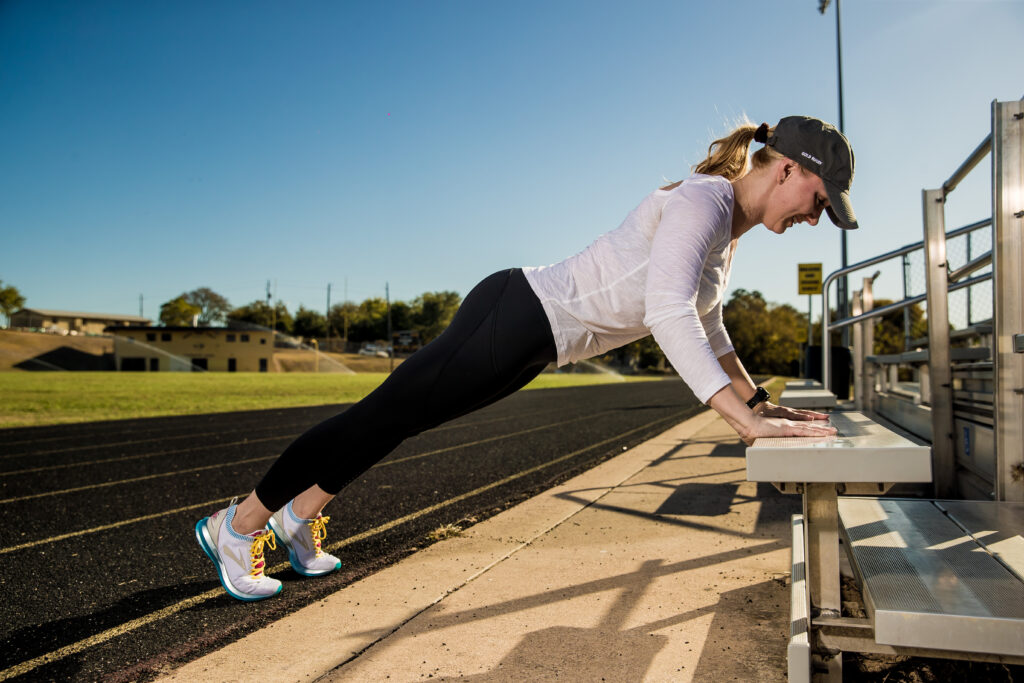

  • Bala power ring workout
    Bala Power Ring Workout (Full Body)
  • walking lunges for deadlift for lower body strength.
    The Best Lower Body Muscular Strength Exercises
  • deadlift barbell vs trap bar
    Deadlift Barbell vs Trap Bar: Which Is Better for Strength, Muscle, and Safer Pulling?
  • Things to do in Austin in April (2026)
    Things to Do in Austin in April (2026)
  • Client results and testimonials for trainer Kathryn Alexander
    Love Notes, Volume 5. Q1, 2026
  • Best garage gym fan. Drum fan in my garage gym. I love this one because it's easily portable.
    Best Garage Gym Fans 2026

Filed Under: Training

Austin Hiking Trails with Water (Summer 2024)

June 24, 2024 by Kathryn Alexander

Austin hiking trails with water, waterfalls, and gorgeous scenery are all around the city. From the heart of the city at Barton Springs to day trips in the Texas hill country, city nature lovers can find easy hiking trails with water all around Austin, Texas. 

If you’re reading this and feeling shoppy, check out this guide to Austin gift ideas.

The summer months here can be brutal, but we’ve had an exceptionally rainy season this spring. Because of this, many of the creek beds have a higher water level, which is perfect for enjoying nature and cooling off. 

Here are my top recommendations. Easy hikes, tougher ones, and just fun, pretty ones. Many of these make “my favorite trails in Austin” list, but I’ve saved my absolute favorite for last, which won’t come as a surprise to anyone who knows me. 🙂

Kathryn Alexander hiking at Emma Long Metropolitan Park, where you can find some of the best Austin hiking trails with water. Spring 2024

Barton Creek Greenbelt

The Barton Creek Greenbelt Trail is one of the most popular hiking spots in Austin, offering numerous swimming holes like Twin Falls and Sculpture Falls. The Greenbelt covers about 12.68 miles of trails suitable for all kinds of fun outdoorsy stuff, like hiking, biking, and rock climbing. The bike trails range from pretty easy to somewhat challenging, so research the specific part you are going to hike or bike beforehand. 

Trailhead: 2201 Barton Springs Road

Another entrance is 3755-B Capital of Texas Hwy, Austin TX 78704

Some of the most popular spots on the Barton Creek Greenbelt include:

Sculpture Falls

Sculpture Falls, which is one of the most popular swimming holes on the Greenbelt, offers a beautiful spot to swim, relax, and enjoy the natural surroundings. Twin Falls and Sculpture Falls are the quintessential Austin hiking trails with water. The easiest access point is from the trailhead at the end of Scottish Woods Trail.

Twin Falls

Twins Falls is on the main trail of the Barton Creek Greenbelt. It has two waterfalls, which you might have been able to figure out by the name. It is a great spot to swim, sunbathe, and even picnic. You can get to Twin Falls by parking on the trailhead at 360. Parking areas are on both sides of the access road, but they fill up fast in pretty weather.

Entrance: 3900 Mopac Frontage Rd., Austin TX 78746

If you’re reading this in the fall, check out what to do in Austin in September.

Gus Fruh Trail

The Gus Fruh Trail passes a swimming hole and rock climbing locations. I’ve actually never been to this one, but I hear it is less crowded than Sculpture Falls and Twin Falls.

Trail head: 2642 Barton Hills Dr, Austin, TX 78704

Campbell’s Hole

Campbell’s Hole is accessed from the Spyglass Drive trailhead, and it is a little quieter and less crowded. It’s not private, obviously, but it’s great for a more secluded experience than Twin Falls.

Entrance: 1500 Spyglass Dr., Austin TX 78704

Seismic Wall

Seismic Wall is known for rock climbing and is great for climbers are various skill levels. It is made of limestone cliffs, so it has some challenging climbs, but great views. I know nothing about rock climbing, but if that’s your interest, I encourage you to look it up for details on the routes. The Gus Fruh trailhead is the access point to reach Seismic Wall.

Hill of Life

The Hill of Life is a gorgeous, steep incline leading down to the water. It is one of the best hiking trails for both a challenge, and beautiful views. At the top of the trail, you get the great views, and at the bottom, you get the water in Barton Creek. Win win! Enter the neighborhood from Scottish Woods Trail.

The Roy and Ann Butler Hike-and-Bike Trail

Commonly known as the Roy Butler Trail, the Roy and Ann Butler Hike-and-Bike Trail is probably the most popular urban trail in Austin, Texas. Located in the heart of Austin, the train loops around Lady Bird Lake in downtown, providing a scenic and accessible 10-mile loop for hikers, runners, and cyclists. 

Because it is within the city limits, it has many access points and parking lots. Pretty much anywhere you would park to go to Town Lake, you can access the trail from. 

Points of interest along the trail include the Pfluger Pedestrian Bridge, Barton Springs Pool, Auditorium Shores, and the Stevie Ray Vaughan Memorial. Many of my favorite spots to look at the Austin skyline are along the Roy Butler Hike & Bike Trail. 

Zilker Park in Austin Texas.

Zilker Botanical Garden

The Zilker Botanical Garden is a gorgeous, curated 28 acres in the heart of Austin. It is in Zilker Park, but once inside, feels miles away. It features themed walking trails, which are well maintained and accessible. They are on the easy side, and are more like leisure walks than hikes. 

Examples are a prehistoric garden that replicates the times when dinosaurs roamed central Texas, a Japanese garden, rose garden, and butterfly garden. 

Located at 2220 Barton Springs Road.

Had enough of the heat and want to get indoors? Check out the best gyms in Austin, Texas.

Emma Long Metropolitan Park

Located along the shores of Lake Austin in west Austin, Emma Long Metropolitan Park is one of the city’s largest and most popular parks. It covers over 1140 acres, and features hiking trails, picnic spots, barbecue pits, and an open grassy park space for lounging and games, like corn hole and hackeysack. 

It was a great place to watch boats go by and just relax. If you looked down the river a bit, you could see a rope swing, people swimming, and soaking up sun.

I recently did a guided bird watching hike on the Turkey Creek Trail at Emma Long Park, and it was beautiful. It could have been a butterfly garden, for as many butterflies as we saw. The wildflowers were gorgeous in full bloom, and we might have even heard a golden cheeked warbler. 

Emma Long Metropolitan Park is located at 1600 City Park Road, about 10 miles northwest of downtown Austin.

Hiking trails with water, at Emma Long Metropolitan Park. Waterfall picture taken Spring 2024 by Kathryn Alexander

McKinney Falls State Park

This state park is known for its impressive waterfalls, including the Upper Falls and Lower Falls on Onion Creek. The park offers nearly 9 miles of hiking, and mountain biking trails, making it a great spot for both scenic views and refreshing water experiences. McKinney Falls Pkwy. Both Upper and Lower McKinney Falls feature many beautiful waterfalls.

5808 McKinney Falls Pkwy, Austin, TX 78744

River Place Nature Trail

This challenging trail includes multiple creek crossings and waterfalls, especially in the Little Fern Trail section. The trail is well-known for its scenic beauty and the 2,763 wooden steps that add a unique element to the hike. The full trail is over 5 miles, so set aside a few hours for this challenging, vertical hike.

8820 Big View Dr, Austin, TX 78730-1529

Bull Creek District Park and Greenbelt

This area features beautiful trails along Bull Creek, where you can spot wildlife and enjoy the flowing creek. The park offers a tranquil hiking experience with several access points to explore.

6701 Lakewood Dr, Austin, TX 78731

St. Edward’s Park

St. Edward’s Park provides a serene hiking experience with creeks and small waterfalls. The Creek and Hill Trail is particularly popular for its scenic views and peaceful environment. Though it’s not as well known, it’s definitely up there on the list of must-do Austin hiking trails with water.

7301 Spicewood Springs Road, Austin, TX 78759

Spicewood Valley Trail

This hidden gem offers an out-and-back hike with creeks, small waterfalls, oak trees, and limestone. It provides a quiet and delightful urban hiking experience.

8043-8585 Scotland Well Dr, Austin, TX 78750

Hikes With Water on the Outskirts of Austin

Krause Springs

Located in Spicewood, about 30 miles west of Austin, Krause Springs is a well-known camping and swimming site. It features 32 springs that feed into both natural and man-made pools. The trails around the springs offer a lush, scenic hike with plenty of opportunities to enjoy the water. Krause Springs has tent camping and RV camping sites. I haven’t been to Krause Springs in over 10 years, so if you go, please let me know how it is!

424 County Road 404, Spicewood, TX 78669

Hamilton Pool Preserve

Situated about 23 miles west of Austin, Hamilton Pool Preserve is a stunning natural pool created by a collapsed grotto. The preserve features a short but beautiful hiking trail that leads to the pool, where you can admire the 50-foot waterfall and swim in the emerald waters. It is one of the best waterfalls in Central Texas. Reservations are required to visit the nature preserve.

24300 Hamilton Pool Road, Dripping Springs 78620

The steps at Hamilton Pool Preserve. Picture taken by Kathryn Alexander of Alexander Training in summer 2023

Pedernales Falls State Park

Pedernales Falls State Park is a fantastic place to hike near the Austin area. Located about 30 miles west of the city, the park offers a variety of trails that cater to different skill levels and provide stunning views of the Pedernales River and surrounding landscapes.

If you’re willing to make a little road trip beyond the outskirts of Austin, and looking for some more challenging trails, Colorado Bend State Park is the perfect place for you. Colorado Bend State Park is west of Austin and north of Johnson City, about an hour and a half drive out.

Colorado Bend State Park

Colorado Bend State Park offers excellent hiking trails that are highly regarded for their scenic beauty and variety. Here are some of the best trails and features of the park.

Gorman Falls

Gorman Falls Trail leads to Gorman Falls, a 70-foot spring-fed waterfall. The 3 mile round trip hike is moderately challenging, with rocky terrain and a steep descent to the falls, but the view of the falls is well worth every bit of the climb! 

Spicewood Springs Trail

Spicewood Springs Trail follows the creek, offering multiple crossings and natural swimming holes along the way. The trail is scenic and relatively moderate, making it a favorite for those looking to enjoy water features and lush surroundings. The Spicewood Springs Trail is about 3 miles round trip.

The River Trail

The River Trail runs along the Colorado River, so you have beautiful views of the river, flora and fauna. This 1.5 mile hike is on the easier side. 

Lemon’s Ridge Pass

Lemon’s Ridge Pass is challenging, and covers a variety of terrain, ridges, and several miles of the park. It is 5.6 miles round trip, and is good for experienced hikers looking to see much of the park.

Cedar Chopper Loop

Cedar Chopper Loop is a longer hike, 7.5 miles round trip, and gives views of many types of landscape as well. It is moderately difficult but very scenic. 

Tie Slide Trail

Tie Slide Trail is 3.3 miles round trip, and is known for its expansive views of the Colorado River. The trail has flat and rocky parts, and is a moderate intensity, yet beautiful, hike. 

Colorado Bend State Park’s trails offer something for everyone, from easy river walks to challenging hikes with rewarding views and beautiful waterfalls. The park’s diverse terrain and natural beauty make it a top destination for hikers in Texas.

Some of these trails are tough. Need to get in hiking shape? Work with a personal trainer in Austin, Texas.

More Hikes* With Water** in Austin

Back to Austin! Here are a few more hikes in Austin, to help you pass some summer weekends. 

Mount Bonnell is a great, short hike. You can’t really get in the water here, but you have a fantastic, elevated view of the river. 

Blunn Creek Greenbelt Trail is also a quick hike in the city. It is 1.5 miles and relatively easy, but still a great escape into nature. 

** These two hikes above don’t really have water you can get in. They don’t technically count as Austin hiking trails with water, but they’re great urban escapes when you need a quick hike.

And finally, my favorite, Barton Springs!

Barton Springs Pool

Barton Springs Pool is no longer a hidden gem in Austin, sadly. Maybe it never was! It is still my favorite, and it’s well worth the trip and the parking and the hassle of sharing it with thousands of other people. 

Barton Springs is a natural springs that feels a natural pool. The water temperature is a consistent 68-70 degree all year round. The water quality is fantastic, and it just feels like magic every time. 

**If you count the short hike from the parking lot, then you can count this as a hike. It has two asterisks because it’s not really a hike. It’s just my favorite water spot in Austin. 🙂

Barton Springs Pool, my favorite place to get in the water in Austin, Texas

My Favorite Austin Hiking Trails With Water

So there you have it! Those are my favorite Austin hiking trails with water, the most popular, and highly rated in both Austin and Central Texas/Hill Country. 

If you’re bored with the rat race of city living, try adding in some hikes and picnicking/camping into your after noon or weekend routines. It’s great physical activity, moderate to higher than moderate cardio, and helps you connect with nature. 

Get on your hiking shoes, pack your water, and let me know what hikes you do! 

Austin hiking trails with water

Work With Me!

If you are looking for a personal trainer in Austin, I’d love to talk with you! If you are not in Austin, Round Rock, or central Texas, let’s talk about online training.

Message me here for a free consult about personal training in Austin, Texas, or here for online personal training, and we’ll discuss your goals, background, equipment availability, schedule, and exercise preferences.

Let’s get you strong and healthy! 💪


About the author

Kathryn Alexander is a strength coach and personal trainer in Austin, Texas. She loves hiking, college football, and the feel of a perfectly knurled barbell. Read more about Kathryn here.

  • Bala power ring workout
    Bala Power Ring Workout (Full Body)
  • walking lunges for deadlift for lower body strength.
    The Best Lower Body Muscular Strength Exercises
  • deadlift barbell vs trap bar
    Deadlift Barbell vs Trap Bar: Which Is Better for Strength, Muscle, and Safer Pulling?
  • Things to do in Austin in April (2026)
    Things to Do in Austin in April (2026)
  • Client results and testimonials for trainer Kathryn Alexander
    Love Notes, Volume 5. Q1, 2026
  • Best garage gym fan. Drum fan in my garage gym. I love this one because it's easily portable.
    Best Garage Gym Fans 2026

Filed Under: Austin

Should I Go to the Gym Everyday?

June 17, 2024 by Kathryn Alexander

Should I go to the gym every day? Should I go 3 times a week? More? How do I know what is best for me? 

Whether you should go to the gym every day or less frequently depends on your fitness goals, current fitness level, overall health, and what kind of training you are doing. As with everything in life, there is not a definite yes or no answer. Sorry- I wish it was that simple! 

But, I can walk you through and help you decide what is best for you! 

There are some reasons to go to the gym everyday, and there are some reasons that it makes more sense to do 3-5 gym sessions per week. 

Read below to see which applies best to you. 

Why You Should Not Go to the Gym Everyday

Like I mentioned above, some people’s goals aren’t conducive to going to the gym every day. If you are doing very heavy, or very intense training, you’ll probably want to take some rest days between training days. 

If you are doing a less intense workout plan and you don’t rest, you can do a lower intensity workout, active recovery, or other recovery method on some of your exercise days.

If your goal is weight loss, I encourage you to get regular exercise. In this case, you might go 3-6 days a week, and take a rest day. 

If your goal is to compete in a specific competition, you’ll probably be training hard. In this case, you’ll want to balance how much effort you can exert while maintaining energy levels needed for training.

Recovery When Going to the Gym Everyday

When you have reached the point where you are lifting very heavy weights, you’ll need more time for recovery and muscle growth between training sessions. Additionally, if you are training aggressively for a competition you’ll most likely be training intensely enough that you should NOT be training 6+ days a week if all sessions are at that intensity.

Without adequate rest, you risk overtraining, which can lead to injuries and burnout. This is especially applicable the more advanced you become as a lifter, and the stronger you are. 

Often, overtraining is under recovery. Our bodies can actually handle more than we think, provided we are eating good food in the right amounts, letting and/or facilitating physical recovery, and managing mental and emotional stress as well.

should I go to the gym everyday? 3-5 days?

Of course, if you have a coach, speak with your coach. If you would like to do a free consult to see if we would work together for your fitness goals, message me here. 

Not allowing for recovery can hinder progress.

Logistically speaking, going to the gym every day might not be sustainable in the long run and could lead to fatigue. 

Fun fact, many of my online and hybrid in-person/remote clients actually live in Austin, where I train clients in-person. It’s just hard to fit driving to the gym in many times a week. Many of these clients have built out a home gym or garage gym and meet me once a week or once a month, and then do the rest of their training at their home gym (or wherever they choose to have a gym membership).

Why You Should Go to the Gym Everyday

On the other hand, there are some benefits of going to the gym every day. Going to the gym every day can help build a consistent habit. This is very important for some people who thrive on consistency and routine. 

Exercise is also great for mental health, so daily workouts can be ideal for many people’s overall health.

This is also important if you have set a goal for yourself, and you need to keep your word to yourself. If this is the case, I would choose a time frame to commit to. It would be difficult to say you’ll go to the gym every single day forever. For a shorter amount of time, you can do it.

If this is you, and you want to go every day, that’s ok! This just means you should make a smart plan so that you have some workouts that are more intense, and some workouts that are not as tiring. 

If you love going to the gym often and love incorporating all the equipment in your training, read here about different barbells and how much they weigh.

What Type of Training Are You Doing?

Like I touched on earlier, what type of training you do every day has a large part in how often you should exercise. Do you do heavy resistance training every day, more general cardiovascular exercise, or hard HIIT workouts? 

If you are doing exhausting, full-body workouts or athletic prep, I highly recommend you have at least one day of enough rest. 

If you choose to do daily exercise, you can split up your weight training, or do different types of workouts like adding in yoga, Pilates, running, swimming, or other aerobic exercise. 

Common splits that hit the major muscle groups include:

  • Upper/lower body
  • Push/pull/squat style split
  • Bodypart specific like chest/arms/back/legs

Getting a variety of exercise types is actually a great way to improve overall health. Whether you use weight machines, free weights, or bodyweight exercises, the combination of resistance training, cardio, and general movement leads to many health and physical fitness benefits. It will help you maintain a healthy heart rate, minimize the risk of high blood pressure, and stave off heart disease. This variety of daily exercise will also help you maintain healthy muscle tone, build lean muscle mass, and keep body fat in a healthy zone.

Cardiovascular Training Physical Activity Guidelines

Real talk, I love lifting. I like strength training sessions much more than doing cardio. However, it feels good to feel good, and cardiovascular training is a crucial way to help you feel great and maintain your general health. 

The U.S. Department of Health and Human Services (Office of Disease Prevention and Health Promotion) currently recommends the following exercise guidelines: 

  • 150 minutes per week of moderate-intensity aerobic activity or 75 minutes per week of vigorous aerobic activity
  • Moderate intensity to high intensity resistance training twice a week

This combo is great for those looking to build and maintain general fitness. Of course, if you’re chasing specific fitness goals, you’ll spend more time on those. If you like rock climbing, practice rock climbing. If you are doing a triathlon, then practice running, swimming and biking, and make strength training your supplemental exercise.  In this case, you’ll probably be doing enough exercise that you won’t need to count total minutes of exercise or minutes of moderate aerobic activity.

Generally speaking though, for healthy adults, a fitness routine that includes a few days of cardio and 2-3 days of lifting will create a workout schedule that contributes to great heart health, cognitive function, and mental health. 

The above guidelines were sourced from The American Heart Association on 6/3/2024.

If you’re interested in more information about heart health, here’s a more in-depth science based article on how much exercise you need to do for optimal health.

Kathryn Alexander, personal trainer in Austin, does bleacher jumps on an east side track

Training Three – Five Days a Week

Instead of forcing yourself to go to the gym everyday, try a regular workout routine of 3 -5 days a week. There are some great benefits to training and resting on alternating days.

Benefits of training a few days a week include allowing time for your muscles to repair and grow stronger post workout. Three to five days of training per week allows this recovery and growth between, reducing the risk of overtraining and injury. If your main goal is muscle strength or muscle building, you’ll want to have rest days.

The recovery days also allow your central nervous system time to recover. Some types of exercise are more heavy on the nervous system, and some require less. Either way, taking a rest day is great for your muscles, joints and other soft tissue to recover as well. 

Other Benefits of Going to the Gym 3-5 Days a Week

Let’s be honest, life is busy! Going to the gym every day is tough on the schedule! Not everybody has that much time to spend. Going to the gym 3-5 days a week on a regular basis is a lot more feasible for many people. If your routine is more sustainable and easier to fit into a busy lifestyle, it will lead to better long-term adherence. 

That’s what you want, after all. You want to do this long term! Exercise forever, and you’ll feel great forever. 

Incorporating rest days also reduces burnout. Burnout is mental as well, not just physical fatigue. If you can stay mentally fresh and motivated, you’ll enjoy your workouts so much more. 

With fewer training days, each session can be more focused and intense, leading to better performance and results. Additionally, emphasizing quality workouts rather than the quantity can lead to more effective and efficient training.

Finally, having a little more time allows you to do more things like keep up your hobbies, spend time with family and friends, and just live a little more balanced lifestyle. A less demanding gym schedule can lead to the right balance of work and play, health benefits and rest, and we could all use a little more balance, I think. 

How Many Days Should You Go To The Gym?

Having read through this, what makes the most sense to you? You can probably tell by now that I’m a fan of taking some days off from the gym. Work hard, rest hard is my motto. 🙂

Choose an exercise plan, and commit to it. As you go, listen to your body. Pay attention to how you feel and if your training program is working for you. Do you feel worked, and sleep hard at night? Do you feel overdone, and hate going to the gym, and generally want to quit? 

Remember, if you do choose to go to the gym every day, some of your days can be lower intensity, stretching, recovery, etc. Give yourself some variety in your training so that you can have natural highs and lows in training intensity. Some days might be vigorous activity like heavy weights some might be brisk walking, and some might be lower intensity cardio exercise. 

Finally, consider working with a fitness professional or coach. Sometimes it’s hard to see the best way in our own path. A coach can create an effective plan for you give your goals, schedule, current fitness level, and gym access. 

Ultimately, finding a routine that works for you and is enjoyable is the most important thing in maintaining long-term fitness and health. Practice different styles of physical exercise until you find the balance of progress, enjoyment, and time spend exercising and at the gym. 

Work With Me!

If you are looking for a personal trainer in Austin, I’d love to talk with you! If you are not in Austin, Round Rock, or central Texas, let’s talk about online training.

Message me here for a free consult about personal training in Austin, Texas, or here for online personal training, and we’ll discuss your goals, background, equipment availability, schedule, and exercise preferences.

Let’s get you strong and healthy! 💪


About the author

Kathryn Alexander is a strength coach and personal trainer in Austin, Texas. She loves hiking, college football, and the feel of a perfectly knurled barbell. Read more about Kathryn here.
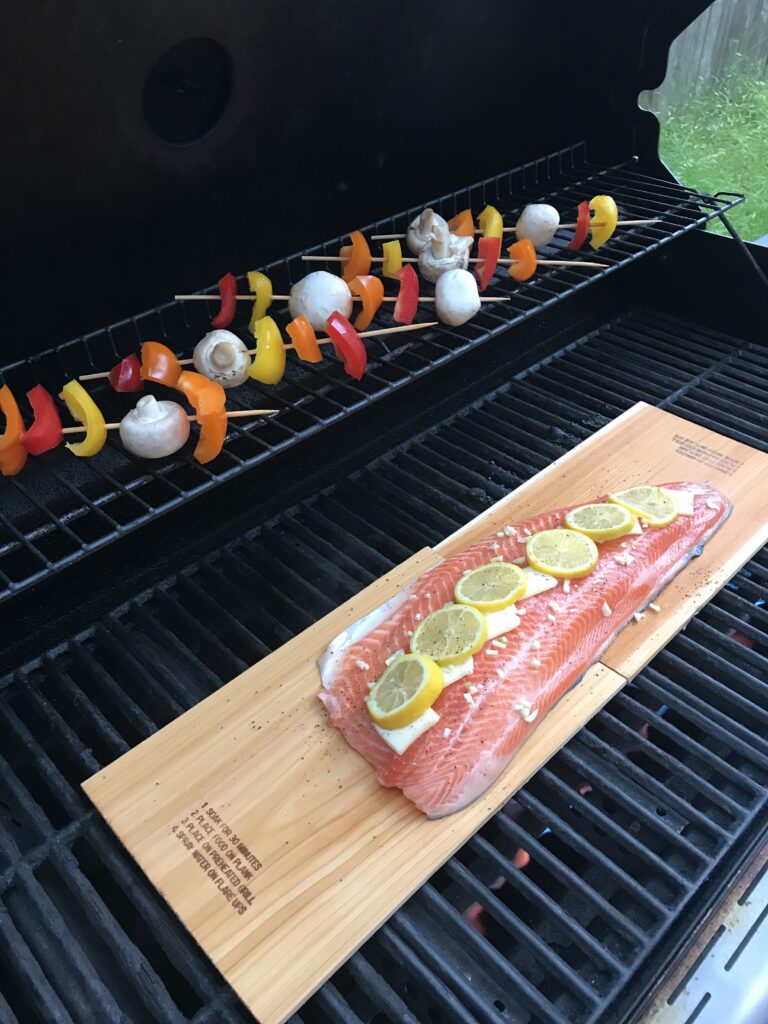

  • Bala power ring workout
    Bala Power Ring Workout (Full Body)
  • walking lunges for deadlift for lower body strength.
    The Best Lower Body Muscular Strength Exercises
  • deadlift barbell vs trap bar
    Deadlift Barbell vs Trap Bar: Which Is Better for Strength, Muscle, and Safer Pulling?
  • Things to do in Austin in April (2026)
    Things to Do in Austin in April (2026)
  • Client results and testimonials for trainer Kathryn Alexander
    Love Notes, Volume 5. Q1, 2026
  • Best garage gym fan. Drum fan in my garage gym. I love this one because it's easily portable.
    Best Garage Gym Fans 2026

Filed Under: Training

Full Body Band Workout at Home: 12 Best Exercises

June 10, 2024 by Kathryn Alexander

A full body band workout at home: the 12 best exercises for a complete resistance band workout. The closest thing you can get to having a full-body workout machine at home!

You probably know by now that I am a huge proponent of investing in your own home gym equipment, whether it’s resistance bands and some weights, or fully decking out a garage gym with barbells and equipment.

You can even learn bodyweight exercises and perfect them. I just think it’s hugely important to always be able to exercise. Specifically, strength training is important to be able to do regularly.

Today I’ll teach you a full-body resistance band workout. Resistance band workouts are great for so many reasons! Resistance bands are so portable: they’re lightweight and their compact design makes them easy to store and transport. They’re similar to the functional trainer at the gym, but you can take them with you wherever you go, whether it’s on vacation, to the office, or outdoors.

full body band workout at home: band ab work demonstrated by Austin personal trainer Kathryn Alexander

The Benefits of Resistance Bands

They offer a wide range of resistance levels, allowing you to easily adjust the intensity of your workouts by using different bands or adjusting the length of the band. This versatility makes them suitable for people of all fitness levels, from beginners to advanced athletes. Heck, you can even share bands in the same workout without the time or effort of adjusting weights/machine settings, etc.

My favorite bands are the kind pictured above, that I’m using in my garage gym. I prefer these laminated ones rather than the tubing. I’ve bought so many of these because I use them everywhere. (This is an affiliate link to the band I use. If you purchase through this link, I may make a small commission at no extra cost to you.)

Resistance bands are also relatively inexpensive, compared to most exercise equipment. You can get a full set of bands for a fraction of the cost of traditional gym equipment. They’re a great tool for a full body band workout at home.

You can set up your workout station even on the go, in a hotel room or outside. Bands don’t take up much space, but they give you the resistance you need for great training.

They allow you to work every muscle group in your body and perform a wide variety of exercises, including squats, lunges, chest presses, rows, bicep curls, shoulder presses, and more. Plus, you can easily modify exercises to make them easier or more challenging by adjusting your grip or stance.

This provides a smooth and controlled resistance throughout the entire range of motion, which can be gentler on your joints compared to free weights or machines. This makes them an excellent option for people recovering from injuries or dealing with joint pain.

Overall, resistance bands are a convenient, affordable, and effective tool for home workouts, allowing you to get a full-body workout without the need for a gym membership or equipment that takes up your whole garage so that you can’t park in the garage during random Austin hailstorms. Oddly specific, I know. 

The Full Body Band Workout

Below is a list of the 12 exercises that I recommend for a full body resistance band workout. Farther in the article is a description of how to do each, along with videos. 

  1. band pullaparts    
  2. band pullaparts pulldowns 
  3. squats with resistance bands
  4. banded push-ups
  5. banded rows
  6. standing banded shoulder press
  7. lateral band walks
  8. banded glute bridges
  9. alternating leg lifts with bands
  10. banded lat pulldowns
  11. banded bicep curls
  12. banded deadlifts

These exercises provide a full-body workout using resistance bands and can be easily modified to suit your fitness level and goals.

How to Do The Band Exercises

Band Pullaparts

These are classic band exercises. Pullaparts are great for back, shoulders, and good posture. To do the band pullapart:

  • stand tall
  • extend your arms in front of you, gripping a light band
  • keep elbows straight but not locked as you press your arms straight around your side
  • I prefer palms down but you can experiment with different hand positions
  • squeeze your shoulders behind you as you make a big wide sweep with your arms
  • press until the band touches your chest
  • control the return to your start position and repeat 

Band Pullaparts (Pulldown)

Upper body work is tough to do without pulling machines, but this is another great pulling band exercise.If it feels abstract with you, experiment until you can feel your lats (underneath your armpits) squeezing. BTW, I named these pullapart pulldowns. If you have a better name, please let me know. 🙏🏼

To do the band pullapart pulldown:

  • stand tall holding the band slightly wider than shoulder width
  • initiate the pull by squeezing your shoulder blades down
  • pull until the band is neck level
  • you can pull in front of your behind your head
Band pullaparts
Band pullaparts (pulldown)

Squats with Resistance Bands

The resistance band adds extra tension to target your glutes, quads, and hamstrings. This is one of the best lower body resistance band exercises. To do squats with resistance bands:

  • place the resistance band under your feet and hold the handles at shoulder height
  • perform squats by pushing your hips back and bending your knees
  • keep your feet flat on the ground
  • press your big toes into the ground as you drive back into your start position

Banded Pushups

Banded pushups are pretty fun! If you aren’t proficient with non-banded pushups, work on those first. These add a challenge, for sure. To do banded pushups:

  • loop the resistance band around your back and hold the ends in each hand while in a push-up position
  • perform push-ups while maintaining tension on the band, engaging your chest, shoulders, and triceps

Banded Rows

There are a few ways you can do rows with the band. You can do them standing, seated, and with the band anchored from wherever is secure. To do banded rows:

  • stand with the band anchored in front or you or sit on the floor with your legs extended and loop the resistance band around your feet
  • hold the ends of the band with both hands, palms facing each other
  • perform rows by pulling the band towards your torso, squeezing your shoulder blades together to engage your back muscles
  • again, I beg of you, make sure this band is secure! Please please don’t let it slip off and pop yourself in the face
resistance band rows

Standing Band Shoulder Press (Overhead Press)

I prefer to do this one arm at a time so I am going to give you directions that way. To do the standing band shoulder press:

  • stand with your right foot on a light band
  • keeping your entire body engaged, hold the band in your right hand and press your right hand toward the ceiling
  • control to your start position and do as many reps as you plan
  • from there, repeat, stepping on the band with your left foot and pressing with your left arm
  • please make sure you are stepping on this securely! I do not want you to be on a blooper reel!

Lateral Band Walks

This exercise strengthens your hip abductors and glutes, improving hip stability. Also lights a nice little fire in your quads if you maintain that squat position. To do lateral band walks:

  • place the resistance band around your ankles OR under your feet, and assume a quarter-squat position. You can squat a bit more than I do in this demo video, for bonus points 🙂
  • step sideways against the resistance of the band, maintaining tension throughout the movement
  • drive with both legs; don’t just press into the band
  • maintain a straight line in your body, instead of leaning into the movement and bobbling back and forth
lateral band walks

Banded Glute Bridges

To do banded glute bridges:

  • lay on your back with your knees bent and feet hip-width apart, placing the resistance band just above your knees
  • lift your hips off the ground, squeezing your glutes at the top of the movement
  • lower your hips back down and repeat
  • this exercise effectively targets your glutes and hamstrings

Alternating Leg Lifts With the Band

This is one of my favorite ab exercises! In fact, I wrote a whole blog post about alternating leg lifts with bands here. These work abs and hip flexors together, which is fantastic for core and hip strength. To do the leg lifts with the band:

  • lay on your back with feet up, and hands on a band that is secured above your head
  • straighten your arms and tighten your whole core
  • use your abs to press your lower back into the ground
  • slowly lower your left leg all the way down and then back up
  • you can keep a slight bend in your knee if you need
  • repeat with your right leg, down and up before you begin again with the left leg
  • continue one leg at a time, maintaining tension into the band and through your whole core

If this is too tough to rig up at home, just do some planks and plank variations. More info here.

alternating leg lifts with band (for abs)

Banded Lat Pulldowns

Lat pulldowns are notoriously hard to repeat at home. However, if you can find a place to anchor your band, then you are good to go. A great option here is to vary your anchor point; if you can pull from a higher position, and medium position, that’s fantastic for your back. To perform the band lat pulldown:

  • attach your band securely as high as possible
  • step back and hinge over so your band is originating from above your head now
  • squeeze your shoulders blades down and follow with your elbows
  • pull elbows toward your hips, not behind you-squeeze your lats hard at the bottom of the movement
  • reverse the movement, beginning with extending your elbows, then allowing your shoulder blades to move upward again
Band lat pulldowns

Banded Biceps Curls

The bicep curl is also simpler to do with dumbbells; however, the resistance band bicep curl has the benefit of maintaining resistance throughout the whole movement. To do the banded biceps curls:

  • stand with both feet on the band (again, securely!)
  • ggrip the top of the band with both hands
  • you can take a neutral grip, meaning palms face each other, or you can keep your palms facing up (supinated position)
  • tighten your shoulders back and hold in this position, as you straight your elbows, and then bend elbows to curl up
  • return to your start position and do as many reps as you’d like

Banded Deadlifts

I saved one of the coolest for last! I really love this one, and it feels great! Hands down, my favorite exercise during a full body band workout at home. To do the banded deadlift:

  • stand over an appropriately resistant band-grab the center of the band, choking up if you need to increase the resistance
  • keep your whole trunk engaged and neutral
  • bring your hips toward the ground and grab the band
  • keeping your arms straight and your trunk unmoving, squeeze your glutes and grab the ground with your toes
  • press the ground away from you as you stand all the way up
  • reverse the movement to return to your starting position
Banded deadlift. Deadlifts with the band are inexplicably fun. Try it!

Bonus Band Lift: Pallof Press

OK here’s a bonus lift, your baker’s dozen: The Pallof Press. I just couldn’t narrow them down! Take care to maintain your feet shoulder-width apart here. If you find yourself taking a really wide stance and bending your knees excessively, you’ll be taking work away from your core. That’s not necessarily a wrong position! It’s very stable! But here, you’re trying to make your torso do the stability, so don’t let your legs take all the work. To perform the Pallof press:

  • stand upright with a band secured at your side, at chest level
  • grab the band with both hands in front of your sternum
  • step sideways into pressure from the band
  • press straight out in front of you and control your return to start position
  • do not lean into or reach into the press
Pallof press with a resistance band

How to Incorporate These Resistance Band Exercises

You can do these exercises all in a row, making it a giant full body workout. You could also do the upper body ones as a standalone upper body day, and similar with the lower body exercises if you’d like to make it a leg day. If you do that, I suggest doing the alternating leg lifts and Pallof press on either or both days. 

I suggest starting each exercise pretty lightly, and getting high reps to start with. Aim for 15-20, and see how you respond. Rest, and repeat. Keep practicing, and you’ll perfect your full body band workout at home.

More Notes About Using Resistance Bands

As I have mentioned, the resistance bands are a great way to get full body bands workouts at home or hit all the major muscle groups at home or while you’re traveling. They are just an effective way to do strength training in general. However, we need to buy quality bands and maintain them so that they are safe.

Always inspect your bands before you use them for any tearing or fraying. Do not loop bands around anything sharp that will cut or dig into them. Be careful if you leave them outside because they weather and tear faster. In fact, just bring them inside. They don’t take up much space so you could even throw them under the couch, in a drawer or any other little small space.

If you want to skip the band entirely, here’s a fun workout you can do at home without equipment.

full body band workout at home: the Pallof press demonstrated by Austin personal trainer Kathryn Alexander

Ways to Increase the Challenge of Resistance Bands

Unlike working with barbells, dumbbells or machines, you can’t just set the weight higher with exercise bands. Some bands are labeled with pounds of resistance, but that’s kind of ambiguous. Besides, as they get older and more worn, that number changes. So how do you progress? There are many ways to increase the challenge of resistance band work:

You can add reps if you’d like an increased challenge. 

You can do mechanical drop sets, which means hold the band tighter, for 10 or so reps, then adjust your grip so it is looser. Then do 10 more reps. Then adjust again, reducing resistance. The culmination of 30+ reps will get you! 

Of course, if you have a set of resistance bands and not just one, you can choose the thicker bands for greater resistance.

You can add pauses at the point of resistance, so you are working the entire time and increase your time under tension. 

12 Exercises for Full Body Band Workout At Home

So there you have it! Twelve of the best resistance band exercises for at-home workouts! Resistance band training is really all about getting creative! Whether you have mini bands, power bands, heavy bands, the small looped bands, experiment with what works best for you.

Because resistance bands require you to stabilize your body and engage your core muscles to control the resistance, they help improve your overall strength, stability, and balance, which translates to better functional fitness for everyday activities.

The best resistance band workout is one that gives you a little work, some strength training, and gets you toward your fitness goals. Let go of the idea that it needs to be perfectly counted and structured, and focus on what works for you. 

Want a Bump Up from Band Work?

If you have some more exercise equipment like medicine balls, adjustable dumbbells, a jump rope and even a yoga mat, you can add in some extra exercises to increase your heart rate and bump up the intensity of your session.

Check out The Home Team if you have a few pieces of home gym equipment and prefer to exercise from the comfort of your own home. You don’t need a large multi-station home gym or power rack for this workout program.

A basic home gym setup of bands, a medium pair of dumbbells and one heavier weight (dumbbell or kettlebell) will do. They’re super fun, but no squat rack required.

The above links are affiliate links to products & brands I actually use, which may make me a small commission at no extra cost to you.

Work With Me!

If you are looking for a personal trainer in Austin, I’d love to talk with you! If you are not in Austin, Round Rock, or central Texas, let’s talk about online training.

Message me here for a free consult about personal training in Austin, Texas, or here for online personal training, and we’ll discuss your goals, background, equipment availability, schedule, and exercise preferences.

Let’s get you strong and healthy! 💪


About the author

Kathryn Alexander is a strength coach and personal trainer in Austin, Texas. She loves hiking, college football, and the feel of a perfectly knurled barbell. Read more about Kathryn here.
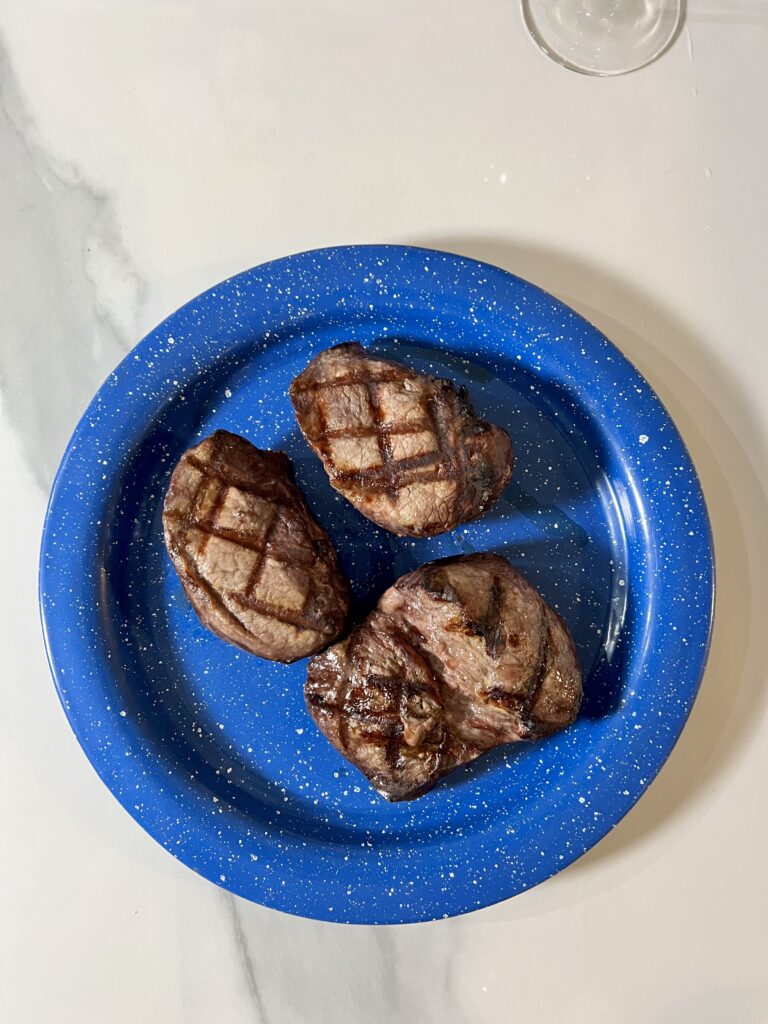

  • Bala power ring workout
    Bala Power Ring Workout (Full Body)
  • walking lunges for deadlift for lower body strength.
    The Best Lower Body Muscular Strength Exercises
  • deadlift barbell vs trap bar
    Deadlift Barbell vs Trap Bar: Which Is Better for Strength, Muscle, and Safer Pulling?
  • Things to do in Austin in April (2026)
    Things to Do in Austin in April (2026)
  • Client results and testimonials for trainer Kathryn Alexander
    Love Notes, Volume 5. Q1, 2026
  • Best garage gym fan. Drum fan in my garage gym. I love this one because it's easily portable.
    Best Garage Gym Fans 2026

Filed Under: Home gyms, Training Tagged With: home gym, home training, home workouts

1 Month Body Transformation: Maximizing Your Results

June 3, 2024 by Kathryn Alexander

Aiming for a 1 month body transformation is a pretty aggressive, big goal. I encourage all my clients to think of exercising as something you’ll do forever. Like, for-ev-verrrr. Most often, when my clients are stuck and aren’t seeing the progress they want, the answer is to just keep going. Keep working hard, for more weeks and months. 

However, I understand the desire to want a lot of progress quickly. Getting noticeable results quickly can even jump-start your motivation and desire to commit to your exercise routine. Who wouldn’t want to see muscle growth, weight loss, increased energy level and health changes in a month?

1 month body transformation by Austin personal trainer Kathryn Alexander
…and be sure you take pictures to document all your work after your 1 month body transformation

But again: a month is quick! To make the most significant body transformation in one month, you’ll need a focused and intense approach that combines optimal training, nutrition, and recovery strategies. Here’s a detailed plan to achieve this.

Set Actionable Goals (Procedural Goals)

Many fitness articles will tell you to set outcome goals, such as “I will lose 10 pounds this month” or “I will decrease my body fat by 3%”. 

I really dislike these. 

I encourage you to set procedural goals instead of outcome goals. What is the difference? Procedural goals focus on the specific steps or procedures required to achieve an objective. They are what you do. 

Outcome goals focus on the end result or the final achievement that you are aiming for. 

Note: you can have outcome goals, of course. I want you to more heavily weigh the procedural goals, because remember, the procedural goals are the ones that will get you to the outcome. Do the procedural goals and you’ll get there! 

Procedural Goals 

Procedural goals focus on the methods, steps, and processes that you will follow. Success with procedural goals is measured by adherence to the process and steps. This involves following short-term, daily, or weekly tasks.

Outcome Goals

Outcome goals focus on the end result, emphasizing only the outcome. Outcome goals are often not particular on how you arrive at the goal, so long as you meet it. These often have a distinct finish line.

Check out my client Tony’s 1 month transformation here.

Tony, client of Kathryn Alexander (Alexander Training) earned a transformation that yielded big weight loss and big strength gains.
Tony showing his progress in a side view.

How to Set Goals

What this difference between procedural goals and outcome goals means for you while you are doing your 1 month body transformation challenge, is that by setting procedural goals, you will have a plan to follow. 

You won’t have a binary “won” or “lost”, “accomplished it” or “failed”. You’ll have a set workout routine and healthy diet or meal plan that you follow. You will have made good decisions and see real results no matter what. 

You won’t have starved and beat yourself down just to lost 5 pounds. You will have made real progress if you establish a strength training plan, add in some cardio, eat well and rest well. You will have made big changes no matter what, and you’ll see the health benefits. 

How To Make a 1 Month Body Transformation

Ok, time for real talk: as I mentioned before, 1 month is a short period of time to see significant change, but you can absolutely make change happen. Here’s what I would do:

  • Strength training (full body, compound exercises)
  • HIIT workouts (high intensity interval training)
  • Steady state cardio (low or moderate intensity)
  • A healthy diet that includes enough protein and the optimal caloric range
  • Get enough protein (worth a repeat)
  • Rest! R&R
A 1 month body transformation will take athletic work, strength training, resistance training, a good diet and rest.

This is assuming you are healthy enough for all of this. I would NOT start from no exercise to heavy heavy weights, HIIT workouts, or 5+ high intensity sessions a week. Your fitness level does matter here!

Start moderately and build from there. It will be much faster in the long run to build a foundation for a few weeks, and then increase your output.

Here is a training plan I made to start at a foundational level: Square 1.

Strength Training Plan

Again, this is assuming you are currently lifting and not a beginner. If this is the case and you are making a 30-day push or following a 30-day fitness challenge, be smart about it. 

So what is the best strength training plan to build muscle mass and increase fat loss? The best plan will training your whole body, hitting all muscle groups. It will include compound exercises like squats, deadlifts, lunges, bench press, overhead press, rows, and pull-ups.

I’d also like you to add in athletic movements like sled pushes, ball throws, and squat presses. 

You can see progress with a variety of rep ranges in your weight training plan. There is so much talk about high-rep workouts, low-rep workouts, etc, but there is no perfect rep range for specific progress. If you are pushing an increase in cardiovascular fitness and looking to change body composition, I’d encourage you to do 8-15 reps. 

Rep ranges in the 1-5 range are more for tradition strength workouts. Strength will take longer to build than just 1 month. You can build some strength in one month, but it’s more likely you’ll be able to push change in body composition in one month.

Picking a Strength Training Program

So what is the best workout routine for a 1 month body transformation? If you work hard and do intense workouts, many many programs can help you see change. Don’t get caught up in all the details.

Find a smart program, of course, but most importantly, put in hard work. 

If you have the ability to work with a trainer, do that. A trainer can help you write an exercise routine specific to you, can help you use the equipment to the beset of your ability, and help you perfect form so you can workout the best way, safely and effectively. 

How to find the best personal trainer for you.

Nutrition Plan

What do you eat to optimize results during a 1 month body transformation? There are a few basic tenets here, but I do highly recommend you work with a dietitian like Lindsey Ray of Eat Pray Lift Nutrition.

Briefly, here are some guidelines to follow with your nutrition. 

  • Caloric Surplus/Deficit: Depending on your goal (muscle gain or fat loss), maintain a caloric surplus (500-700 calories) for muscle gain or a moderate deficit (500 calories) for fat loss.
  • High Protein Intake: Consume 1.6-2.2 grams of protein per kilogram of body weight daily to support muscle growth and recovery.
  • Balanced Macronutrients:
    • Carbohydrates: 4-6 grams per kilogram of body weight for energy and glycogen replenishment.
    • Fats: 0.8-1 gram per kilogram of body weight for hormone regulation and energy.
  • Hydration: Drink 2-3 liters of water daily to stay hydrated and support muscle function. This might be more if you are larger and/or work a physically active or hot job. Looking at you, Austin firefighters, and yall in construction and building/home maintenance.

High Intensity Interval Training (HIIT)

HIIT, or High-Intensity Interval Training, is a form of exercise that alternates between short bursts of intense activity and periods of less intense activity or rest. The main idea is to push your body to near its maximum output for a brief period, then allow it to recover slightly before repeating the process. This type of training can be applied to various forms of exercise, including running, cycling, strength training, and bodyweight exercises.

Key Features of HIIT:

  1. Intensity: HIIT workouts are typically characterized by short bursts of intense activity, often around 80-90% of your maximum heart rate.
  2. Intervals: The high-intensity periods are interspersed with low-intensity recovery periods or complete rest. For example, 30 seconds of sprinting followed by 30 seconds of walking or resting.
  3. Duration: HIIT sessions are usually shorter than traditional workouts, often lasting between 15 to 30 minutes, but they can be highly effective despite their brevity.
  4. Variety: Exercises in a HIIT workout can vary widely, including cardio, strength training, and plyometrics. This variety helps to keep the workouts engaging and targets different muscle groups.
  5. Efficiency: HIIT is known for its efficiency in burning calories and improving cardiovascular fitness in a shorter amount of time compared to traditional steady-state cardio exercises.

HIIT is a fantastic way to make progress on your body composition. Again – please be active and ready to do HIIT safely. Speak to your doctor to be cleared for exercise, and don’t start HIIT if you are currently sedentary. Build your foundation with steady state cardio first. 

Steady State Cardio

Steady-state cardio is a type of cardiovascular exercise where you maintain a consistent, moderate level of intensity over a prolonged period. This contrasts with high-intensity interval training (HIIT), where the intensity varies. Steady-state cardio can be performed through activities like jogging, cycling, swimming, or rowing at a steady pace.

Note that steady state cardio can be at different intensities. It won’t be HIGH intensity, but it can be very low (low intensity steady state, or LISS) or medium intensity. Both will keep a steady heart rate and can improve blood pressure.

Key Features of Steady-State Cardio:

  1. Consistency: The intensity level remains constant throughout the workout.
  2. Duration: These sessions typically last longer, often between 30 to 60 minutes or more.
  3. Moderate Intensity: The exercise is performed at a moderate intensity, usually around 50-70% of your maximum heart rate.

Benefits of Steady-State Cardio:

  1. Improved Cardiovascular Health: Regular steady-state cardio strengthens the heart, improves circulation, and reduces the risk of heart disease.
  2. Increased Endurance: Helps build aerobic capacity and endurance, allowing you to perform physical activities for longer periods without fatigue.
  3. Calorie Burning: Effective for burning calories and aiding in weight management or weight loss.
  4. Lower Injury Risk: Generally lower impact and less intense compared to HIIT, reducing the risk of injury, especially for beginners or those with joint issues.
  5. Stress Reduction: Can be meditative and relaxing, helping to reduce stress and improve mental health.
  6. Consistency and Habit Formation: Easier to maintain and incorporate into a regular fitness routine due to its less intense nature.

Example of a Steady-State Cardio Workout:

  • Jogging: Running at a consistent, moderate pace for 30-45 minutes.
  • Cycling: Biking at a steady speed for 45-60 minutes.
  • Swimming: Swimming laps at a consistent pace for 30 minutes.
  • Elliptical: Using the elliptical machine at a steady rate for 40 minutes.

Rest and Recovery

If you are working hard on a 1 month body composition change, you’ll obviously be pushing hard. To recover from all this physical work, you’ll need to prioritize quality rest. 

This is not optional. This is a must-have essential component. It always is, especially during times of hard physical work. 

Aim for 7-9 hours of sleep per night for optimal recovery and muscle growth. Develop great sleep habits like limiting overhead and bright lighting in the hours before bed, and sleeping in a dark, quiet bedroom.

What Is Your Plan for Body Transformation?

If you have a good plan and have decided a hard push for a 1 month body transformation is for you, then I am 100% in support of this! Make your plan, execute on it, and be proud of yourself for all your hard work! 

If you would like help with the details of your training plan, I’d love to do a free consult. You might not want to do a hard 1 month push. Another plan might work for you better. Let’s discuss! 

Work With Me!

If you are looking for a personal trainer in Austin, I’d love to talk with you! If you are not in Austin, Round Rock, or central Texas, let’s talk about online training.

Message me here for a free consult about personal training in Austin, Texas, or here for online personal training, and we’ll discuss your goals, background, equipment availability, schedule, and exercise preferences.

Let’s get you strong and healthy! 💪


About the author

Kathryn Alexander is a strength coach and personal trainer in Austin, Texas. She loves hiking, college football, and the feel of a perfectly knurled barbell. Read more about Kathryn here.
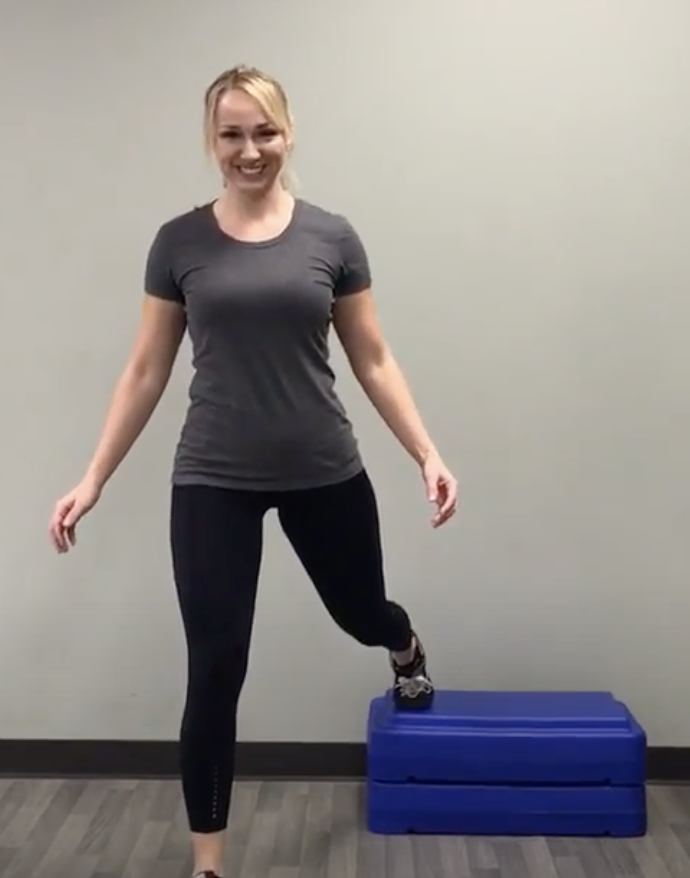

  • Bala power ring workout
    Bala Power Ring Workout (Full Body)
  • walking lunges for deadlift for lower body strength.
    The Best Lower Body Muscular Strength Exercises
  • deadlift barbell vs trap bar
    Deadlift Barbell vs Trap Bar: Which Is Better for Strength, Muscle, and Safer Pulling?
  • Things to do in Austin in April (2026)
    Things to Do in Austin in April (2026)
  • Client results and testimonials for trainer Kathryn Alexander
    Love Notes, Volume 5. Q1, 2026
  • Best garage gym fan. Drum fan in my garage gym. I love this one because it's easily portable.
    Best Garage Gym Fans 2026

Filed Under: How To, Training

Lower Back Pain from Squats? What You Can Do

May 28, 2024 by Kathryn Alexander

Squats are one of the most important lifts to train, both because of their ability to change the physique, and because of the phenomenal carryover to real life movement. Squats are an essential movement pattern.

Need to sit down and not PLOP on the couch? That’s a squat. Want to increase your speed and power for sport? Squats can help with that.

Want to maintain your independence for your whole life, ie, not get stuck on a low chair or a toilet? Fill out your jeans a little more? Make your hikes feel stronger? Squats. 

Despite their stellar benefits to health and performance, squats are often blamed for low back injury. In reality, squats do not cause low back pain. Poorly executed squats can cause low back pain. 

Read on for how to maximize your squat performance and squat technique so you can build your strength, change your body, and prevent pain. 

Lower back pain from squats? What you can do.
Having lower back pain from squats? What you can do.

Why You Might Get Lower Back Pain After Squats

Squats are a full body lift. They heavily involve legs, glutes, back and core. Done properly, squats integrate the whole body in a natural movement. It usually becomes apparent when one piece is a weak link. For example, many people’s legs can handle more than their core (abs and lower back) can.

Note that there are many types of squats. People usually think of the barbell back squat when they hear squats, but there are many ways to squat.

Sometimes lifters have great form, and relatively weak core muscles. They can see great progress if they work on bringing their core strength and upper back strength up to speed. Other times, lifters have poor form that doesn’t necessary cause back pain, but can limit progress. Finally, a common mistake is that some lifters use poor technique that actually can cause back pain.

Also unforunately, sometimes people just do stupid stuff in the gym. Not warming up properly, adding too much weight to the bar from one set to the next, and trying to go heavy too frequently can all have suboptimal results, including lower back pain after squats. 

Barbell rows are a great exercise for strengthening your whole back. Here’s a solid tutorial on how to do barbell rows.

How to Avoid Lower Back Pain After Squats

The best ways to avoid lower back pain from squats are to learn proper technique for your warm ups, work on perfecting your form, and follow a well designed program. 

The warm up is not just about getting warm; it is much more important than that. The warm up is a physiological process to get your nervous system engaged, get your joints moving, and increase your heart rate and blood flow for the upcoming exercise. By warming up properly and working up in weight with exercise specific warm ups, you’ll actually be able to do more work and better work. 

Let me repeat: warming up well is a performance enhancement strategy. Trust me!

Perhaps the most important way to prevent and avoid lower back pain is to learn to squat with optimal form. Every person’s squat will look different because of differences in limb length and individual build, but every individual has an optimal squat form.

Learning proper form will help you use your legs and glutes as they are intended to be used in the squat, allowing your back to be used in the way that it is intended. This way your back is not overcompensating for not using your prime movers (the leg and glute muscles) as they should be during the squat. 

Find a Good Squat Program

Finally, follow a good program written by an experienced coach. People who wing it without a program often lift heavy loads too often, too light, infrequently, miss major muscle groups, or skip assistance exercises that help you prevent injury. I recommend programs by Aaron Ausmus of Pen and Paper Strength App and Zack Phillips of ReadyUp Athletic Development. I would be honored to help you with a program as well. Check out these or contact me about a custom program written for your goals.

How Different Squats Can Help You

When you think of squats, you probably think of barbell squats, and probably back squats. This is when the bar is on your back (very creatively named) as opposed to front squats, which is more Olympic/weightlifting style. I like both and I encourage you to practice both!

Back squats cause more of a hinge at the hips, which is fine and safe! IF your back is tender, however, these might be less comfortable.

In that case, elevate your heels and do front squats. This will allow you to stay in a more upright position through your spine.

Both front and back squats are great lower body work, whichever you do. Also with both, maintain good form, light enough weight for a big range of motion, and an engaged core and neutral spine.

Final Notes on Squat Form

It is easy to get lost in the weeds with squats and squat form. The easiest way to do this is to find a million YouTube videos that tell you you have anterior pelvic tilt, posterior pelvic tilt, butt wink, tight hip flexors, tight hips, poor ankle mobility, lifting too heavy and squashing your lumbar spine, or a million other major issues people love to split hairs about.

Good technique is always easier to maintain with lighter weight, of course. But, you do want to build your strength and progress to being able to lift heavy weight. The best way to do this is to start light and practice ideal squat mechanics deliberately.

Yes – most people can improve their squat position and technique, but the benefits of squats hugely outweigh the risks. Remember – you can start light! You should start light in the first place. Squats don’t have to be scary! They aren’t some dangerous exercise that will break you. In fact, the good news is, squats done the right way will make your life so much better!

How to Recover From Lower Back Pain Caused by Squats

Squatting is a natural movement and most people can find a way to do it pain free. If you suspect you are having lower back pain caused by squats, then something must change. In the short term, back off squats, especially if you are doing barbell squats and are going very heavy. Do not stop your movement, though! This is not a free pass to stop exercising. 

If the pain is exceptionally bad, please contact a doctor or a physical therapist. The following advice applies to pain that is manageable and is not medical advice. 

Movement is good for the body, so continue movement by walking, swimming or other low impact exercise. You can add in unweighted squats as a test to see how it feels. If you’d like to bump it a notch, you can add lunges or stationary lunges. While lunging, the back can typically remain upright, which is generally a safe position. 

Add in movements such as the McKenzie press, child’s pose, unweighted reverse hyperextensions, back extensions and dead hangs. The spine is made to move through spinal flexion and extension in conjunction with a strong core. With a strong back and core, risk of muscle strain is lessened and lumbar discs are protected.

You can also look at other factors in your life that might be contributing to lower back pain. Do you have good posture when you sit, and do you have an ergonomic setup where you spend most of your work day? Check out your mattress too. Ideally you spend 8 or so hours there each night. It is important that you don’t sleep in a funny position in that little dip that develops as mattresses age. 

This glute exercise can strengthen glutes and help reduce back pain

Most importantly, remember that this too shall pass! Keep a positive attitude and look to athletes and people you know who have come back from injuries. Your body is always actively working to heal you – help it as much as you can! 

Benefits and Variations of Squats

Because squats use so much of the body, they can be very taxing on the nervous system, and thus send a large signal to the body to adapt. In other words, when you challenge yourself on squats, they feel hard because they are hard! 

One way to avoid injury and overuse is to become proficient in squat variations. This will develop your strength in many ways, at varying angles, and help prevent overuse injuries. Practice goblet squats, dumbbell squats, barbell squat, deep squats, full squats. These are some of the best exercises, and when you can do these movements well, you’ll decrease your risk of injury, chance of knee pain, work through mobility issues, and get stronger.

Check out this post about 7 squat variations you can do with little equipment.

Keep Squatting to Build a Strong Back!

When done correctly in a well written program, lower back pain from squatting is rare. In fact, squatting correctly does wonders for strengthening your back and preventing low back pain and injury. 

While it might take some time on the front end to learn and practice ideal squatting form, or trouble shoot your current squat form, it is well worth the effort to be strong. 

Accessory Work for Lower Back

It is also an excellent idea to add in accessory work for your lower back. Some machines that you might see but not usually utilize at the gym can really help with supplemental lower back strength. These include the back extension and reverse hyperextension. You can read a detailed tutorial on these lower back machines here.

Enjoy lifting, my friends, and please be in touch if you have questions I can help you with. Kathryn@kathrynalexander.com 

Related: strong hamstrings can help keep your back pain free as well. Check out this leg curl machine to help build hamstrings strength.


Work With Me!

If you are looking for a personal trainer in Austin, I’d love to talk with you! If you are not in Austin, Round Rock, or central Texas, let’s talk about online training.

Message me here for a free consult about personal training in Austin, Texas, or here for online personal training, and we’ll discuss your goals, background, equipment availability, schedule, and exercise preferences.

Let’s get you strong and healthy! 💪

About the author

Kathryn Alexander is a strength coach and personal trainer in Austin, Texas. She loves hiking, college football, and the feel of a perfectly knurled barbell. Read more about Kathryn here.

  • Bala power ring workout
    Bala Power Ring Workout (Full Body)
  • walking lunges for deadlift for lower body strength.
    The Best Lower Body Muscular Strength Exercises
  • deadlift barbell vs trap bar
    Deadlift Barbell vs Trap Bar: Which Is Better for Strength, Muscle, and Safer Pulling?
  • Things to do in Austin in April (2026)
    Things to Do in Austin in April (2026)
  • Client results and testimonials for trainer Kathryn Alexander
    Love Notes, Volume 5. Q1, 2026
  • Best garage gym fan. Drum fan in my garage gym. I love this one because it's easily portable.
    Best Garage Gym Fans 2026

Filed Under: Training Tagged With: strength

Technology and Online Personal Training

May 8, 2024 by Kathryn Alexander

Technology and online personal training go together like honey + peanut butter 🙂 like chalk + power bars, like creatine and protein powder. Yes, technology has completely transformed the landscape of online personal training, offering innovative tools and platforms that enhance the effectiveness, accessibility, and convenience of online training. 

I bet you’ve tried some of these, and maybe some are new to you. Let me know which work for you! Here are several ways in which technology is revolutionizing the field of online personal training.

Using TrainHeroic to communicate with my online personal training clients.

Virtual Workouts

Technology enables trainers to conduct virtual workouts in real-time via video conferencing platforms such as Zoom, Skype, or FaceTime. This allows clients to engage in personalized training sessions from the comfort of their homes or any location with an internet connection.

Virtual workouts offer flexibility and convenience, eliminating the need for clients to commute to a gym or training facility. These are great if you want to work with someone who is not close to you geographically. 

Fitness Apps and Platforms

There are so so many fitness apps and platforms available that provide comprehensive training programs, workout routines, and exercise demonstrations. These apps often incorporate features such as customizable workouts, progress tracking, nutrition tracking, and goal setting, allowing trainers to deliver personalized training plans tailored to each client’s goals and preferences. 

Examples include apps like MyFitnessPal, Nike Training Club, and Fitbit Coach.

Note that many of these auto generate or use AI for their training programs. These are different than customized, coach written programs.

Online Coaching Platforms

Online coaching platforms connect clients with certified personal trainers and coaches who deliver customized training programs, nutritional guidance, and support remotely. These platforms facilitate communication, progress tracking, and accountability through features such as messaging, video calls, and progress photos.

Examples include platforms like TrainHeroic, Trainerize, TrueCoach, ProCoach by Precision Nutrition.

If you need to find an online personal trainer, these platforms are great places to start. You can see a coach’s specialty and samples of other programs they have made. For example, here are all my plans and programs on TrainHeroic. If you want to look further, here’s an in-depth article on how to find the best online personal trainer for you.

Technology and online personal training
Here are two my teams, or training plans, on TrainHeroic.

Wearable Fitness Technology

Wearable fitness technology, such as fitness trackers, smartwatches, and heart rate monitors, provide valuable data and insights into clients’ activity levels, heart rate, calorie expenditure, and sleep patterns. Trainers can use this data to monitor clients’ progress, adjust training plans accordingly, and provide personalized recommendations for optimizing performance and recovery.

Common examples of these are Whoop Straps, the Oura Ring, and even features of the Apple Watch.

Online Assessment Tools

Technology enables trainers to conduct remote assessments and evaluations of clients’ fitness levels, movement patterns, and health metrics using video analysis tools, online questionnaires, and assessment protocols. These assessments provide valuable insights into clients’ strengths, weaknesses, and areas for improvement, allowing trainers to design tailored training programs that address specific needs and goals.

Nutrition and Meal Planning Apps

Nutrition and meal planning apps offer clients access to personalized dietary guidance, meal plans, recipes, and nutritional tracking tools. Trainers can leverage these apps to educate clients about proper nutrition, support their dietary goals, and monitor their nutritional intake. Examples include apps like MyFitnessPal, Lose It!, and Lifesum.

Social Media and Online Communities

Social media platforms and online communities provide avenues for trainers to connect with clients, share educational content, and foster a sense of community and support. Trainers can use platforms like Instagram, Facebook, and YouTube to share workout videos, nutrition tips, motivational content, and client success stories, thereby enhancing engagement and accountability.

If you’re still wondering if online personal training is for you, check out this article about the benefits of online personal training. It might be worth exploring!

Technology and Online Personal Training

Technology has revolutionized online personal training by providing innovative tools and platforms that facilitate virtual workouts, deliver personalized training programs, track progress, support nutritional goals, and foster communication and community.

These advancements have made fitness more accessible, convenient, and effective for those seeking guidance and support in achieving their health and fitness goals.

TrainHeroic and Whoop Strap

I want to expand on the Whoop Strap and TrainHeroic. I’ve personally used both of these and found them very usable. 

All my clients use TrainHeroic, whether they are in person clients, online personal training clients, or a hybrid.

The Whoop Strap

The Whoop Strap is a wearable fitness tracker designed to provide insights into an individual’s physiological data, sleep patterns, recovery, and overall performance. Here are some ways people use the Whoop Strap:

  • Monitoring Physical Activity: Users wear the Whoop Strap throughout the day to track their physical activity levels, including steps taken, calories burned, and active minutes. The device uses built-in sensors to accurately measure movement and intensity of workouts.
  • Sleep Tracking: The Whoop Strap monitors sleep stages, including deep sleep, REM sleep, and light sleep, as well as sleep disturbances such as wake-ups and interruptions. It provides users with insights into their sleep quality, duration, and patterns, helping them optimize their sleep habits for better recovery and performance.
  • Recovery Tracking: Whoop uses heart rate variability (HRV) and resting heart rate (RHR) data to assess an individual’s recovery status. By analyzing these metrics, the device provides insights into the body’s readiness to perform, indicating whether an individual is fully recovered, moderately recovered, or under-recovered.

    Note here that although I think the HRV is fascinating and I enjoyed tracking it, I encourage you to still think for yourself. If you are feeling great and you are ready to train, you do not have to change your plan because your HRV was less than optimal. These metrics are a supplement to your decision making, remember; they do not make the decisions for you.
  • Strain Monitoring: The Whoop Strap calculates a daily “strain” score based on the intensity and duration of physical activity, providing users with a quantitative measure of their training load and exertion. Users can adjust their training intensity based on their strain score to optimize performance and prevent overtraining.
  • Performance Optimization: By tracking physical activity, sleep, recovery, and strain, Whoop helps users optimize their performance and achieve their fitness goals. Users can identify patterns, trends, and correlations in their data to make informed decisions about training, recovery, nutrition, and lifestyle habits.
  • Personalized Insights: Whoop provides personalized insights and recommendations based on an individual’s data, helping users understand how their behaviors and habits impact their health and performance. The device offers actionable advice and suggestions for improving sleep, recovery, and overall well-being.
  • Community and Social Interaction: Whoop users can connect with a community of like-minded individuals, athletes, and fitness enthusiasts through the Whoop app. Users can share their data, achievements, and experiences, as well as participate in challenges, competitions, and discussions related to fitness, health, and performance.

People use the Whoop Strap as a tool for tracking, analyzing, and optimizing their physical activity, sleep, recovery, and performance. By leveraging the insights provided by the device, users can make informed decisions about their training, recovery, and lifestyle habits to achieve their fitness goals and improve their overall well-being.

One more caveat about the Whoop Strap: I did find it measured cardiovascular strain better than it quantified lifting metrics. This is again an example of how we use this as a tool, and are not married to the data. Monitor it for yourself and see how well it quantifies your exercise.

TrainHeroic

If you’ve worked with me or read any of my blog posts, you’ve probably heard of TrainHeroic. TrainHeroic was made by strength coaches for strength coaches, and you can see that in it’s use and design. I’ve used it for many years and will continue for many more.

TrainHeroic is a comprehensive training platform designed to support coaches and athletes in achieving their fitness goals. It offers a range of features and tools tailored to enhance training programs and facilitate progress tracking. Here are some of the key features of TrainHeroic:

  • Customizable Training Programs: TrainHeroic allows coaches to create and deliver customized training programs tailored to the specific needs, goals, and fitness levels of their athletes. Programs can be designed for various sports, disciplines, and training modalities, including strength training, conditioning, powerlifting, weightlifting, and more.
  • Exercise Library: TrainHeroic provides an extensive exercise library featuring a wide range of movements, drills, and workouts with detailed instructions, demonstrations, and coaching cues. Coaches can easily select and incorporate exercises into training programs, ensuring proper form and technique.
  • Workout Builder: The platform offers a workout builder tool that enables coaches to design and schedule individual workouts or entire training sessions. Coaches can specify sets, reps, rest periods, intensity levels, and exercise progressions to create comprehensive and structured training sessions.
  • Performance Tracking: TrainHeroic allows athletes to log their workout results, track progress, and monitor performance metrics over time. Athletes can record data such as weights lifted, reps completed, distances covered, and times achieved, providing valuable insights into their training progress and improvements.
  • Data Analysis and Reporting: Coaches can analyze athlete performance data, track trends, and generate reports to assess training effectiveness and make informed decisions. The platform offers tools for visualizing data, identifying areas for improvement, and adjusting training plans accordingly.
  • Communication and Feedback: TrainHeroic facilitates communication and feedback between coaches and athletes through messaging, commenting, and feedback features. Coaches can provide guidance, support, and encouragement to athletes, while athletes can ask questions, seek clarification, and share feedback on their training experience.
  • Team Management: For coaches working with multiple athletes or teams, TrainHeroic offers team management features that streamline communication, programming, and administration. Coaches can organize athletes into groups, assign training programs, and monitor progress for each individual or team.
  • Mobile App: TrainHeroic offers a mobile app for both coaches and athletes, allowing users to access training programs, log workouts, track progress, and communicate on the go. The app provides flexibility and convenience for users to stay connected and engaged with their training wherever they are.

Overall, TrainHeroic provides coaches and athletes with a comprehensive set of features and tools to enhance training programs, track progress, facilitate communication, and achieve fitness goals effectively. Whether you’re a coach looking to optimize athlete performance or an athlete striving for personal growth and improvement, TrainHeroic offers a powerful platform to support your fitness journey.

Technology and Training for You

Work With Me!

If you are looking for a personal trainer in Austin, I’d love to talk with you! If you are not in Austin, Round Rock, or central Texas, let’s talk about online training.

Message me here for a free consult about personal training in Austin, Texas, or here for online personal training, and we’ll discuss your goals, background, equipment availability, schedule, and exercise preferences.

Let’s get you strong and healthy! 💪


About the author

Kathryn Alexander is a strength coach and personal trainer in Austin, Texas. She loves hiking, college football, and the feel of a perfectly knurled barbell. Read more about Kathryn here.

  • Bala power ring workout
    Bala Power Ring Workout (Full Body)
  • walking lunges for deadlift for lower body strength.
    The Best Lower Body Muscular Strength Exercises
  • deadlift barbell vs trap bar
    Deadlift Barbell vs Trap Bar: Which Is Better for Strength, Muscle, and Safer Pulling?
  • Things to do in Austin in April (2026)
    Things to Do in Austin in April (2026)
  • Client results and testimonials for trainer Kathryn Alexander
    Love Notes, Volume 5. Q1, 2026
  • Best garage gym fan. Drum fan in my garage gym. I love this one because it's easily portable.
    Best Garage Gym Fans 2026

Filed Under: Online Personal Training Tagged With: online personal training, personal training

Leg and Glute Home Workout For Lower Body Strength

May 6, 2024 by Kathryn Alexander

Here is a leg and glute home workout, for those times you can’t make it to the gym. 

Leg and glute workouts are the best! They’re so fun to do at the gym, but sometimes you want to do work from the comfort of your own home. Strong legs and strong glutes mean you can go hike, run, take on stairs easily, and you’ll keep lower back pain at bay.

There’s no reason not to work legs and glutes, the strongest muscles of the body. Try this leg and glute home workout, and let me know what you think! 

What Equipment You Need

This workout will assume you have some weights, maybe a pair of dumbbells or kettlebells, but not a barbell or machines. If you don’t have any weights or a resistance band, then you can do them all as bodyweight exercises. The weight and band resistance is just a bonus!

leg and glute home workout
A single kettlebell or dumbbell can be utilized well during leg and glute home workouts.

I’ll get right into the outline of the workout. Below that I will give explanations of how to do each exercise, including a video link. Finally, at the end of this article I’ll explain more about glute and leg anatomy if you’d like further reading. 

Leg day, commence!!

The Workout

Warm-up:

  1. 5 ish minutes of general movement (walking, jogging in place, high knees, bodyweight squats)
  2. Dynamic stretches for the legs and hips (leg swings, hip circles, lunging twists). Just enough movement to begin to feel looser and ready to work.

Main Workout:

  1. Squats:
    • Bodyweight squats: 3 sets of 12-15 reps
    • Progression: Goblet squats with a dumbbell or kettlebell
  2. Lunges:
    • Any variation you’d like (forward, reverse, or walking): 3 sets of 10 reps per leg
    • Progression: holding weights
  3. Bulgarian Split Squat
    • 3 sets of 10 reps per leg
    • Use a chair or elevated surface to rest one foot behind you while performing a split squat motion
  4. RDL:
    • 3 sets of 12 reps per leg
    • Progression: B stance RDL (directions below)
  5. Calf raises
    • 3 sets of 15 reps
    • Stand with feet hip-width apart and raise heels as high as possible, then lower back down
  6. Glute Bridges:
    • Bodyweight glute bridges: 3 sets of 15 reps
    • Progression: Single-leg glute bridges or weighted glute bridges, with a weight across your hips

How to do the Squat

If you can do this squat forever, you won’t get stuck on a low couch or in the restroom. You’ll keep your independence through old age. In my very first year as a certified personal trainer, before I even got a degree, I told a studio full of sorority girls this. Lol I STILL believe it! But, as you can imagine, the message didn’t land. Anyhow. It’s true.

You can add weight or reps to increase the challenge, but this alone will do wonders for your full body health.

To do the squat:

  • stand on a flat, level surface with both feet on the ground
  • keep your back straight and neutral
  • Upper body does not move; spine doesn’t flex or extend the entire time
  • arms in front of you-break at the hips to initiate squat
  • sit deep into heels-squeeze big toe into the ground as you stand

People often say to stand with feet shoulder-width apart for an ideal squat position, but I believe it’s better to be a bit wider. I’m comfortable with my feet wider. That’s fine too. As you squat, keep your knees big-toe width or wider. If you can do that, you can squat with as wide a stance as you’d like.

Also, every person squats differently, depending on leverages and angles of our femoral head in the hip socket, and other things we can’t even see. All my clients squat differently. Don’t force your squat to look like someone else’s.

Note that you’ll hinge forward from the hips as you squat. This is the correct way to squat. Do not get this confused with bad positioning. You cannot squat with your upper body in an upright position unless you use something like the sissy squat. Keep your back tight and neutral, no lower back rounding, and you’ll be ok. 

How to do Lunges

To do walking lunges:

  • from a tall standing position, step your right foot in front of you as if you are walking on railroad tracks not a tightrope
  • aim to land with a 90 degree angle in both knees
  • knee should be close to the floor but not touching
  • press into the ground through your heel and big toe, and squeeze your glutes to return to your starting position
  • repeat with your left leg. Do an equal number of reps on each leg

To do the reverse lunge:

  • from a tall standing position, step your right leg behind you
  • aim to land with a 90 degree angle in both knees
  • knee should be close to the floor but not touching
  • remember, you’re on railroad tracks, not a tight rope!
  • press into the ground through your heel and big toe, and squeeze your left foot into the ground
  • drive with your glutes to return to your start position

To do lateral lunges with feet stationary:

  • stand tall with legs approximately double shoulder width apart
  • bend into your right knee
  • keep your whole foot, including right heel on the ground
  • left knee will stay soft (slight bend) but straight-stand back up into the standing position
  • repeat on the left leg

You will feel this stretch on your inner thighs and that’s ok!

These are very similar to Cossack squats, which are a bit more advanced. If you’re more comfortable with those, you can do those here. 

Bulgarian Split Squats

How to do Bulgarian split squats:

  • set up facing away from a sturdy box, chair or bench
  • put one leg behind you, on the box
  • from here, bend both knees to accomplish the split squat
  • stop before your knee hits the ground
  • focus on the leg in front to do the work; make sure your whole foot is on the ground
  • squeeze your glutes, and drive your big toe in the ground as you come up
  • repeat for as many reps as you are performing
  • switch legs
Legs; Bulgarian split squat demo for exercise library
Bulgarian split squats, demonstrated by Austin personal trainer Kathryn Alexander

Tips for Bulgarian split squats:

  • you can put your toes on the bench, like I do in the video, or put your foot flat on the bench, with the top of your foot resting on the bench
  • situate your feet so that there is lateral stability between them
  • by this I mean, if you were to look down, your feet are as if you are on railroad tracks and not a tightrope
  • you might have to hop your front foot out to the side to accomplish this. You’ll feel more stable this way. 
  • you’ll probably find one side is more stable than the other. That is ok!

Here’s a full tutorial on how to do Bulgarian split squats if you’d like more details.

Romanian Deadlift with Dumbbells

To perform the RDL, Romanian deadlift, with dumbbells: 

  • stand tall with dumbbells in front of you
  • hold the dumbbells close to your body for the duration of the exercise
  • squeeze your back to keep it straight and neutral
  • push your hips behind you with knees soft
  • let your hamstrings stretch as you lower the weights, keeping them close to your legs. 

Romanian deadlifts can be tough to master. Remember it is a hard hinge! Keep practicing and it will make more sense to you. If you want more details, check out this whole post on how to do RDLs with dumbbells.

B Stance RDLs

The B-stance RDL, a staggered stance Romanian deadlift, is a fantastic lift that allows you to build strength symmetrically without the added challenge of also working balance. It’s comparable to single-leg deadlifts. Here’s how you do a B stance RDL:

  • set up with a kettlebell or dumbbell in your regular stance
  • position your right foot back at about the level of your left heel.
  • keep your torso at a hard neutral (no rounding or arching) and send your hips behind you
  • keep your hips level as you squeeze your glutes to stand back upright
  • add these as an accessory after your main lifts.

Here’s a full tutorial on how to do B stance RDLs. I love these! They are worth taking the time to learn well.

how to do B-stance RDL
how to do B-stance RDLs for a leg and glute home workout

Glute Bridge, 1 Leg at a Time

Glute bridges and hip thrusts are a great way to work your glute muscles. You can start this exercise with both feet on the ground to get a feel for it. From there, if you’d like a challenge, do the 1 leg version, described below. 

  • lay on your back with your knees bent and heels directly under your knees
  • squeeze your glutes and abs so your ribs aren’t flared up toward the ceiling
  • extend one leg 
  • squeeze your glutes to push hips off the ground and control back down

Calf raises

To do the calf raise: 

  • stand holding on for balance if you need (that is ok- the goal of this exercise is not balance, so you aren’t compromising your results by holding on for balance)
  • with your toes gripping the ground, press the ball of your foot into the ground so that your heels raise
  • squeeze your calves at the top and lower your heels to the ground under control
  • you can do these standing with your toes and ball of your feet elevated on a step/stairs, or on the flat ground

Leg and Glute Anatomy

Obviously, the leg and glute muscles make up the musculature of the lower body, so it helps to understand what the muscles are and what they do. Below is a quick description of each of the lower body muscles and their muscle anatomy:

  1. Gluteus maximus:
    • The largest and most superficial gluteal muscle.
    • Responsible for hip extension, outward rotation, and abduction.
    • Plays a significant role in activities like walking, running, climbing stairs, lunges, and split squats. 
  2. Gluteus medius:
    • Located on the outer surface of the pelvis.
    • Functions in hip abduction, internal and external rotation, and stabilization of the pelvis during walking and running.
    • Helps maintain pelvic alignment and stability during single-leg activities.
  3. Gluteus minimus:
    • Lies beneath the gluteus medius.
    • Assists in hip abduction and internal rotation.
    • Works in conjunction with the gluteus medius to stabilize the pelvis and support the hip joint.

These muscles work together to provide stability, strength, and mobility to the hip joint and pelvis, contributing to various movements and functional activities.

  1. Quadriceps:
    • Located on the front of the thigh.
    • Comprised of four muscles: rectus femoris, vastus lateralis, vastus medialis, and vastus intermedius.
    • Responsible for extending the knee and assisting in hip flexion. Quads and hip flexors are involved in leg extensions, squats and lunges. 
  2. Hamstrings:
    • Located on the back of the thigh.
    • Comprised of three muscles: biceps femoris, semitendinosus, and semimembranosus.
    • Responsible for flexing the knee and extending the hip. Hamstrings are also involved in squats and lunges, and especially involved in deadlifts and hinge movements.
  3. Adductors:
    • Located on the inner thigh.
    • Comprised of several muscles, including adductor longus, adductor brevis, adductor magnus, and gracilis.
    • Responsible for bringing the leg towards the midline of the body (adduction). Think of the seated adduction machine here, where you squeeze your knees together.
  4. Gastrocnemius:
    • Calf muscle located on the back of the lower leg.
    • Responsible for plantar flexion of the foot (pointing toes downward) and assisting in knee flexion.
  5. Soleus:
    • Located beneath the gastrocnemius.
    • Also contributes to plantar flexion of the foot but is more active during activities like walking and standing.
  6. Anterior tibialis:
    • Located on the front of the shin
    • Responsible for dorsiflexion (pulling the toes up toward the knee). This is often where people feel shin splits.

These muscles work together to provide stability, support, and movement to the lower extremities during activities such as walking, running, jumping, and squatting.

Related: here are some other quad exercises you can do at home.

Final Note About Glute Workouts

Often, people say they aren’t “activating their glutes” and do muscle activation drills. People say they have dead butt syndrome or glute amnesia. Fake news! Yall, these are made up terms. You might have weak glutes, and you might need to practice doing exercises well, but your muscles do not turn “off” or remain unactivated.

Fire hydrants, abductions, and other glute warm ups don’t magically turn the muscles on. Just practice doing these well, and you’ll progress into strong glutes. Please please don’t fall for “Killer Butt Workout” PZ60 or whatever is popular. Focus on doing great quality movement, not gimmicks.

Glute thrusts, hip bridges, squats and RDLs are some of the best glute exercises, and lower body exercises. Practice these, focusing on feeling your hamstrings stretch and glutes engage, and I promise you’ll start to feel your glutes working better. 

Other Options for Your Leg and Glute Home Workouts

There are so many more leg exercises, and a ton of good glute workouts. You can add in any lunge variations, the curtsy lunge, step ups, pause and tempo squats and lunges, monster walks with bands, etc. With bodyweight workouts, you can get as creative as you’d like! Keep up your strength training, and be consistent with your work.

The human body is amazing! When you keep giving it the right stimulus, you’ll see your fitness goals fall into place. Your everyday life will get easier and you’ll feel stronger. 

Try these exercises for the best dumbbell shoulder workouts at home. Sadly, you can’t do legs everyday!

Work With Me!

If you are looking for a personal trainer in Austin, I’d love to talk with you! If you are not in Austin, Round Rock, or central Texas, let’s talk about online training.

Message me here for a free consult about personal training in Austin, Texas, or here for online personal training, and we’ll discuss your goals, background, equipment availability, schedule, and exercise preferences.

Let’s get you strong and healthy! 💪

About the author

Kathryn Alexander is a strength coach and personal trainer in Austin, Texas. She loves hiking, college football, and the feel of a perfectly knurled barbell. Read more about Kathryn here.

  • Bala power ring workout
    Bala Power Ring Workout (Full Body)
  • walking lunges for deadlift for lower body strength.
    The Best Lower Body Muscular Strength Exercises
  • deadlift barbell vs trap bar
    Deadlift Barbell vs Trap Bar: Which Is Better for Strength, Muscle, and Safer Pulling?
  • Things to do in Austin in April (2026)
    Things to Do in Austin in April (2026)
  • Client results and testimonials for trainer Kathryn Alexander
    Love Notes, Volume 5. Q1, 2026
  • Best garage gym fan. Drum fan in my garage gym. I love this one because it's easily portable.
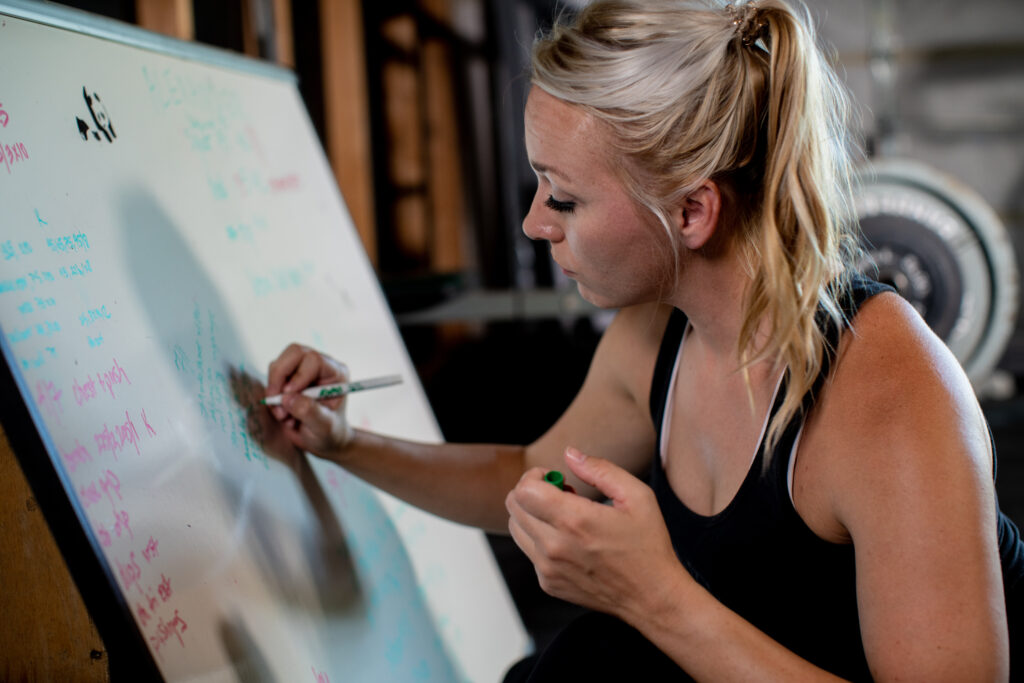
    Best Garage Gym Fans 2026

Filed Under: Home gyms, Training Tagged With: home gyms, home training, home workouts

  • « Go to Previous Page
  • Go to page 1
  • Go to page 2
  • Go to page 3
  • Go to page 4
  • Go to page 5
  • Interim pages omitted …
  • Go to page 8
  • Go to Next Page »

Primary Sidebar

Kathryn Alexander, personal trainer in Austin
Hi, and welcome here! -Kathryn

Recent Posts

  • Bala Power Ring Workout (Full Body)
  • The Best Lower Body Muscular Strength Exercises
  • Deadlift Barbell vs Trap Bar: Which Is Better for Strength, Muscle, and Safer Pulling?
  • Things to Do in Austin in April (2026)
  • Love Notes, Volume 5. Q1, 2026
Did you know I make custom training plans? Tell Me More!

Footer

Follow

  • Email
  • Instagram
  • YouTube

Affiliate disclaimer

As an Amazon Associate I earn from qualifying purchases.

Newsletter sign up

  • Home
  • About Kathryn Alexander
  • Blog
  • Success Stories
  • Training Programs
  • Personal Training

Copyright © 2026 · Genesis Sample on Genesis Framework · WordPress · Log in

  • Featured In
  • Privacy Policy
  • Resources
  • Online Personal Training
  • Personal Training
  • Training Programs