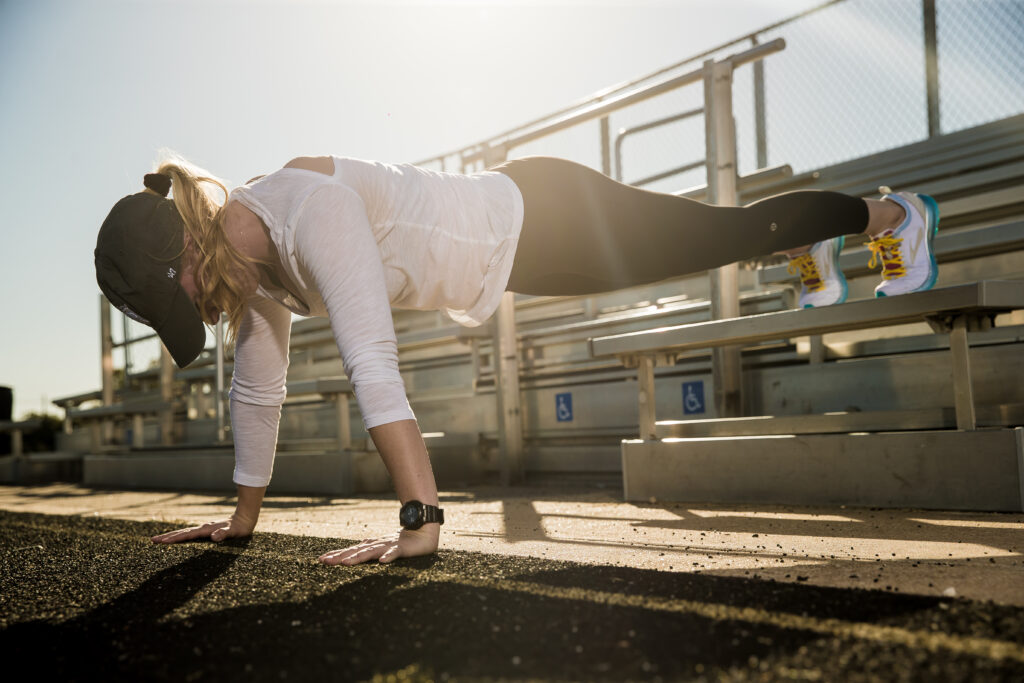
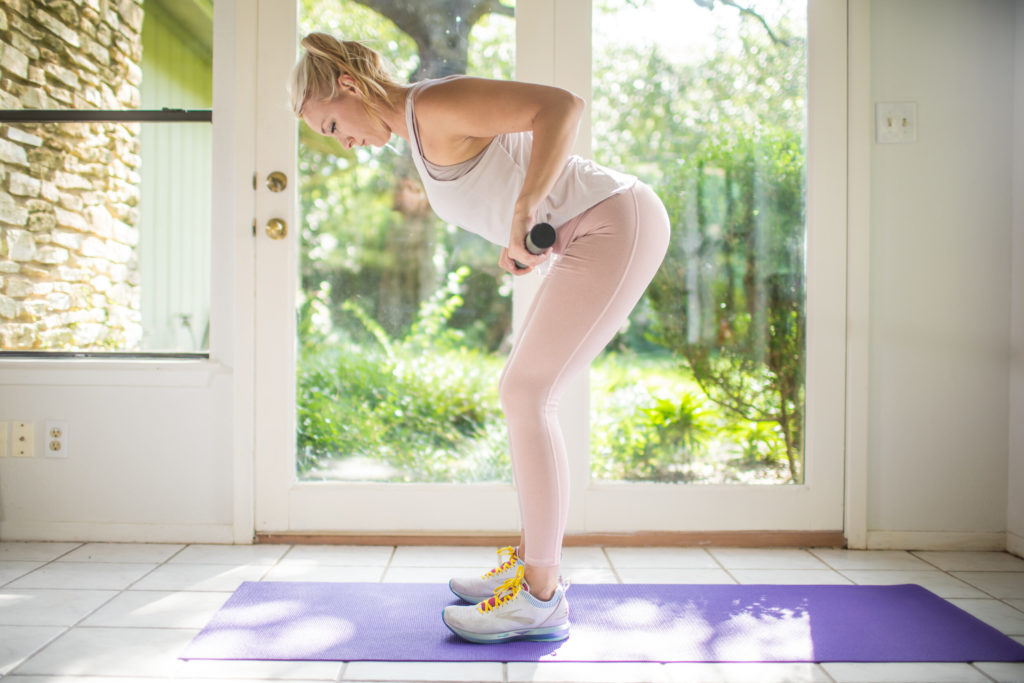
• Skip to primary navigation
  • Skip to main content
  • Skip to primary sidebar
  • Skip to footer
Alexander Training personal trainer Austin Texas

Alexander Training - personal training in Austin, Texas

Personal training in Austin, Texas and customized strength programs in Austin, Texas.

  • Home
  • About Kathryn Alexander
  • Blog
  • Success Stories
  • Training Programs
  • Start Today

Blog

How to Begin Lifting Weights

January 9, 2023 by Kathryn Alexander

In case you were wondering if this is a good time to begin lifting weights: any time is a good time to begin lifting weights! You are not too old, and you are not too weak, you are not too busy.

Lifting weights truly can change your life! It is like a cheat code – if you are stronger, everything feels easier. If you are healthier, the good times feel great. You don’t have to be strong to start, and you don’t have to want to be a bodybuilder or meathead.

  • increases in strength, which apply to all activities of daily living such as walking up stairs or carrying a kid around, or doing yard work
  • increases in bone density, which are especially important for women, fair skinned, and thin individuals
  • improvements in mental health, stress reduction, and confidence
  • reduction in all-cause mortality from 30-60 minutes of muscle strengthening a week

Additionally, there are many ways to practice resistance training: lifting weights with free weights, kettlebells, dumbbells, or using band resistance or even bodyweight exercises. All of this is lifting. You can do this at the gym or at home. 

Related: learn how to overcome gym intimidation. Short term mindset shifts for long term confidence.

I recommend going to your doctor to get a baseline physical before you begin. From there, remember: you can lift weights! 
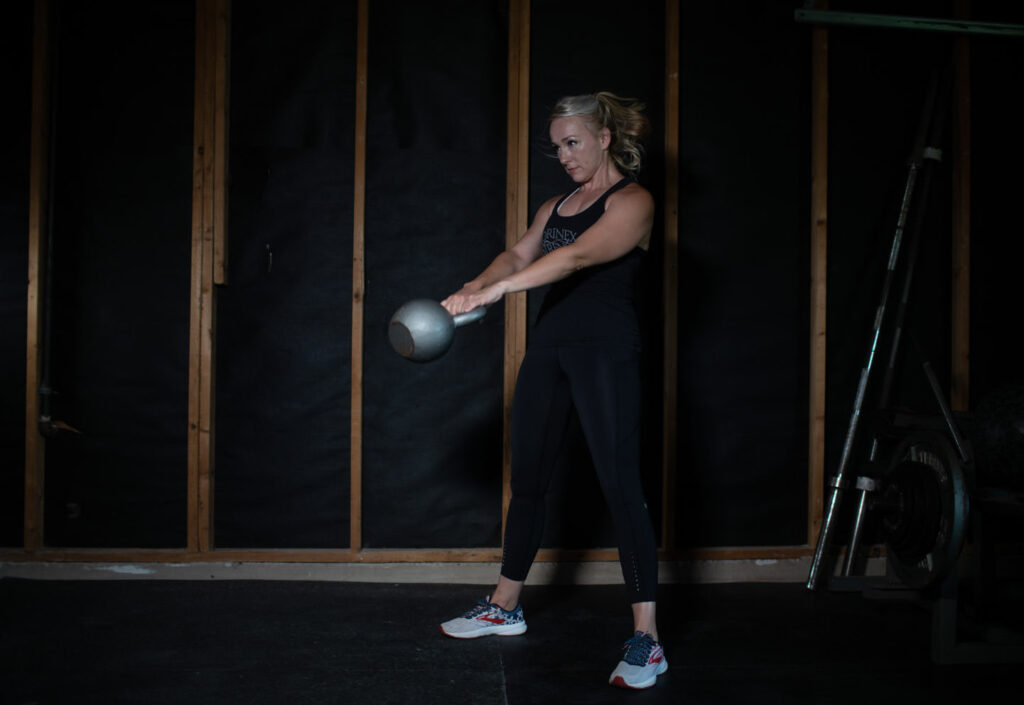
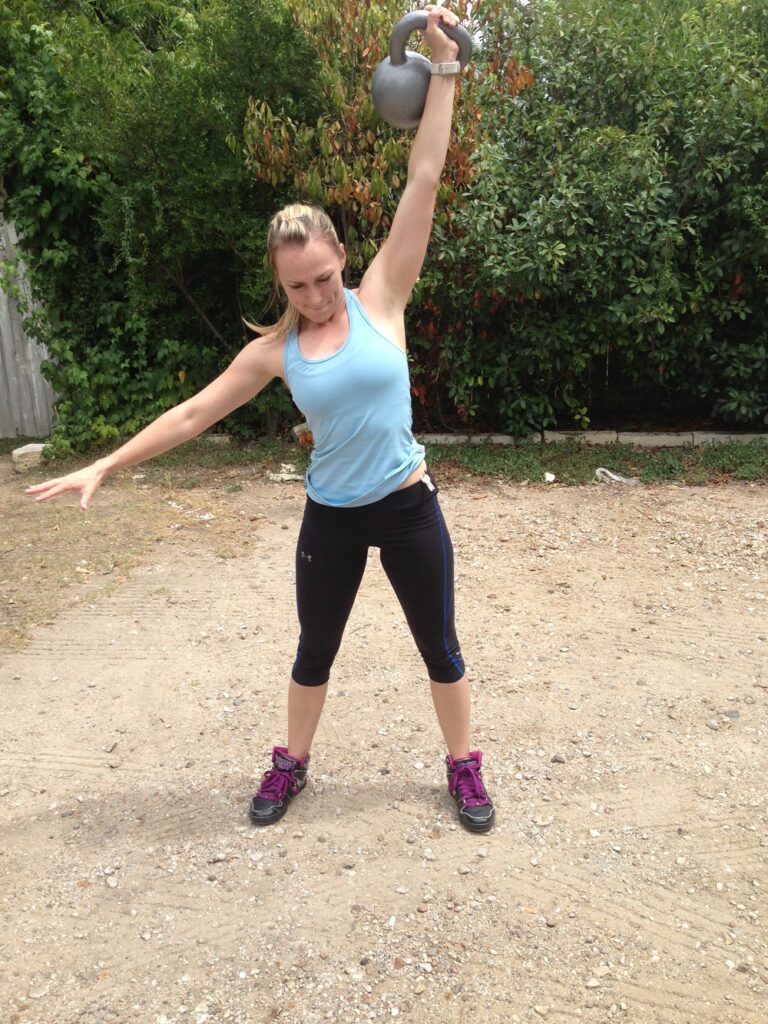
How to begin lifting weights. Kathryn Alexander of Alexander Training swings a kettlebell in her garage gym. Photo by Ben Porter.

What Do You Need to Start Lifting Weights

The great thing about lifting weights is that you can begin with very little. You can start at home with bodyweight exercises. If it suits you, you can start at the gym with machines and free weights. The gym is for beginners and advanced lifters alike, and so are all the means by which you can lift: bodyweight exercises, bands, machines or dumbbells. Any of these methods of training can increase strength.

If you enjoy lifting at home, you can lift at home as long as you’d like. The options for home gym builds these days are amazing, from basic and utilitarian to truly incredible training facilities. Check out Garage Gym Reviews for inspiration and information about how to build the perfect home gym for you. It’s very fun to have training equipment at home, but it’s not a necessity. Many of my clients prefer to keep their home home, and commute to the gym. 

A word of warning: a home gym won’t save you money. There’s a good chance you’ll get hooked, and you’ll want one more barbell, then a few more weights, then that fun new accessory, and then a garage renovation to house it all. Don’t say I didn’t warn ya! 

The most important thing to remember is that you start where you start. It is relative to where you are in your fitness and strength levels. Start with an appropriate amount of weight, like Goldilocks (not too much, not too little). Actually, err on the side of too light. Rest, repeat, and add a bit of a challenge next time.

Beginners Weight Lifting Tips

In the next section, I’ll give you concrete starting points, such as what exercises to learn for a solid foundation of good form. Remember mindset is very important too, so keep these quick tips in mind as you begin your weight lifting career. (Note that when I say weight lifter, I am referring to one who lifts weights, not only one who competes in the sport of weightlifting.)

  1. Just do it! Just get started! Even if you are a bit apprehensive, confused, or timid. Nobody knows everything, and nobody starts as anything but a beginner. Just do it; trust me, it’ll get better! 
  2. Start light. Whether it is a machine you aren’t familiar with, or free weights that offer a gazillion weight options; start very light. Feel out the movement with the light weight and think about it as you go. Your analysis of the movement will tell you how to proceed as far as adding weights.
  3. Building off the last point: focus on the feel of the movement and the muscles that you are using. Studying anatomy will help this but is not a prerequisite. Even if you don’t know anatomy, you can learn from your body as you move. 
  4. Identify your sticking point if you are having a hard time moving forward. Is it lack of confidence in you routine? A tight schedule? Need some new equipment? There is an answer to all of those, whether it is working with a training, following a training program to maximize time spent (try a free week on any of my programs here) or hitting up craigslist.com to get you started with equipment. 
  5. Try this to learn more about your shoulders and posture in less than two minutes.
  6. Remember all the benefits of lifting weights! The health, physique and mental benefits will always work in your favor. 
  7. Back to number 1: just do it! 

Get a Trainer

If you do your due diligence, you can find a professional trainer who truly views this industry as a profession. This means he or she will teach you well, help you move quickly and not waste time, prevent injury as much as possible, and write a specific program for what you are working for. 

A trainer can help you find modifications so exercises fit your body best, help you work through your sticking points, and even help build your confidence and keep you accountable. 

It is my goal to educate my clients as we go so they can be independent. I don’t ever want to quit working with my clients, but I always want them to have a plan and the ability to do it on their own. Often, people need just a few months to get their feet under them and have all the tools to proceed independently. In that case, I’m happy happy to hear their progress reports as they break off onto their own.

Form

Study form as you begin lifting weights. Good form will apply to exercise regardless of what kind of implements, weights, or bodyweight exercises you are utilizing. Good form will allow you to move faster toward your goals, prevent injury, and get the most out of each exercise. Don’t let fear of perfection slow you down, though. There is a wide gray area of safe and acceptable form. Do your best and plan to improve as you go. Remember Tip number 1: just do it! 

Beginner Body Weight Exercises

The following exercises are foundational to movement. That means these should be practiced by beginners, and continually utilized through your lifting career. They’ll become easier, but I want you to always practice them deliberately. They’ll become more like warm up and reinforcement work than hard working sets as you progress. 

Watch these videos and practice the movements. Please reach out to me if you have questions!

Basic squat with no weight

basic squat with no weight
Y for rear delts
plank walk out
reverse lunge
hinge
dead bug

Beginning Resistance Training with Bands

Resistance bands can help you develop strength at different angles. Please be careful to buy good bands, keep them inside, and check frequently for potential tears. Also be certain that your anchor point is secure so that you won’t pop yourself in the microphone you are wearing on your face as you teach a group exercise class in front of 25 sorority girls at LSU circa 2004. Hypothetically, haha, that would be sooo embarrassing.

band pullaparts
band row
band deadlift

Beginner Weight Exercises

goblet squat
dumbbell overhead press
machine row

For a full post about how to do the goblet squat, click here.

Create a Routine

Building exercise into your routine and following a plan will help you maintain your lifting habits. Remember, lifting weights will help you as long as you are able to lift, so find a way to lift for many many years. It is about consistency and progress, not perfection and knowing-it-all. Nobody knows it all, and nobody is perfect at first, if ever. Please don’t let that stop you from getting started on an enjoyable hobby that can save your life! 

For an in-depth look at how to find or develop a training plan, read here.

Begin Lifting Weights Today!

Lifting weights can make your life better almost immediately, with very little cost or equipment necessary to begin. I hope you try some of these exercises linked above and begin your strength journey. I wish you the best of luck, and invite you to please email me kathryn@kathrynalexander.com with questions, progress updates, and my favorite, your wins! Happy lifting! 
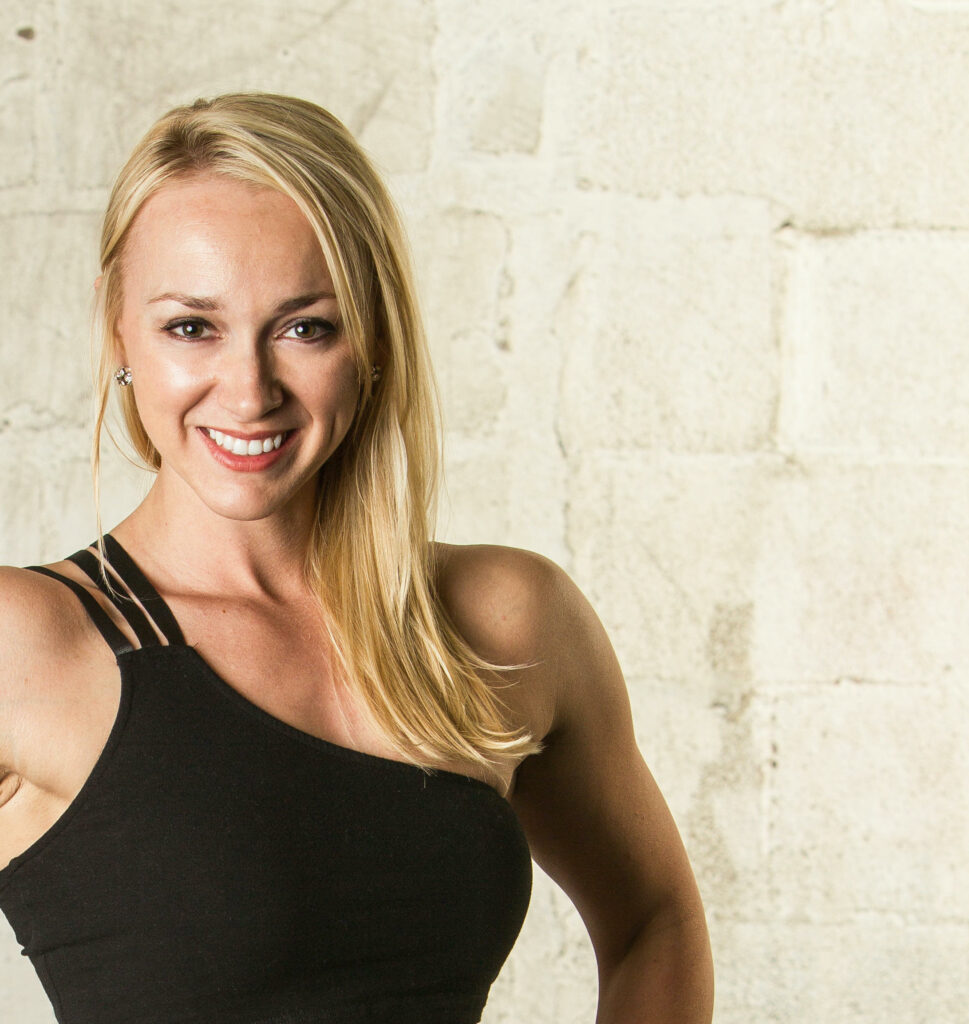

About the author

Kathryn Alexander is a strength coach and personal trainer in Austin, Texas. She loves hiking, college football, and the feel of a perfectly knurled barbell. Read more about Kathryn here.
Filed Under: How To Tagged With: how to, start here, training

What is the Importance of a Workout Plan?

December 26, 2022 by Kathryn Alexander

Having a well written workout plan is one of the most important things to consider in your exercise routine. It is hands down the most effective way to get the best results from your time exercising. A workout plan that you follow can help you reach your goals faster and more effectively, take the brainpower and mental stress out of the process, and help you avoid blind spots to get the best out of your fitness routine. 

How Can a Workout Plan Benefit You?

We know all the reasons that exercise is worth doing: you’ll feel better, move better, look better, and stave off injury and disease. No reason not to exercise! Except that it does take time, energy, and potentially a financial investment. If you are going to put in the effort to exercise (and you should!) then you should make it worth it.

The best way to do that is to follow a well designed exercise plan to maximize your results. Read on for more information about how a workout program can help you, and how to find the best plan for you.

1 – A Workout Plan Can Help You Reach Your Goals Faster

A workout plan can help you reach your goals faster and more effectively, since it will help you work toward specific outcomes. Often, people go in the gym or go for a little pop on the elliptical, hit some machines randomly and hope they get exactly where they want to be. It doesn’t work this way; the body responds very specifically to exercise stimuli. For example, if you want to get stronger, you need to lift heavier. If you want to lose weight, you have to increase your exercise capacity and be able to exert more energy.

I receive inquiries for people from an online exercise company, and it asks people to check off their desired goals. Often people will list many goals, such as “build muscle mass”, “run a marathon”, “increase flexibility”, and “bodybuild”. These are all worthy goals, but in the short to medium term, they will compete. A well written workout program can help reach these goals, but it needs to be methodically planned. Otherwise, the process will be similar to chasing cats; chaotic and ineffective.

The bottom line is that if you are going to do the hard work (and making the time and effort for the gym is hard work!) then it should be work that takes you to your desired outcomes. 

2 – Take the Brainpower and Mental Stress Out of the Equation

Having a well programmed workout routine to follow is incredibly peaceful. A good plan will give you a roadmap to trust, so your only job is to do the hard work. It takes the brainpower and mental stress out of it for you, so you can do the work and reassess at the end of your training block. This is usually 4-12 weeks, at which point, you’ll continue to the next phase, or commit to a new program. 

Crammed for time? Check out How to Make Time for Exercise with a Busy Schedule

3 – Avoid Blind Spots in Your Workout Routine

Often, we can learn from others and their experiences. After all, we don’t know what we don’t know! If you have a well designed workout plan, you will be following a well rounded routine that includes everything you need to reach your goals.

For example, to avoid and work past back pain, you need a couple smart glute exercises. Athletes, including weekend warriors, typically need more hamstrings work than is conventionally written into general workout plans. 

Sometimes lifters do a lot of things well, but don’t lift in a balanced manner. For example, if a lifter is focused on a goal of driving their bench press up, it would behoove them to focus on back strength as well. In this case, along with chest work, a good example would be to include rows along well.

Make sure you follow a good program, and you’ll hit everything you need to feel and perform best! 

What is a Personalized Workout Plan?

A personalized workout routine or fitness plan is written specifically for you and your goals. Finding a personalized plan written by a fitness expert is a great plan to follow. If that is out of your budget or doesn’t interest you, you can find a plan online that’s written by a fitness expert for people like you. If you look on Train Heroic, for example, you can find extremely specific programs such as plans for beginners, jiu jitsu enthusiasts, people who want to build their butt or grow bigger arms, military and post military, etc. I have plans for people who sit at work all day and need to decompress, people who exercise with limited equipment, and people who train in a full gym toward strength and physique goals. 

This can be incredibly effective and cost effective as well. This way you’re not, as mentioned before, hopping around and wasting your on things that won’t take you to your goals. 

How to Find a Personalized Workout Plan

Like I mentioned in the previous paragraph, you can find any kind of training program on Train Heroic, which is an incredible training app that my clients and I love. (They aren’t paying me to say this! I just really love Train Heroic!) It features programs from experts of all kinds of strength, fitness and sport specific doctrines. 

Consider how many days a week you can commit to working out, how long each session can be, what kind of equipment you have access to, and what your goals are. Be as specific as you can. Keep those factors in mind when you are searching programs, and select one that matches you as much as possible. Often on Train Heroic, you can do the first week free, or even contact the coach directly. Research it as much as you are comfortable with to find a program that excites you. 

If you are interested in any of my programs, check them out here. If you have questions about which would be a good fit for you, feel free to email me at kathryn@kathrynalexander.com.

Are you brand new to the gym and need a plan to start? Try this 6 week program which walks you through what to do, how to do it, and how to use your gym.

Take Action and Start Your Workout Plan

Take action! Take imperfect action! I encourage you to think deeply on your goals and how you will feel when you achieve them. Then find a plan that will help you get there! Ensure it’s a good program by looking at reviews and/or talking to the coach. From there, GO GO GO! 

Take a leap of faith, put in great effort, and follow that workout plan!

Best of luck! Remember, I want to see you succeed! If I can help you at all, please let me know! 


About the author

Kathryn Alexander is a strength coach and personal trainer in Austin, Texas. She loves hiking, college football, and the feel of a perfectly knurled barbell. Read more about Kathryn here.

Filed Under: Training

What is Semi-Private Personal Training?

November 21, 2022 by Kathryn Alexander

If you have spent any amount of time in a gym, you might have noticed people working with personal trainers. Sometimes they are working one-on-one, sometimes in a pair, and sometimes in a small group. Maybe you have seen semi-private personal training advertised and wondered what it is. 

Semi-private personal training is when a personal trainer works with 2-5 people instead of one-on-one. Semi-private personal training has some really great benefits, and some things you should consider. 

A personal trainer, as opposed to a group exercise instructor, creates a program that works specifically for your unique situation and goals. This is different from a group exercise instructor because typically group exercise instructors lead classes that you can drop into. These can be fantastic workouts, and they have a lot of benefits, but they are not planned specifically with your goals in mind. 

With semi-private personal training, you can get the benefits of working with other people, along with the benefits of having a trainer who planned the program specifically for you. 

Structure of Semi-Private Training

Semi-private training sessions are structured very similarly to traditional one-on-one training sessions. Since I primarily teach people how to lift weights to get stronger, leaner and healthier, semi-private training sessions with me are done in the gym. I always take the time to do an individual consult, even with my semi-private clients, so I can cater the session to each individual‘s goals. 

If you work with me and somebody else in a semi-private training session, you might do the same exercises as the other lifter or lifters, but your set and rep scheme will be specific to you. The weights will be specific to your ability as well. We always make accommodations according to individual needs or goals, as well. For example, if you need extra posture work because you sit many hours a day, that will be added in for you. 

Recently, my client Hannah has been training in my women’s lifting semi-private group for over a year, in preparation for her wedding. Even though she trains with 2 to 3 other women, we made some specific adjustments as she got closer to the wedding date.

Is Semi-Private Personal Training for Me?

Semi-private training sessions have many benefits, including the camaraderie of other lifters, improved learning from watching others, a lower cost, potentially some schedule flexibility. 

Many of my clients who lift in semi-private sessions enjoy the company of their gym friends, whether is the camaraderie, competition, or both. Most don’t know each other outside of the gym, but I found that they had similar goals and made an introduction. Sometimes they needed the same time slot as each other, and sometimes they expressed an interest to work with someone else. If your trainer isn’t able to make introductions for you, you can find a friend to come train with you as well. 

Many learning models suggest that people learn movements better both from doing and watching the new movements. In this way, semi-private training can help you learn faster, and continue to learn the lifts you are practicing together. I love this aspect of semi-private training! It might be the best benefits to lifters out of any of these. 

Stuck with your training and weight loss? Check out my 3 biggest tips for losing weight.

Semi-Private Training Cost

The cost of semi-private training is often a bit lower than one-on-one training. Semi-private personal training costs are typically around 60% of that of a one-on-one session, and in a small group with an experienced trainer, you can expect nearly the same amount of attention for a fraction of the cost.

Read about how to find the right personal trainer for you here.

Consider Semi-Private Training

If you are thinking about working with a trainer, consider semi-private training. It’s a really great option to learn and grow with a few people who are on your team! If you are in the Austin area and are looking to train, I’d be happy to meet you for a free consult. Click here to be in touch with me about your goals, and we can discuss from there whether individual or semi-private training is best for you. 

If you’d like to follow along with the workouts my lifting group does, click the link here to join. I am always available to answer any questions you have about which training program is best for you. 

Happy training! 


About the author

Kathryn Alexander is a strength coach and personal trainer in Austin, Texas. She loves hiking, college football, and the feel of a perfectly knurled barbell. Read more about Kathryn here.

Filed Under: Personal Training Tagged With: clients, personal training

Managing Client Expectations

August 31, 2022 by Kathryn Alexander

I recently contributed to a piece published on BecomeaPersonalTrainer.org called “40 Personal Trainers Reveal How to Manage Client Expectations.” 

The article contains a wealth of insight from many trainers and is a great read for both clients and trainers alike.

As a personal trainer, managing client expectations is key to setting them up for happiness and success.

You can read the whole article here. Spoiler alert! My advice is to encourage people to understand that the way to make a long-standing change, which is what people are truly seeking, is to make permanent changes rather than seeking a quick fix. 

Become a personal trainer.org

You’ll Be Proud With Progress

You might have a goal to gain 40 pounds of strength on your bench press, or to lose 30 pounds of fat. Both of these will require consistent work over a period of time, and you’ll be so proud and happy once you get there! 

Remember though, that you’ll be proud of yourself along the way. When you’ve worked hard and earned a 30 pound increase on your bench press, you’ll be happy! When you’re exercises and make good food choices, you’ll feel great when you’ve lost 10 pounds, and are on your way to losing 30. 

The bottom line that I want you to remember is that this is a process that requires consistency. You can do it!! You’ll be happy along the way!

Happiness, peace and personal pride are not reserved only for the end of the journey! 

Finding a Personal Trainer to Help on Your Journey

Are you looking for a personal trainer to help on your fitness and health journey? If so, I’d be honored to help you get started, or continue on toward your goals. You can find info about working 1:1 with me in person here, or online here. Please email me if you have questions or would like to do a consult. kathryn@kathrynalexander.com

Happy training! 

Related: What exercises are best for HIIT?


About the author

Kathryn Alexander is a strength coach and personal trainer in Austin, Texas. She loves hiking, college football, and the feel of a perfectly knurled barbell. Read more about Kathryn here.

Filed Under: Personal Training Tagged With: featured in, personal training

Pushups on Vacation: A Success Story from the Beach

May 9, 2022 by Kathryn Alexander

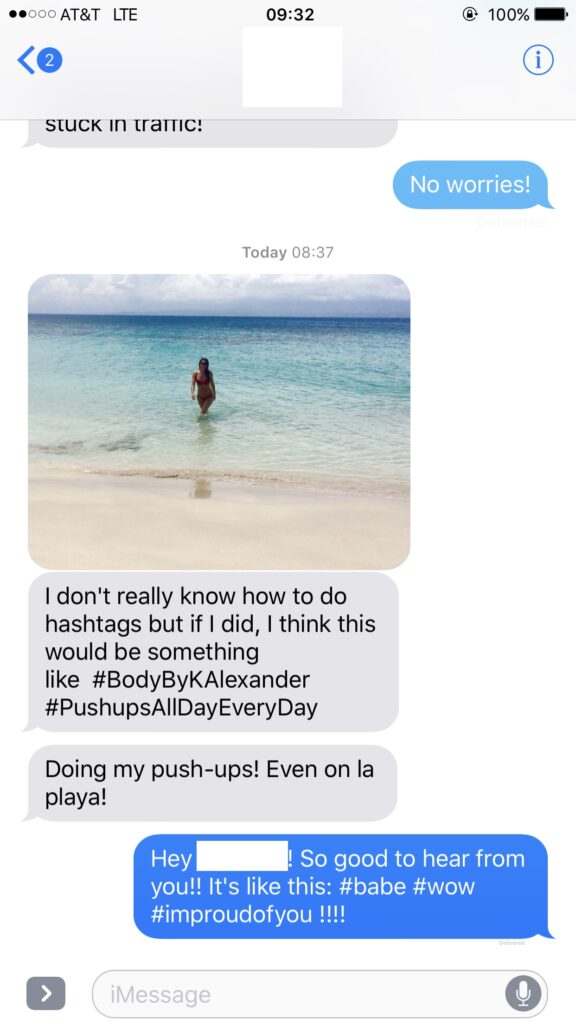
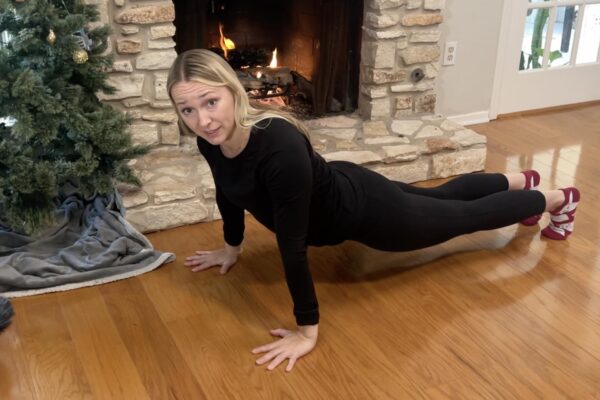
Pushups on the beach: a happy client of Kathryn Alexander (Alexander Training) shares her picture from vacation.

Pushups on Vacation

This is a throwback text to one of my favorite client texts ever. Her goal with working with me was to improve strength and performance on a few specific tests, pushups included.

In the process, she found she was a good lifter, and good at pushups, and even enjoyed doing pushups on vacation!

Want To Improve Your Pushups?

This blog post details how to practice pushups and pushup negatives to get your first pushup, or get comfortable enough with them to be able to do more.

Check out The Home Team, my monthly workout that is created specifically for home exercisers. It utilizes a few dumbbells, a band, and yes, pushups! Follow that link to get your first week free.

How to Choose the Right Training Program For You


About the author

Kathryn Alexander is a strength coach and personal trainer in Austin, Texas. She loves hiking, college football, and the feel of a perfectly knurled barbell. Read more about Kathryn here.

Filed Under: Testimonials Tagged With: success story, testimonials, training

How to do Bear Crawls

January 10, 2022 by Kathryn Alexander

If you have done bear crawls, you might be having flashbacks of sweat and tears and punishment from a high school coach. The bear crawl is a full body, energy intensive exercise that lends itself well to group application. It’s also fairly simple, equipment free, and luckily for us over the age of 18, has many modifications to suit your goals, ability, and space.

The bear crawl is a great exercise that is beneficial to almost everybody, not just young athletes. As you can see, you’ll be working your arms and legs, but it’s a killer ab & back exercise too. Core work, as it’s trendy to say. The bear crawl also reinforces athleticism and coordination, since it works the whole body as a unit.

Learn how to do bear crawls and add them into your program today!

What is the Bear Crawl?

The bear crawl is a traveling movement on all fours. It can be done quickly, like a run, for conditioning goals. It can be done as I’ll show you here, with smaller movements for a focus on the trunk. There are many ways to do a bear crawl well. In this case, you’ll take smaller steps and more precise movements. This will also allow you to do the bear crawl inside, where you might not have as much room as on a large turf.

How to do the Bear Crawl

  • Set up on all fours (4 point position)
  • Keep an active, neutral, flat back
  • Pick your knees up off the ground about an inch
  • Travel forward, taking very small (2 inch) steps
  • Deliberately keep your trunk engaged, as opposed to loose and flopping around
  • Reverse and travel backwards

Try the Bear Crawl and Let Me Know How You Love It!

Try out the bear crawl and let me know how it goes! It is tougher than it looks so be prepared to work!

Happy training!

Related: My 5 Favorite Exercises

Check Out More How-To Videos Below

core strength exercises dumbbells with Kathryn Alexander Training

Core Strength Exercises: Dumbbells Edition

cable squats muscles worked by Kathryn Alexander Austin personal trainer

Cable Squats: Muscles Worked and How to do Them

plank exercises for beginners

Plank Exercises for Beginners

Kathryn Alexander doing HIIT (high intensity interval) training on stairs in Austin, Texas.

5 Tips to Plan for a Fit Fall Season

how to do RDLs with dumbbells

How to do RDLs with dumbbells (Romanian deadlifts)

How to do barbell rows

How to Do Barbell Rows and Row Variations


About the author

Kathryn Alexander is a strength coach and personal trainer in Austin, Texas. She loves hiking, college football, and the feel of a perfectly knurled barbell. Read more about Kathryn here.

Filed Under: How To Tagged With: how to

Back to the Basics for the New Year

January 3, 2022 by Kathryn Alexander

dumbbell row in garage gym

This January, instead of adding in complicated, lofty goals, or removing things you love, I encourage you to go back to the basics.

This January, my clients and I are going back to the basics. My clients will see the inclusion of squats, pushes, pulls, hinges and carries in their training. We will work in moderate rep ranges and do both interval and steady state cardio.

The goal this month is establishing and maintaining healthy habits. Getting the reps in. The result will be strength, increases in cardiovascular capacity, and health.

You likely know what to do to make positive changes for yourself. Instead of reading online what others are working on, think about what you can do better. Be active more days, start a lifting program, eat more protein or quit drinking sodas. Pick something simple and basic. You can do it.

Related: Make Exercise FUN!

Get Back to the Basics for Your Goals

If you need help getting started, or you need a new plan, message me. I’d love to help.

If you are in the Austin area and are looking to train, I’d be happy to meet you for a free consult. Click here to be in touch with me about your goals, and we can discuss from there whether individual or semi-private training is best for you.

If you’d like to follow along with the workouts my lifting group does, click the link here to join. I am always available to answer any questions you have about which training program is best for you.

Happy training and happy New Year!


About the author

Kathryn Alexander is a strength coach and personal trainer in Austin, Texas. She loves hiking, college football, and the feel of a perfectly knurled barbell. Read more about Kathryn here.

Filed Under: Attitude & Mindset Tagged With: New Years Resolutions

How to do Band Pullaparts

December 6, 2021 by Kathryn Alexander

Band pullaparts are a fantastic exercise for nearly everybody to do, and it is well worth the time to learn how to do band pullaparts. They work your posterior upper body, something we need to be cognizant of in a very forward facing society. We look at our phones, we type on the computer, leaning in and stretching our neck. 

The truth is, we need to do this anyway. It’s not just modern times. It’s because our eyes face forward. If not for a smart phone, it would be a book, a newspaper, a magazine.

It’s also very important to make sure your back is strong if your front is strong. Do you bench press? Do you do pushups? You need pullaparts then, to maintain shoulder health. 

It’s simply a good habit to get in to work the muscles behind you, no matter your profession or physical demands during the day. 

Band pullaparts are one way to do that. They work your rear delts, traps, and rhomboids, among other supporting musculature. 

How to do Band Pullaparts

  • stand tall

  • extend your arms in front of you, gripping a light band

  • keep elbows straight but not locked as you press your arms straight around your side

  • I prefer palms down but you can experiment with different hand positions

  • squeeze your shoulders behind you as you make a big wide sweep with your arms

  • press until the band touches your chest

  • control the return to your start position and repeat

Execution and Incorporation of Pullaparts

Pullaparts are great as a warm up, finisher, or even between exercises. I sometimes do pull-ups between sets of bench press as a reminder to scapular control. You can do sets of 10-15, or do a larger set. Use a fairly light band, as this isn’t an exercise you’ll aggressively progress. It’s a reminder and reinforcement of shoulder health. Let me know if you have questions about your pullaparts!

Need another arm tutorial? Check out how to work your triceps here.

Check Out More How-To Videos Below

core strength exercises dumbbells with Kathryn Alexander Training

Core Strength Exercises: Dumbbells Edition

cable squats muscles worked by Kathryn Alexander Austin personal trainer

Cable Squats: Muscles Worked and How to do Them

plank exercises for beginners

Plank Exercises for Beginners

Kathryn Alexander doing HIIT (high intensity interval) training on stairs in Austin, Texas.

5 Tips to Plan for a Fit Fall Season

how to do RDLs with dumbbells

How to do RDLs with dumbbells (Romanian deadlifts)

How to do barbell rows

How to Do Barbell Rows and Row Variations


About the author

Kathryn Alexander is a strength coach and personal trainer in Austin, Texas. She loves hiking, college football, and the feel of a perfectly knurled barbell. Read more about Kathryn here.

Filed Under: How To Tagged With: how to

Remembering Dave Draper

December 6, 2021 by Kathryn Alexander

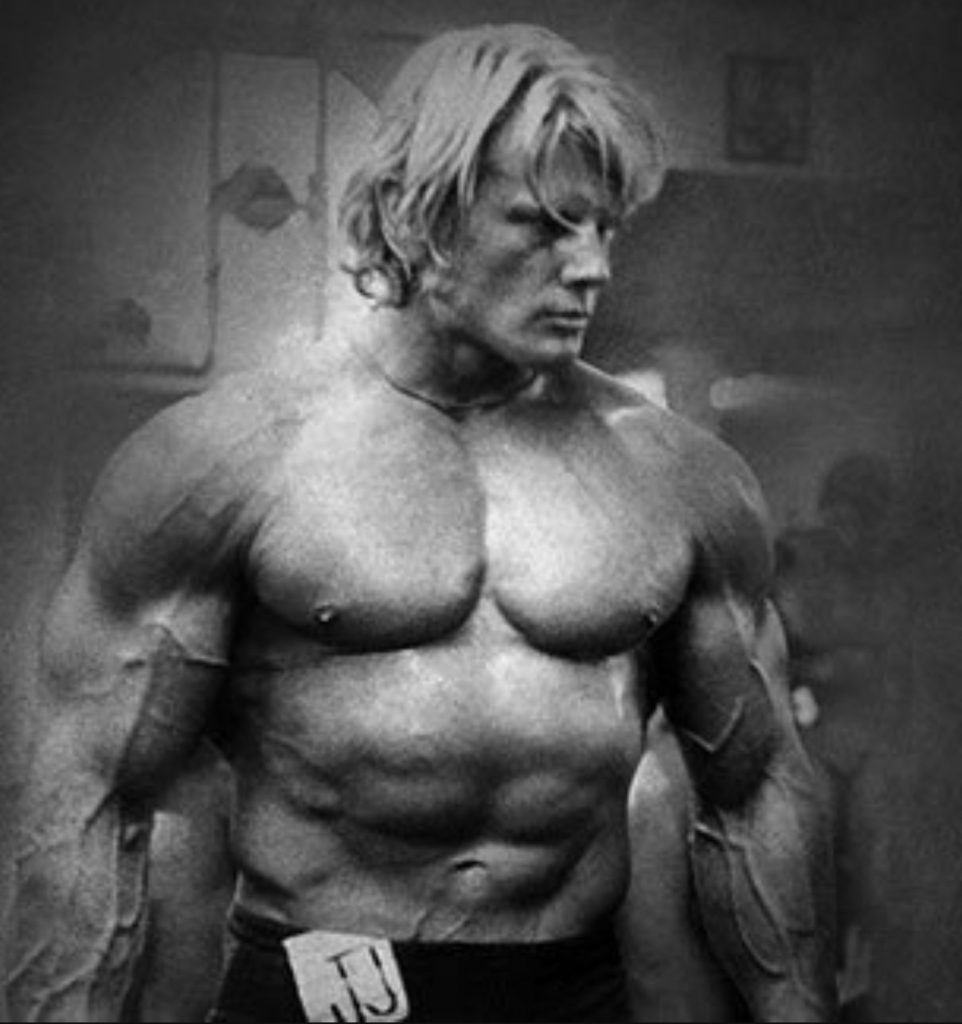
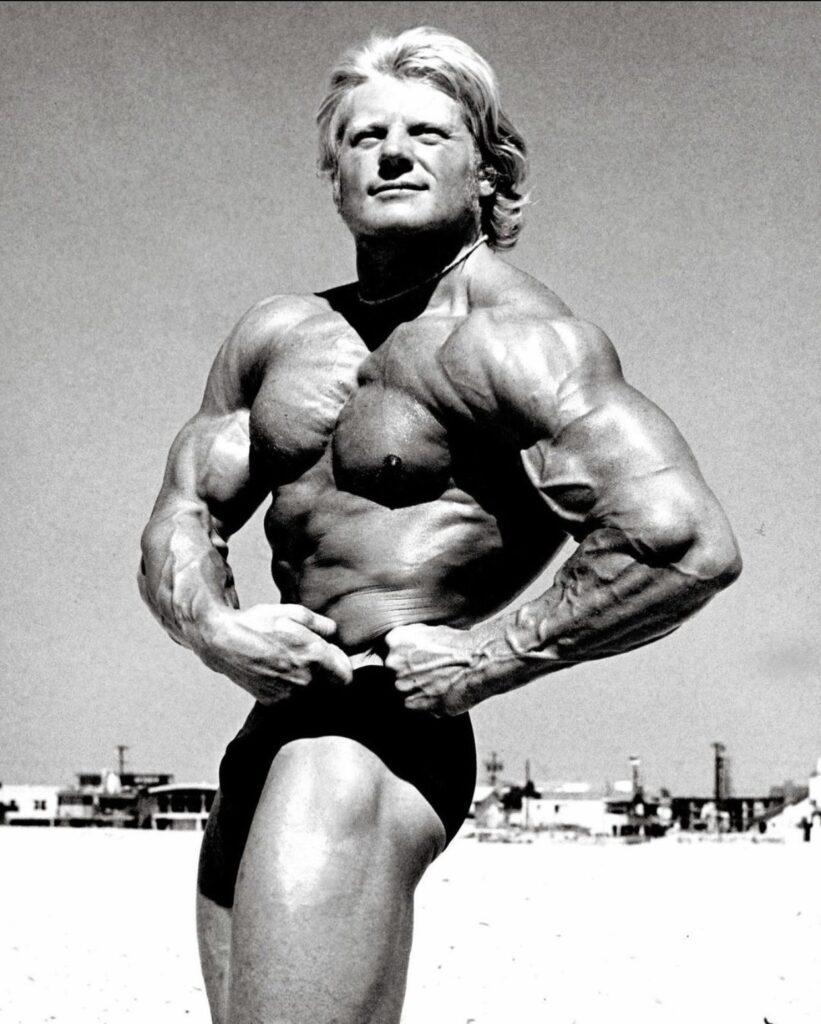
Dave Draper, The Blonde Bomber

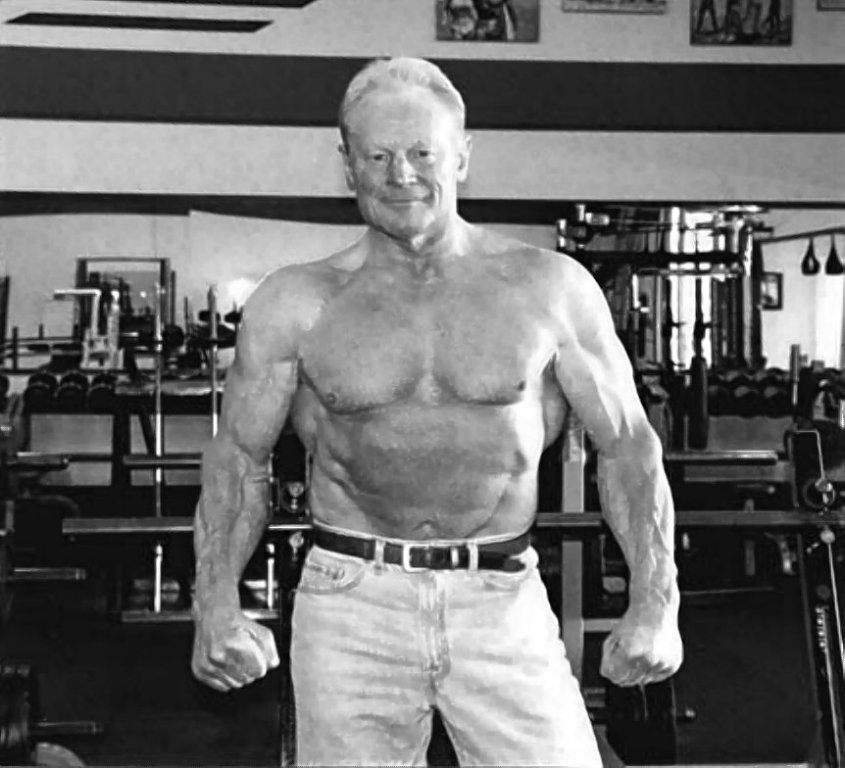
Dave Draper, the Blonde Bomber, is my number one inspiration in the world of physical culture. A legend, an icon, a writer. Dave is introspective, brilliant, and hits you with combination of realism and romanticism that makes you want to be born into the golden era of bodybuilding on Muscle Beach.

Dave’s Weekly Column, IronOnline Newsletter

Dave wrote a weekly column, the IronOnline Newsletter, for years, which I read religiously. He helps me re-realize the joy of lifting during times of burnout. His writing is deep and real, but also hilarious and inspiring.

When he stopped writing his weekly column, I cried. I wrote him a letter thanking him for all the wonderful thoughts he shared over the years.

A Season for Everything

I used to screenshot my favorite quotes from his columns. Today I went back through the screenshots and found my favorites.

“You’re in a Slump?” is one of the best columns Dave wrote. My favorite quote from this one is,

“And the Good Book tells us there is a season for everything, reaping and sowing, pumping and burning.”

Poignant and humorous, and worth the read.

Paint Big Pictures, Delightful and Bright – Dave Draper

My favorite quote from The Blonde Bomber:

“Sometimes we forget why we go to the gym and the driving forces — the countless reasons for lifting heavy with meticulous form and in relentless pursuit — are left behind, under the bed with the dust balls, in the closet with the dirty laundry or at work under a stack of papers. Get in the habit of recalling who you are and why you’re here: to be good to your neighbor; to cultivate high morals; to be loyal to your country; to eat your protein and to train hard, with undying commitment to health, strength and long life.

Board your craft, brothers and sisters. The sky is your canvas; your wings are the brush. Paint big pictures, delightful and bright.”

To Laree, should you ever read this, thank you so much for all of your work on the IronOnline Newsletter, and for sharing so much of you and Dave with us over the years.

Your friend,
Kathryn


About the author

Kathryn Alexander is a strength coach and personal trainer in Austin, Texas. She loves hiking, college football, and the feel of a perfectly knurled barbell. Read more about Kathryn here.


  • 5 steps to keep fitness progress
    5 Steps To Keep Progressing On Your Fitness Right Now
  • Thanksgiving friends at Big Tex Gym
    Thanksgiving Joy + Fitness Momentum (Yes, Both!)
  • Austin personal trainer Kathryn Alexander shares her clients' secret for successful holidays.
    My Clients’ Secret for Successful Holidays
  • Gifts for powerlifters: wrist wraps
    The Best Gifts for Powerlifters and What 1 Gift to Avoid
  • More Semi-Private Personal Training Options!
  • Quick Note: Exercise is Quality of Life

Filed Under: Attitude & Mindset Tagged With: Dave Draper

Ask Kathryn: What Exercises are Best for HIIT?

November 30, 2021 by Kathryn Alexander

Let’s discuss what exercises are best for HIIT, or High Intensity Interval Training.

Often, I get great questions clients that are too good not to share. This is one, about which exercises to choose for HIIT training. This is from a client who incorporates HIIT into her program twice a week.

Are Certain Exercises Most Beneficial for HIIT Style Training?

Are there certain moves that would be most beneficial during HIIT intervals?  Could you provide suggestions to structure those sessions?

Kathryn: High Intensity Interval Training, or HIIT, is a powerful tool to drive improvements in conditioning and body composition.

HIIT involves doing highly intense intervals of hard work, unlike steady state cardio. To achieve work intervals intense enough to stimulate adaptation, you must choose exercises wisely.

If you need a primer on what HIIT is and who is a good candidate for it, check this out: HIIT Revisited.


Generally speaking, anything that gets your whole body moving works. Think big, compound, multi-joint movements like squat presses (very light weight), lunges or jumping jacks. Exercises like calf raises or biceps curls really don’t challenge you systemically, so for honest hard work, pick bigger movements.

The simplest options are movements that you can quickly and easily ramp up the intensity with. For example, running, sprinting, or biking.

If you don’t have cardio equipment or can’t go outside, there are other options.

You could pick 1-3 exercises and cycle through them. For example, during a bad weather bout pre-home gym, I did a session rotating between squats, lunges and pushups. I would do about 10 of each or until I fatigued, and then move to the next exercise until I reached my time goal.

Want to add lunges in your session? Check out this How-To blog post about lunges and the lunge variations.

Don’t overthink it! This is just about getting your body moving! Try to keep movement steady for the hard but quick interval, but you can slow down when you need.

Related: how to get in shape fast!

Your Turn for HIIT Sessions

My client asked a great question, seeking more structure for her HIIT sessions. Of course, when my clients prefer it, I specify exactly what to do, but I like to give you the option to pick your own movements. What feels fun and do-able will be different for everyone.

Pick a couple exercises, get warmed up, and put on some good music and go!

Do you need individualized help with your training? If so, message me here and let’s get your training back on track!


About the author

Kathryn Alexander is a strength coach and personal trainer in Austin, Texas. She loves hiking, college football, and the feel of a perfectly knurled barbell. Read more about Kathryn here.

  • 5 steps to keep fitness progress
    5 Steps To Keep Progressing On Your Fitness Right Now
  • Thanksgiving friends at Big Tex Gym
    Thanksgiving Joy + Fitness Momentum (Yes, Both!)
  • Austin personal trainer Kathryn Alexander shares her clients' secret for successful holidays.
    My Clients’ Secret for Successful Holidays
  • Gifts for powerlifters: wrist wraps
    The Best Gifts for Powerlifters and What 1 Gift to Avoid
  • More Semi-Private Personal Training Options!
  • Quick Note: Exercise is Quality of Life

Filed Under: Training Tagged With: Ask Kathryn

How to do Lunges and Lunge Variations

November 30, 2021 by Kathryn Alexander

Lunges are a fantastic exercise because they are effective, versatile, and can benefit nearly everyone. There are so many ways to do lunges, so learn how to do lunges in a way that best serves you and your goals.

You can do lunges without equipment or with equipment. You can make them harder or easier by adjusting the distance and load. They can work on strength, endurance and even balance. 

How to Do a Lunge

  • From a tall standing position, step one leg forward in front of you

  • Step as if you are on railroad tracks, not a tight rope

  • Aim to land with a 90 degree angle in both knees

  • Knee should be close to the floor but not touching

  • Press into the ground through your heel and big toe and squeeze your glute to stand back up

  • Repeat with your other leg, alternating as you stand back up

When to Use Lunge Variations

You can do lunges many different ways, depending on what you are looking to gain from them. 

To work balance, do walking lunges. 

If balance is restricting you, stationary lunges or reverse lunges will allow you to get good work in. You strength will build and you’ll be able to add back in walking lunges for a new challenge.

To improve work capacity, do walking lunges a greater distance to get more volume. To add a challenge on the greater distance hold dumbbells.

In fact, to improve strength, hold dumbbells, kettlebells or any kind of weight in any lunge variation.

Related: here’s a how-to for a quick arm exercise.

For all around increased challenge, try the Bulgarian split squat. These are challenging! Adjust these as you would any lunges: with something for balance, without, with weights or without. Let me know how you like them!

And as always, feel free to email me if you have specific questions!

Check Out More How-To Videos Below

core strength exercises dumbbells with Kathryn Alexander Training

Core Strength Exercises: Dumbbells Edition

cable squats muscles worked by Kathryn Alexander Austin personal trainer

Cable Squats: Muscles Worked and How to do Them

plank exercises for beginners

Plank Exercises for Beginners

Kathryn Alexander doing HIIT (high intensity interval) training on stairs in Austin, Texas.

5 Tips to Plan for a Fit Fall Season

how to do RDLs with dumbbells

How to do RDLs with dumbbells (Romanian deadlifts)

How to do barbell rows

How to Do Barbell Rows and Row Variations

Work With Me!

If you are looking for a personal trainer in Austin, I’d love to talk with you! If you are not in Austin, Round Rock, or central Texas, let’s talk about online training.

Message me here for a free consult about personal training in Austin, Texas, or here for online personal training, and we’ll discuss your goals, background, equipment availability, schedule, and exercise preferences.

Let’s get you strong and healthy! 💪


About the author

Kathryn Alexander is a strength coach and personal trainer in Austin, Texas. She loves hiking, college football, and the feel of a perfectly knurled barbell. Read more about Kathryn here.

  • 5 steps to keep fitness progress
    5 Steps To Keep Progressing On Your Fitness Right Now
  • Thanksgiving friends at Big Tex Gym
    Thanksgiving Joy + Fitness Momentum (Yes, Both!)
  • Austin personal trainer Kathryn Alexander shares her clients' secret for successful holidays.
    My Clients’ Secret for Successful Holidays
  • Gifts for powerlifters: wrist wraps
    The Best Gifts for Powerlifters and What 1 Gift to Avoid
  • More Semi-Private Personal Training Options!
  • Quick Note: Exercise is Quality of Life

Filed Under: How To Tagged With: how to

How to do the “Y”

November 22, 2021 by Kathryn Alexander

The “Y” as I call it, is an exercise primarily for your rear delts, or the posterior muscle of your shoulder. This is a small, nuanced movement, so you can even do it effectively without weight. In fact, I want you to master it without weight first, so read below how to do the Y well.

Holding the position also reinforces a healthy hinge, which is a crucial movement to master to prevent back pain. Read the directions below about how to move into the hinge position. If this is troublesome, spend some time working on the hinge too!

How to do the “Y” for rear delts

Start with no weight at first. Remember, if you can do this and recruit the muscles you are trying to feel, you’ll do better at it when you do introduce weight. Start with a set of 10 reps, then stand and assess where you feel it.

  • hinge at the hips with back neutral and straight

  • extend arms with palms facing behind you

  • bend at the elbows as if you are elbowing the ceiling

  • rotate your arms up into a “touchdown” position

  • extend your arms into a “Y” shape

  • bend at the elbows, rotate arms, and straight elbows to return to the start position

Try another how-to: how to do the banded leg lift, one of my favorite ab exercises

How to do the “Y” with a Bench at the Gym

If you have a bench or would like to do this at the gym, you can follow the same directions. Watch the video below for a demo.

When To Do the Y

You can use the “Y” as a warm up exercise, in which case you’ll go fairly light in weight and do 2-4 sets of about 10 reps. If you’re using them as an exercise that you’d like to progress in, you can increase the weight and drop the reps slightly to about 8. Remember this exercise will generally be about the mind muscle connection and not about how heavy you can go. Work on feeling what you are aiming to feel (rear delts), and doing quality reps. Happy training!

See More How-To Videos Below

core strength exercises dumbbells with Kathryn Alexander Training

Core Strength Exercises: Dumbbells Edition

cable squats muscles worked by Kathryn Alexander Austin personal trainer

Cable Squats: Muscles Worked and How to do Them

plank exercises for beginners

Plank Exercises for Beginners

Kathryn Alexander doing HIIT (high intensity interval) training on stairs in Austin, Texas.

5 Tips to Plan for a Fit Fall Season

how to do RDLs with dumbbells

How to do RDLs with dumbbells (Romanian deadlifts)

How to do barbell rows

How to Do Barbell Rows and Row Variations


About the author

Kathryn Alexander is a strength coach and personal trainer in Austin, Texas. She loves hiking, college football, and the feel of a perfectly knurled barbell. Read more about Kathryn here.


  • 5 steps to keep fitness progress
    5 Steps To Keep Progressing On Your Fitness Right Now
  • Thanksgiving friends at Big Tex Gym
    Thanksgiving Joy + Fitness Momentum (Yes, Both!)
  • Austin personal trainer Kathryn Alexander shares her clients' secret for successful holidays.
    My Clients’ Secret for Successful Holidays
  • Gifts for powerlifters: wrist wraps
    The Best Gifts for Powerlifters and What 1 Gift to Avoid
  • More Semi-Private Personal Training Options!
  • Quick Note: Exercise is Quality of Life

Filed Under: How To Tagged With: how to

Personal Training in Austin in 2021

September 18, 2021 by Kathryn Alexander

Personal training in Austin is alive and well in 2021 and the industry is more motivated and creative than ever. If you are interested in working with a personal trainer, there are many reasons why this is a great time to jump in.

Personal training has historically been a robust business in Austin, and it was fairly consistent and predictable before 2020. 2020 was madness. You know. Fortunately for myself, my trainer friends, and our clients, 2021 has rebounded nicely.

Personal training in Austin, Texas. Kathryn Alexander of Alexander Training

Personal Training is a Steady Business

Personal training is often thought of as a cyclical business, with wild upswings at new year and spring break, and abysmal gym/training rates through the holidays.

I think this is exaggerated, as I’ve seen a much different story in my experience. I’ve seen personal training to an extremely steady industry with slight upticks at the new year and through the summer months. Trainers can really help people see through the confusion of the industry and make steady progress.

Most people who regularly work with a personal trainer, and most of my clients, continue their sessions steadily through the winter months and holidays, too. Of course, holidays are busy, and we sometimes have to reschedule sessions, but I’ve had many years where my training business is just as busy in December as in January.

Ultimate Austin Gift Guide

Covid Increased Creativity in the Personal Training Industry

Covid nearly brought the personal training industry to a screeching halt. In the first two weeks, trainers were scrambling to find a way to reach clients, as everybody was scrambling to figure out their life. If you’re reading this, you remember. No need to belabor the point.

I was wholeheartedly impressed with people’s creativity. Trainers quickly transitioned to live online classes, remote training, and outdoor sessions. People built home gyms out of store bought equipment and ingeniously assembled materials that were on hand.

I’ve never trained on so many patios, lawns or met so many family members and pets. For many months, I solely trained outside, via Zoom, or remotely through Train Heroic. And people jumped in. For this I am forever grateful!

Personal trainers can help you overcome your gym intimidation too. In the meantime, read about things you can do today to overcome your gym intimidation.

Related: Check out how to do my favorite ab exercise!

Try Personal Training

My point for this blog post is that the personal training industry is alive and well in Austin. There’s been a renewed interest in health and exercise, and it’s fantastic how many people are maintaining or beginning healthy habits.

If you are interested in working with a personal trainer, I highly encourage you to! The industry is more motivated and creative than ever.

Check out these FAQs about what to expect when working with a personal trainer and how to find a great personal trainer that you click with.

Get Outside in Austin

Check out the 5 best parks in Austin for outdoor workouts! Updated in 2023, this post is a list of my 5 favorite hidden gems in Austin. Ok, they’re not so hidden. But this post includes details, parking info and hours so you can hit the trails in this pretty weather.


About the author

Kathryn Alexander is a strength coach and personal trainer in Austin, Texas. She loves hiking, college football, and the feel of a perfectly knurled barbell. Read more about Kathryn here.
Filed Under: Austin Tagged With: Austin, personal trainer austin, personal training

The Best Workout Tips

May 11, 2021 by Kathryn Alexander

Whether you are training at home or at the gym, there are things you can do to make sure you get the best session. Follow the tips below to make sure your workout counts in the best way possible!

best workout tips
best workout tips

Prepare Yourself to Have the Time for a Proper Workout/Training Session

If you are training at home, don’t do your laundry or clean your kitchen between sets. Don’t do work emails on your phone, sitting on the bench between sets. Make the time to get it done. It might have to be quick depending on the stage of your life, but focus to the best of your ability to make the minutes when you are lifting count. 

Take the Time to Get a Good Warm Up

Warm up properly! This is crucial! Warming up isn’t just about temperature. It is an increase in neurological recruitment. This means your body gets better and better at doing what you’re asking it to do. Make sure your warm up reflects what you are going to do, and that it starts light and progresses. Don’t skip your warm up! 

Don’t Stop in the Middle of your Session and Finish Later

Don’t stop in the middle of your session! You can do this with some cardio. Depending on what your goal is, cardio minutes can accumulate. But a training session is planned to be done in a certain order. You warm up, get the most dynamic and coordination-demanding exercises done first. Then do your heavy work. Next comes accessory work, then core/trunk/abs and cool down. 

You don’t want to start and stop in the middle of this. If you are consistently having to stop and re-start your sessions, a better plan would be to re-write them so they fit in your time constraints. 

Focus also on being present, and enjoying your work. I know, I know. It’s work, but you can learn to make it fun.

Rest the Right Amount of Time Between Sets

Resting an appropriate amount between sets is extremely important. How much rest is optimal depends on your goals, which you have hopefully committed to beforehand. For example, if you are training for high volume and endurance, you might rest 30-60 seconds between sets. Resting longer will change the stimulus on your body, prolonging a mediocre session, and making it less effective for your endurance goals. 

If you are training for strength, you will need to rest 2-4 minutes, or maybe longer, between heavy and challenging sets. Moving too quickly into the next set will cost you quality on the next set.

Work on Your Exercise Discipline

Exercising always feels better when you feel good at it. The more you train, the better you’ll feel, both while you’re training, and not. Remember this when you feel like quitting! To get to this point, just keep going. It’s simple but not easy. Read here about how to build your discipline so you don’t always have to rely on motivation.

Find a Supportive Environment

I absolutely love gym communities. I have found the best support, advice, friendships, and general camaraderie at gyms than anywhere else. I highly encourage you to find a community you enjoy, even if you aren’t super social. You don’t have to talk to everyone to get the benefits of a supportive environment. If you are in Austin, check out these great communities.

Another perk of gyms is that there is all kinds of great equipment that is harder to find for home. Try this back extension machine, for example, to make your big lifts stronger, and your back happier.

Tie It All In

Give these tips a go during your session, and let me know how it goes. Happy training!


About the author

Kathryn Alexander is a strength coach and personal trainer in Austin, Texas. She loves hiking, college football, and the feel of a perfectly knurled barbell. Read more about Kathryn here.
Filed Under: Training

Top 10 Benefits of a Home Gym

May 4, 2021 by Kathryn Alexander

The benefits of having a home gym are fantastic on your weight training routine and fitness goals. I know I sound like a broken record, but I have to tell you how strongly I feel about building out your own home gym. You might use it religiously, or it might be a supplement to your training in a commercial gym. Either way, you set yourself up for success when you have everything you need available to you in your own personal home gym.

I cannot overstate how building out a home gym will reinvigorate your training and bring you closer to your goals. It is SO fun and it is one of the best ways to enjoy putting a lot of time (or a little time) into your exercise routine. 

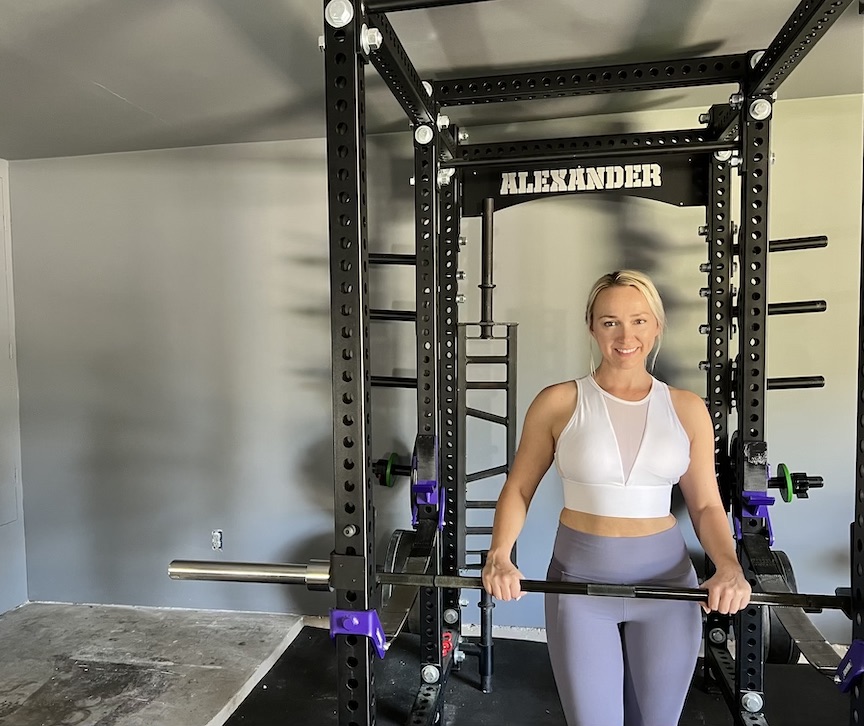
home gym benefits; squat rack of Alexander Training, personal trainer in Austin, Texas

Benefits of a Home Gym

I will cover these in greater detail below, but in a nutshell, here are some benefits of a home gym:

  • ease of use because of lowered psychological barrier 
  • saves time
  • saves money*
  • no sharing equipment
  • no one else’s sweat!
  • you get to pick the music
  • you are entirely responsible for your pace (work:rest ratios)
  • no gym manager oversight
  • you can try weird exercises!
  • you can maintain your equipment

Read also how to heat your garage gym this winter.

Ease of Use

Your home gym will become easier to use because of lowered psychological barrier of time, traffic, commute, etc. Some days a quick 20 minute HIIT session is what your body needs, and it’s hard to justify the commute time to do 20 minutes. Other days you’ll want an hour or 45-minute workout, and with your home gym setup and your own schedule, you can do it as quickly as you need.

It’s worth it, and easy to commit to when you have easy access. It’s literally right there. 

When exercise is easier to do and there are fewer barriers in the way, it’s more likely you’ll stick to a regular exercise routine. If having in-home training makes you more consistent in your fitness routine, then it’s absolutely the right choice. 

home gym benefits
The benefits of a home gym!

Home Gyms Save Time

As mentioned above, a home gym will save commute time, and wear and tear on your vehicle. You won’t get caught in gym chit-chat (for better or worse, because many times those are great chit-chats).

When life gets busy and your schedule is in a pinch, it’s a huge plus to have gym equipment close. This allows you to have complete control over your workout routine. Slash the travel time and see how much time you are able to devote to your strength training when your equipment is in the comfort of your own home. 

Saves Money *

I really love gyms, so I usually end up paying a monthly gym membership or two. BUT over time, you can potentially see some cost savings from not having membership fees. Of course, your home gym equipment will be available to your family members too. Maintaining memberships for the whole family is one thing that quickly drives up the cost of gym memberships. You might* save money if you let go of your monthly gym fee.

*The caveat here is that if you fall in love with building out your dream gym, it miiiight not save you money in the long run. You can always make a small dedicated space in a spare room in your house and begin with some free weights, a yoga mat, and resistance bands. Here is what I consider a minimal viable investment in fitness equipment for a home gym. 

Pretty soon though, you might get the itch to get your own squat rack, plates, and specialty bars. I can’t even discourage you. It’s the most fun way to spend a lot of money; even more fun than buying shoes! It’s also one of the best investments you’ll make in prioritizing your physical fitness and healthy lifestyle.

No Sharing Equipment

Whether you are a germ phobe or not, there are definite benefits to having your own space and your own equipment. A traditional gym will have a ton of equipment, yes, but I feel like I can get anything that I need done with my power rack and a couple barbells.

Since I don’t have to share, a small space is plenty sufficient. I can put my gym bag anywhere, I can use as much chalk as I want, and I know no matter what I’ll get a good workout. 

Plus, there’s no mess unless you made it. Here are my best tips on how to organize your home or garage gym.

No One Else’s Sweat

One of my favorite things about a public gym is that it’s a great way to meet people. They usually have a fun assortment of personal trainers and regulars, all of whom you can learn from. There are the water cooler talks in the locker room and by the bench press, and a community of fitness enthusiasts is a pretty fun addition to your daily life.

A public gym is still public, and that means other people’s sweat. Ew. Home gym owners can at least sweat in the comfort of their own home lol

You Get to Pick the Music

What you enjoy listening to is probably not what the training staff has to guess is palatable enough for everybody. It took me time to recover from hearing it a trillion times, but I’ll always have a soft spot for Rihanna’s Please Don’t Stop the Music (holla, Gold’s Gym 2007 staff & friends!). When it’s your gym and your rules, play what fires you up at whatever volume you want! This is actually a pretty fantastic home gym benefit.

You Are Responsible for Your Pace

I appreciate the spirit of cooperation, and it often works out beautifully that people with specific needs on a specific exercise program share equipment in the gym. However, when you have a plan, it’s not fun to have to wait for someone who is doing one set per 15 minutes on the one functioning piece of equipment you need, not re-racking weights between, and generally taking a ton of time between work sets. When you are dedicated enough that you are working on a specific pace to induce a specific adaptation, the inconsiderate gym hogs can really slow you down.

With your home workouts in your own workout space, you can work on your specific goals at your own pace. Morning person, night owl, fast trainer or slow enjoyer – setting your own pace is one of the best parts of having your own gym.

No Gym Manager Oversight

Most gym managers and owners are pretty cool, but they do get to set the tone. The ones that do it right can make a local gym the most fun, supportive environment in the world.  If they are off a little bit in a way that changes your mojo, that can really affect your training. If you are ready to call all the shots, you need your own place.

You Can Try Weird Exercises!

If you are always learning and always trying new things, it’s nice to have your own space to do so. Nothing’s wrong with going off the beaten path, but sometimes it’s more enjoyable to explore your training style without an audience. Doing a weird type of exercise or type of workout is just something I prefer to do at home. Similarly, I like going for PR’s without an audience. I do better when I know it’s me and only me. Having a lot of people around distracts me. I know I need to work on this, but having my own training environment is the perfect solution for me.

You Can Maintain Your Equipment

This might be the best part of having your own home gym. It hurts my heart every time I see someone abusing or mistreating gym equipment. You can bet that doesn’t happen at my home. You get to make sure your bars are straight, your plates face the right way (you know what I mean), shoes and feet are kept off your equipment, and your bench upholstery doesn’t get torn up. I can keep my equipment on a schedule of regular maintenance and cleaning. Respecting exercise equipment is a very important aspect of learning gym etiquette, and I love knowing that my own gym equipment is taken care of. 

Start Your Home Gym!

Whether you continue your fitness journey with bodyweight workouts in your spare bedroom, or you take it next level and full up your garage with home gym machines, I encourage you to start your own home gym. It is one of the best long term investments you can make in reaching your health and fitness goals. 

If I can help you get start with your own home gym, let me know! Remember it doesn’t have to be fully stocked to start. You don’t have to have anything fancy like a smart gym, expensive bumper plates or adjustable dumbbells. You can start with a pair or two of dumbbells or a band. If you need help decided what to start with, check out my suggestions for home gym essentials here:

Home Gym Essentials

Related: IF a home gym is not for you, or you just can’t pick… check out the best gyms in Austin. 🙂

Happy Training!

Try the first week of The Home Team training, free. You can do this whole workout program at your home gym!


About the author

Kathryn Alexander is a strength coach and personal trainer in Austin, Texas. She loves hiking, college football, and the feel of a perfectly knurled barbell. Read more about Kathryn here.

Filed Under: Home gyms Tagged With: home gym

How to Do The Dead Bug

May 4, 2021 by Kathryn Alexander

The dead bug is a trunk and core stability exercise that can be done at beginner to more advanced levels. As long as you can safely lay flat on your back on the floor, you can do it. Read below and watch the videos to learn how to do the dead bug and its variations.

Begin with the easiest version, described below. Once you have mastered that, you can progress to the tougher versions by using a foam roller, or performing the 4-way dead bug. Videos are below.

How to Do The Dead Bug

  • lay on your back with arms and legs extended into the air 
  • squeeze your abs to press your back into the ground
  • maintain this abdominal squeeze
  • extend your right arm and left leg toward the floor in a controlled manner
  • shorten your range of motion if your low back pops off the ground
  • return to your start position, and repeat with your opposite arm and leg

Practice, practice. You’ll get it- this one’s a thinker! 

Performing the dead bug on a foam roller provides an extra stability challenge.

The 4 way dead bug is the toughest. Keep your abs very engaged and low back pressed into the ground. This is a tough variation. I’d ideally like your reps to be better than my first rep in the video. Watch the reps to see if you can spot what I could have done better.

How To Incorporate The Dead Bug In Your Program

Add this exercise in last, or with your ab/core work. You typically don’t want to exhaust your trunk musculature and then go do an exercise that requires core stability for safety, like the barbell squat. For this reason, you’ll often see more focused ab and core work at the end of a session. 

Start with 5 well executed reps per side. If that’s easy, add more reps up to 10. At 10 high quality reps, you can start incorporating the harder versions. The goal is always quality over quantity, so you can drop back to 5 reps again when trying a more challenging version. 

Happy training! Let me know how you incorporate the dead bug into your program! As always, feel free to email me with questions! Kathryn@kathrynalexander.com.

Learn More New Exercises Below

core strength exercises dumbbells with Kathryn Alexander Training

Core Strength Exercises: Dumbbells Edition

cable squats muscles worked by Kathryn Alexander Austin personal trainer

Cable Squats: Muscles Worked and How to do Them

plank exercises for beginners

Plank Exercises for Beginners

Kathryn Alexander doing HIIT (high intensity interval) training on stairs in Austin, Texas.

5 Tips to Plan for a Fit Fall Season

how to do RDLs with dumbbells

How to do RDLs with dumbbells (Romanian deadlifts)

How to do barbell rows

How to Do Barbell Rows and Row Variations


About the author

Kathryn Alexander is a strength coach and personal trainer in Austin, Texas. She loves hiking, college football, and the feel of a perfectly knurled barbell. Read more about Kathryn here.
Filed Under: How To Tagged With: how to

Backyard Conditioning

April 27, 2021 by Kathryn Alexander

Sometimes you just need a backyard conditioning session. Find yourself a little bit of grass and try this session. Each exercise name is a video link.

  • squat
  • bear crawl
  • lunge
  • lateral lunge
  • windmill

Do 5-10 reps of each exercise and then move on to the next exercise. Do the whole first round with no equipment. When you have done all of the exercises, rest for 1-2 minutes and repeat. You can do the entire session with no equipment, but some of the videos show equipment being used. IF you have weights, you can use them on round 2 and later.

Round 2

If you want an increase in challenge on the second round, try squat jumps instead of squats, and Bulgarian split squats instead of lunges. Your round will look like this:

  • squat jump
  • bear crawl
  • Bulgarian split squat
  • lateral lunge
  • windmill

Aim for 3 rounds and reassess. Work hard but work smart. Listen to your body, and rest as you need.

backyard conditioning Kathryn Alexander
backyard conditioning by Kathryn Alexander

Cooldown & Stretching

When you have done all the rounds you’d like, walk a few laps as your heart rate decreases. Then do the following stretches, 30 seconds per side, twice.

  • standing hip flexor stretch
  • standing hamstrings stretch
  • side stretch

About the author

Kathryn Alexander is a strength coach and personal trainer in Austin, Texas. She loves hiking, college football, and the feel of a perfectly knurled barbell. Read more about Kathryn here.
Filed Under: Training Tagged With: training

How to do the Floor Press

April 19, 2021 by Kathryn Alexander

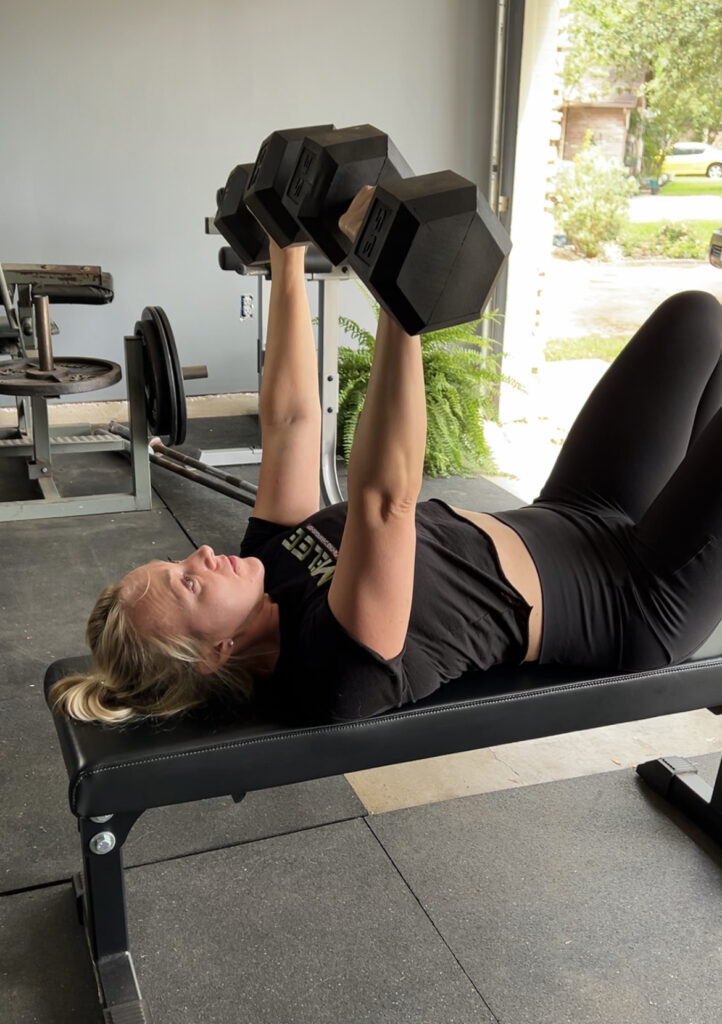
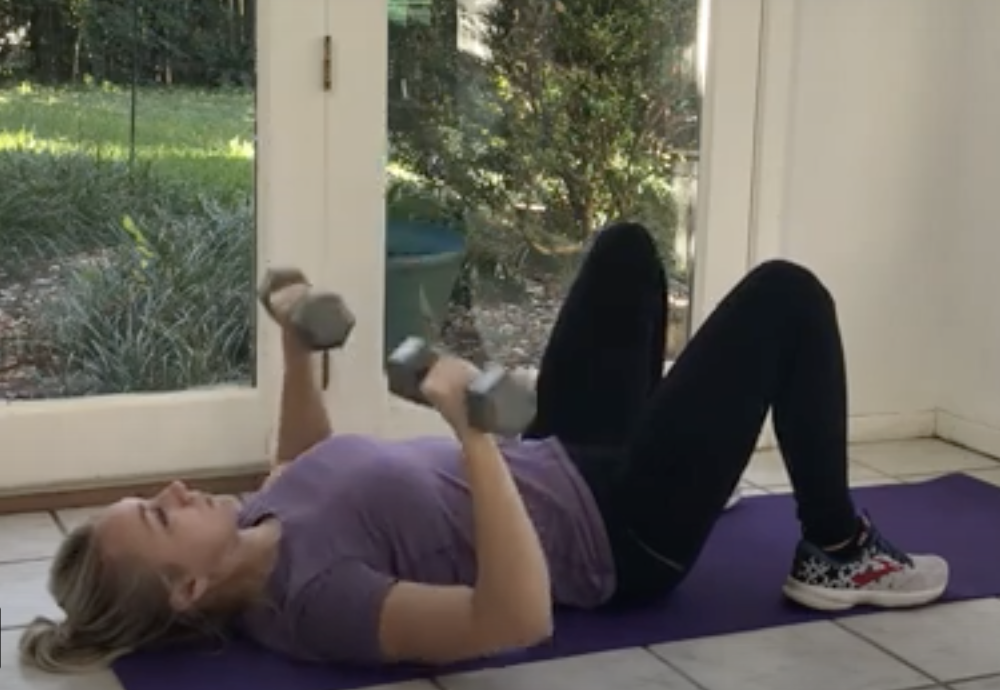
You have probably done some sort of horizontal pressing, such as pushups, bench press, dumbbell press. But have you done the dumbbell floor press? Often overlooked for other presses, the dumbbell floor press also develops pressing strength and works the pecs, triceps and shoulders. It helps with lockout strength because it has a shorter range of motion than a traditional bench press. Read on for videos and descriptions of how to do the floor press.

How to Properly Execute the Dumbbell Floor Press

  • grip your dumbbells from a sitting position and roll back to lay flat
  • lay on your back with your elbows to your side
  • elbows should be slightly tucked, not directly out from your shoulders
  • press the dumbbells toward the ceiling until your elbows are straight and above your chest
  • do not let the dumbbells make contact with each other
  • control the return to your start position
  • from here, press the dumbbells into your legs to roll up
  • do not flop your arms out to your side to set the dumbbells down. That’s unnecessarily hard on your shoulders

When to Floor Press

The floor press can be your main lift if you would like it to be. In that case, warm up well and then begin with a medium weight. You can increase the weight each set.

If you will also be bench pressing or heavy dumbbell pressing in your session, I recommend doing the floor press after, as an assistance exercise.

how to do floor press

How Heavy to Go On the Floor Press

Since I consider the floor press an assistance or accessory exercise, and you won’t do it in competition like the bench press, I suggest keeping the reps between 6-12. No one’s going to ask you at a party, “How much you floor press, bro?” Keeping this in mind, consider it’s utility to you: to help with your bench press or pressing strength. You can go fewer than 6 (and therefore heavier than that) IF you can do this safely. Have an exit plan and/or a spotter. Remember that it’s not necessary to max out on these. 

Can’t get enough of how-tos? Check out this super challenging leg exercise.

Let me know how you like floor presses! If you have questions about how to use them, feel free to comment below or email me! kathryn@kathrynalexander.com

See How to Do More Exercises Below

core strength exercises dumbbells with Kathryn Alexander Training

Core Strength Exercises: Dumbbells Edition

cable squats muscles worked by Kathryn Alexander Austin personal trainer

Cable Squats: Muscles Worked and How to do Them

plank exercises for beginners

Plank Exercises for Beginners

Kathryn Alexander doing HIIT (high intensity interval) training on stairs in Austin, Texas.

5 Tips to Plan for a Fit Fall Season

how to do RDLs with dumbbells

How to do RDLs with dumbbells (Romanian deadlifts)

How to do barbell rows

How to Do Barbell Rows and Row Variations


About the author

Kathryn Alexander is a strength coach and personal trainer in Austin, Texas. She loves hiking, college football, and the feel of a perfectly knurled barbell. Read more about Kathryn here.
Filed Under: How To Tagged With: how to

Benefits of Training Alone

April 19, 2021 by Kathryn Alexander

Exercise can be done a million ways: in a group, as a team, with your partner, a neighbor or friend. It can be intense and mission driven, or just a way to pass healthy time. Training can also be done solo, and there are a lot of benefits that come with it.

Peace and Quiet 

Or not! You get to pick. Training out alone affords you the time to take a break form the world; away from the coworkers, the kids, and your overflowing inbox. You get to pick your music, or choose no music. You get to recharge and spend time without having to be “on” at work or serving others. This is about you! 

the benefits of training alone
One of the benefits of training alone: I get to play around and do whatever I want to do!

Exercise Is Meditative

Training done properly is not rocket science, but it is not simple! You should be paying attention to the nuances of form; your grip, hand and foot placement, angles of the body. Correct set up is a procedure in itself. From there, during and after the movement, you should be collecting feedback about the tempo, control, and speed of the rep. This feedback guides the decisions about the next set.

It is truly a misnomer to call meatheads “meatheads”. Again, not rocket science, but if you are paying attention to your training, it does not leave much room for consciously ruminating about your problems. The end result is a peaceful mind and a happily exhausted body.

Awareness of the Body

Since you are more attune to your body without the distraction of working out with others, you become more aware of how you feel. You can feel illness before it truly sets in, potentially giving you the chance to head it off. I have often seen clients have an “off” day, only to discover that later they come down with a milder illness or realize allergies are about to flare up. 

the benefits of training alone
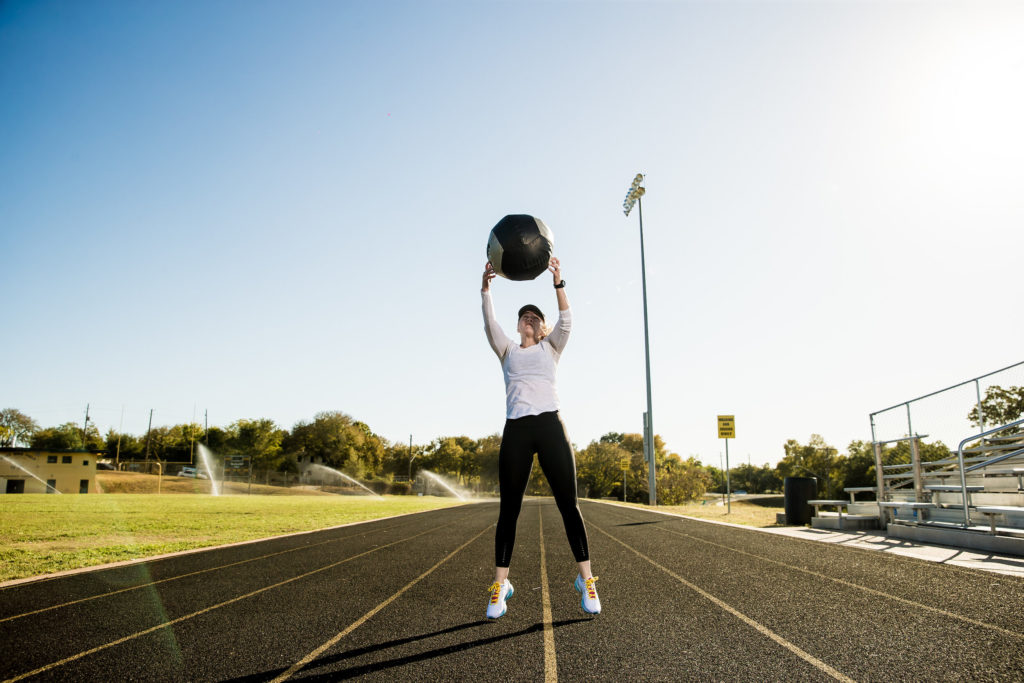
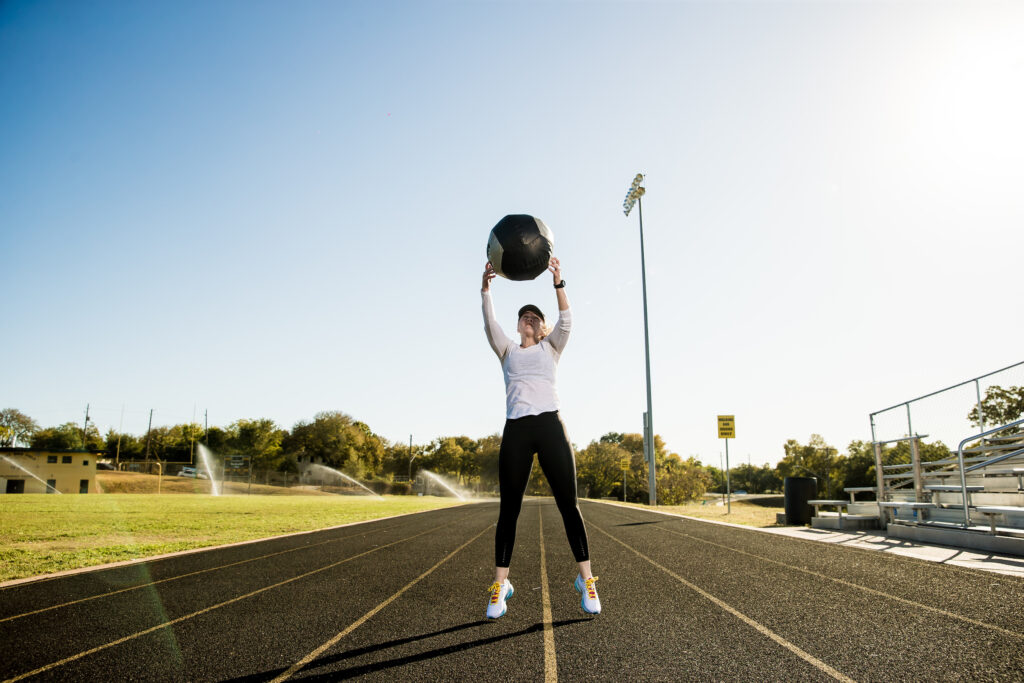
Solo training session at the track.

This isn’t to say you can’t have this benefit while training with others, but training alone heightens your ability to focus on yourself. Give yourself the gift of training alone and see how you enjoy it.


About the author

Kathryn Alexander is a strength coach and personal trainer in Austin, Texas. She loves hiking, college football, and the feel of a perfectly knurled barbell. Read more about Kathryn here.
Filed Under: Training

How Often Should I Workout?

April 6, 2021 by Kathryn Alexander

People ask me this question often and want the one right answer.

There is no one right answer, but our bodies do well with frequent movement. It would be optimal to move every day.

But how you move every day is important too. You don’t need to go all-out hard every day, and going too easy every day won’t help you as much either. When you are lifting hard, heavy, or doing HIIT training (links) you’ll want to add some lower intensity days. If you are healthy and conditioned, doing all lower intensity days will decondition you.

So how many days should you exercise? It’s not rocket science, but there are lots of right answers to this question and none the same from person to person. Read on to learn about what is best for you right now.

Crammed for time? Check out How to Make Time to Workout with a Busy Schedule.

How often should I workout?

Factors to Consider

Let’s start here:

  • What are your goals?
  • Do you have a deadline for your goals?
  • What is your schedule like?

What Are Your Goals?

Do you have an event to prepare for, like an athletic competition or a wedding? Does this event require you to compete physically, or do you just want to look great? If you don’t have an event to prepare for, are your goals related to health? You might have short term health goals like reaching a certain percent of body fat, or a certain amount on your bench press. Or, you can have truly long term goals like maintaining your conditioning and balance all your life.

I encourage you to think hard about what you want, both short term and long term. “I want to be healthy” is GREAT, but pretty vague. I want to be healthy all my life too. I want to be hiking to remote natural hot springs, moving the furniture when I want, doing my own lawn work, maintaining healthy blood pressure and body composition. Think specifically about what you really want to do next year, and when you are old.

Do You Have a Deadline for Your Goals?

Like your short term and long time goals, consider if you have timelines for these. If you have an event, do you have to peak to be at your best physically? Do you want to feel good in your own skin at a reunion or beach vacation? If you have a short term goal coming up quickly and you intend to meet it, you’ll have to prioritize exercise more.

You can have short and long term goals. In fact, I recommend it. They keep you moving, and keep that sense of relevance. It’s easy to put off working toward a 10-year goal until tomorrow, but not as easy to put off working toward a beach vacation next month.

What is Your Schedule Like?

I do want you to prioritize your health at all times, but it’s important to understand that sometimes life demands a lot of your energy elsewhere. Post -injury, -surgery, -childbirth, during some school or work programs, and caring for a sick loved one, might chronically stress and drain you. In these situations, you do what you can. Your goal is to take care of your body to the extent that you can now, so you are healthy when you can push it later.

Scheduling 5 sessions a week in your busiest time in life, then missing them and feeling guilty leads to a depression spiral. Instead, be honest about what you can do. Do you have a pocket of time on Saturday mornings, and 15 minutes after the kids go to bed? In that case, you can schedule in a full training session on Saturday and quick movements a couple other days a week. Even ten minute walks once a day add up.

How Many Days Should You Workout?

The final answer is that you should consider how many days you need to workout given the proximity to your goals. Be reasonable about how much you can do. You can’t do 3 months of work in a week, so give yourself plenty of time but work hard. Likewise, keep your long term health in mind and exercise even if it’s 1 day a week.

Remember every season of you life will be different. You will be able to give more physically in some stages of life than others. If you do the best with what you have, whether it’s 2 quick sessions a week or 6, you’ll always be at your best. If you are in a period where you don’t have as much to give, do your best to take care of yourself and get through that time. When you have the time and energy, take advantage of it!

The bottom line is, do what you can even if it doesn’t feel like much. It all adds up! Email me if you have questions about your situation!


About the author

Kathryn Alexander is a strength coach and personal trainer in Austin, Texas. She loves hiking, college football, and the feel of a perfectly knurled barbell. Read more about Kathryn here.

Filed Under: Training

  • « Go to Previous Page
  • Go to page 1
  • Interim pages omitted …
  • Go to page 5
  • Go to page 6
  • Go to page 7
  • Go to page 8
  • Go to page 9
  • Interim pages omitted …
  • Go to page 12
  • Go to Next Page »

Primary Sidebar

Kathryn Alexander, personal trainer in Austin
Hi, and welcome here! -Kathryn

Did you know I make custom training plans? Tell Me More!

Recent Posts

  • 5 Steps To Keep Progressing On Your Fitness Right Now
  • Thanksgiving Joy + Fitness Momentum (Yes, Both!)
  • My Clients’ Secret for Successful Holidays
  • The Best Gifts for Powerlifters and What 1 Gift to Avoid
  • More Semi-Private Personal Training Options!

Footer

Follow

  • Email
  • Instagram
  • YouTube

Affiliate disclaimer

As an Amazon Associate I earn from qualifying purchases.

Newsletter sign up

  • Home
  • About Kathryn Alexander
  • Blog
  • Success Stories
  • Training Programs
  • Start Today

Copyright © 2025 · Genesis Sample on Genesis Framework · WordPress · Log in

  • Featured In
  • Privacy Policy
  • Resources
  • Online Personal Training
  • Personal Training
  • Training Programs