• Skip to primary navigation
  • Skip to main content
  • Skip to primary sidebar
  • Skip to footer
Alexander Training personal trainer Austin Texas

Alexander Training - personal training in Austin, Texas

Personal training in Austin, Texas and customized strength programs in Austin, Texas.

  • Home
  • About Kathryn Alexander
  • Blog
  • Success Stories
  • Training Programs
  • Personal Training

Equipment

Bala Power Ring Workout (Full Body)

April 22, 2026 by Kathryn Alexander

The Bala Power Ring is a cute little fitness accessory that you can use for a full body workout at home. The one I’m using in this post is the pink 10 pound Bala Power ring. Ten pounds is not a huge amount of weight, so if you are working on absolute strength, you’ll need to find heavier weights, and use this as a supplement. 

Bala power ring workout for full body muscular work
Austin personal trainer Kathryn Alexander and the pink Bala ring 🙂

However, if you’re using this as a moderate full body session, or you are starting fresh, getting back into shape, this routine will be great for you! 

Also, it looks super cute hanging out in the house. I actually bought this one for my mom and have been borrowing it for a year or so. Ooops, sorry Mom. I’ll bring it back. 

Why Use the Bala Power Ring?

Not every workout needs a full gym setup, a complicated plan, or a bunch of equipment spread across your floor. Sometimes one tool is enough to give a workout structure, add some resistance, and make basic movements a little more interesting. 

Here’s the exact one I bought: Bala Power Ring. Disclaimer: As an Amazon Associate I earn from qualifying purchases, but I want you to know I did buy and I do use this one. 🙂

If you have one and are wondering what to actually do with it, this is a good place to start.

This full-body workout is built around simple, effective movements you can do at home. It is meant to feel like a real workout, not a gimmicky social media routine where you spend more time repositioning the equipment than training. You will work your legs, glutes, arms, shoulders, and core, and you will also get a little balance and coordination challenge along the way.

The great thing about the Bala Power Ring is that it can be used similarly to a dumbbell or kettlebell, giving you lots of options. Holding resistance in front of your body changes how you organize your posture. Moving the ring overhead challenges your shoulders and trunk. Adding it to lower body movements like a reverse lunge or squat can give the workout just enough load to feel productive without making it intimidating.

Why the Bala Power Ring Works

The ring is useful because it is simple. It adds resistance, but it also changes leverage a bit depending on where you hold it. That means a front loaded squat feels different from a squat with no load. A press held away from the body feels different from a press close to the chest. Even moving it from one side of your body to the other can turn a basic core exercise into something that needs a little more control.

The goal is not to pretend the ring is a substitute for every other piece of equipment. It is not. If your goal is maximal strength, you will eventually need heavier resistance. But for home workouts, general strength, muscle endurance, and movement quality, quality of life, the Bala power ring can absolutely be useful.

It works especially well for people who want to:

  • make bodyweight training a little harder
  • add variety without overcomplicating the workout
  • improve coordination and control
  • build consistency with short, manageable sessions

And honestly, that is a lot of people.

A Few Form Notes Before You Start

Before getting into the workout, a couple of cues will help everything feel better.

Keep your shoulders out of your ears as much as you can. A lot of people grab equipment and immediately tense their neck and upper traps like they are trying to win a shrugging contest. Don’t do that.

When your knees are slightly bent, keep a micro bend instead of locking the joints out hard. That applies during standing positions, hinge movements, and transitions. 

The Full-Body Bala Power Ring Workout

You can do this as a circuit for 2 to 4 rounds. Rest about 30 to 45 seconds between exercises if needed, and around 1 to 2 minutes between rounds.

1. Goblet Squat with the Bala Power Ring

Reps: 10 to 12

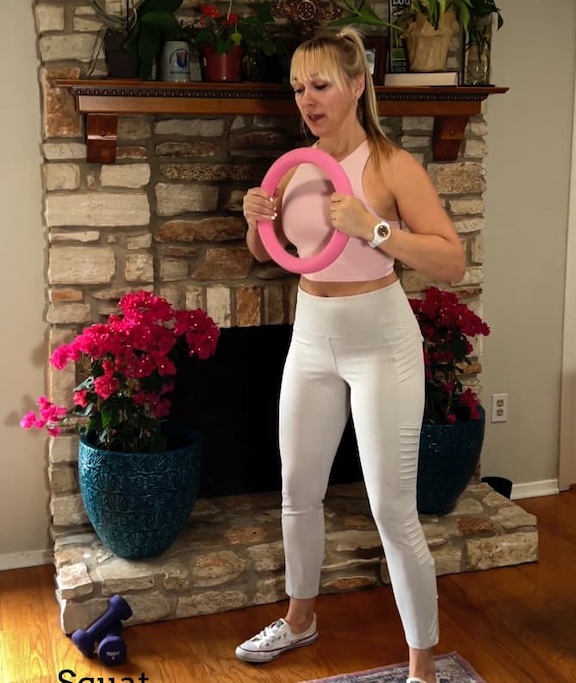
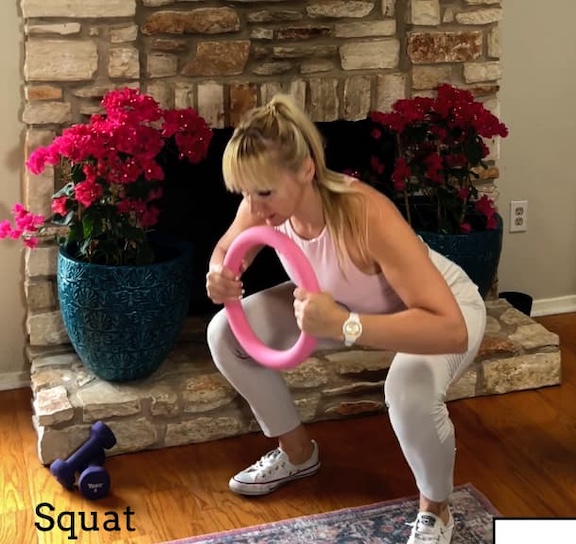
Hold the Bala power ring at chest height with both hands. Stand with your feet around hip-width to shoulder-width apart. Take a breath, brace your midsection, and sit down into a squat. Keep the ring close to your chest as you lower, then drive through your feet to stand back up. Think whole feet, flat on the ground. As you stand up, push your big toes into the ground.

This is a good opener because it gets your legs working right away and helps wake up your posture. Holding the ring in front also encourages you to stay a little more upright.

​Don’t rush at the bottom or dive bomb into it. Think about sitting to your goal depth, and then starting the lift from there. That helps you not drop too fast into the squat. 
Bala ring squat
Bala ring squat
Bala ring squat

2. Reverse Lunge

Reps: 8 to 10 per side

Hold the ring in front of your chest. Step one leg back into a reverse lunge, lower under control, then return to standing. Repeat all reps on one side or alternate sides. Either is fine.

When you step back with the right leg, think about dropping straight down instead of pitching your torso all over the place. Your front foot should stay grounded, and your front knee should track in a natural line over the foot.

Lunges are simple, but really effective! They challenge leg strength, balance, and control, which is part of why they are so useful.

If your balance feels shaky, shorten the range of motion at first. You do not need to hit a dramatic deep lunge to make it effective. Also, holding on is not cheating. Hold on for balance if you need!

3. Overhead Press

Reps: 10 to 12

Stand tall and hold the ring at chest level with both hands. Press it overhead, then lower it back down.

This is a great move for shoulders and upper-body, but it is also a core exercise whether people realize it or not. Once the resistance goes overhead, your trunk has to work to keep you from leaning backward.

At the top, keep the ribs from flaring. On the way down, stay controlled rather than letting the ring drop.

You may find that a slight bend in the knees and a firm stance helps. Again, keep that tiny tiny, like 2 degree angle bend in your knees instead of locking out.

You can also do these one arm at a time, if 10 pounds is an do-able weight for you. 

Need more? Here’s a whole shoulder circuit with the Bala Ring!

Are you training at home, and need a fan for summer? Check these out! Best garage gym fans.

4. Bent-Over Row

Reps: 10 to 12

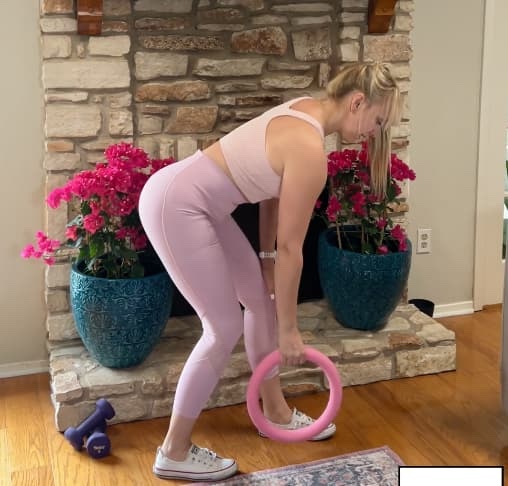
Hinge forward from the hips and hold the ring with both hands. Your back should stay long, your chest slightly open, and your knees softly bent. Pull the ring toward your torso, squeeze your upper back, and lower it with control.

This one is important because a lot of home workouts get very push heavy and forget about pulling strength. Rows help train the upper back, which are important for posture, shoulder health, and just generally not feeling folded over by your day.

Try not to shrug as you row. Think elbows back, chest still, not collapsing as you row.
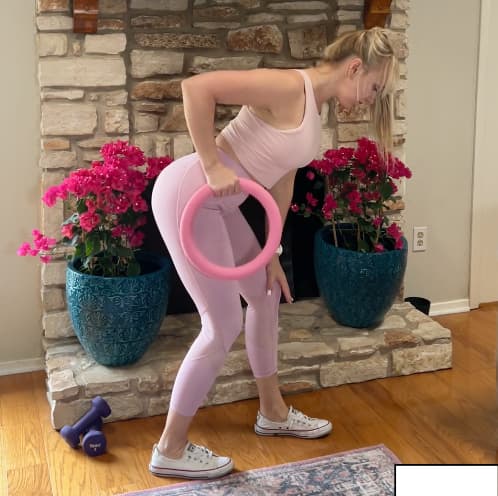
Bala power ring row; bent over row. Workout for back
Bala power ring row; bent over row.
Bala power ring row; bent over row. Workout for back

5. Split-Stance Rotation Hold

Reps: 8 per side or 20-second hold

Step into a split stance and hold the ring straight out in front of you. Rotate it slightly toward one side of your body, then return to center. You can also hold it still and let your trunk work to resist movement.

This is where the workout starts to challenge your core in a rotational way. Instead of just doing crunches on the floor, you are learning how to stabilize while your limbs and load move in space.

Keep the movement small and controlled. It does not need to be exaggerated. Stay steady and do not let your hips wobble around.

6. Dead Bug Ring Press

Reps: 8 to 10 per side

Lie on your back and hold the ring above your chest. Bring your knees into tabletop. Press the ring upward to create tension, then slowly lower one leg while keeping your trunk steady. Bring it back up and switch sides.

This is one of the best core options in the whole workout because it teaches you how to control your pelvis and ribcage while your limbs move.

When lowering the leg, go only as far as you can without your back popping off the floor. Keep the press active the whole time.

It is easy to underestimate this one, but if you do it deliberately, it will benefit you. It’s very Pilates-esque.

7. Halo Around the Head

Reps: 6 to 8 each direction

Stand tall and move the ring in a slow circle around your head, switching directions after your reps.

This exercise works shoulder control, coordination, and trunk stability. It is not meant to be fast. Move carefully and keep your head and neck relaxed.

You may notice one direction feels much smoother than the other. That’s ok!

8. Glute Bridge Ring Reach

Reps: 10 to 12

Lie on your back with knees bent and feet flat. Hold the ring over your chest. Lift into a glute bridge, then reach the ring slightly toward the ceiling or slightly back behind you if your shoulders allow. Lower with control.

This gives you some posterior chain work and one more chance to train trunk control while your arms move.

Do not turn it into a huge back arch. Think ribs down, hips up, glutes working.

Note that these are very very light. If this is super silly light for you, you can skip this and do it at the gym when you have more weight available to you.

A Simple Way to Structure It

If you want an easy format, try this:

  • 10 goblet squats
  • 8 reverse lunge reps per side
  • 10 overhead presses
  • 10 bent-over rows
  • 8 split-stance rotations per side
  • 8 dead bugs per side
  • 6 halos each direction
  • 10 glute bridges

Do 2 to 4 rounds, depending on your energy and schedule.

That is enough for a solid session. It does not need to be more elaborate than that.

How to Make the Workout Harder

Once this starts to feel familiar, there are a few easy ways to progress it.

You can slow the tempo down, especially on the lowering phase. You can add a pause at the bottom of the squat or lunge. You can increase the number of rounds. You can reduce rest slightly. And you can combine movements, like doing a squat into an overhead press.

Progress does not always mean adding tons of weight. Sometimes it just doing the reps better, more deliberately, or making slight adjustments to your pgoram.

That is one reason people can get more out of Bala products than they expect. The equipment itself is simple, but simplicity is not a weakness when the programming makes sense.

Need some direct arm work? Check out this at home biceps routine.

Where Bala Bangles and Other Bala Products Fit In

There are several Bala products, and they’re all pretty. If you already have Bala bangles, you can use them alongside the ring for walking, light arm work, or some lower-body exercises. I would not pile every piece of equipment into every session just because you can, but there is room to mix things in. You’ll want to periodize, or rotate your workouts. NOT every session, but every 4-6 weeks most likely.

The Bala beam can also offer more options if you want a little more loading variety. But even if you only have Bala rings, you can still get a workout in because you have so many options. That is the whole point.

The best equipment is the equipment you will actually use.

Disclaimer: As an Amazon Associate I earn from qualifying purchases.

Final Thoughts on the Bala Power Ring

The Bala power ring is a cute little weight that that can make home training more structured, more engaging, and a little more challenging.

If you use it with control, pair it with good basic movements, and stay consistent, it can absolutely support effective full body strength workouts. Squats, rows, presses, rotation, core work, and a well executed reverse lunge go a long way. 

Like I said, I use this pink one and I love it. You can find more here on Amazon: Bala Power Ring. Disclaimer: As an Amazon Associate I earn from qualifying purchases, but I want you to know I did buy and I do use this one. 🙂

Work With Me!

If you are looking for a personal trainer in Austin, I’d love to talk with you! If you are not in Austin, Round Rock, or central Texas, let’s talk about online training.

Message me here for a free consult about personal training in Austin, Texas, or here for online personal training, and we’ll discuss your goals, background, equipment availability, schedule, and exercise preferences.

Let’s get you strong and healthy! 💪
About the author

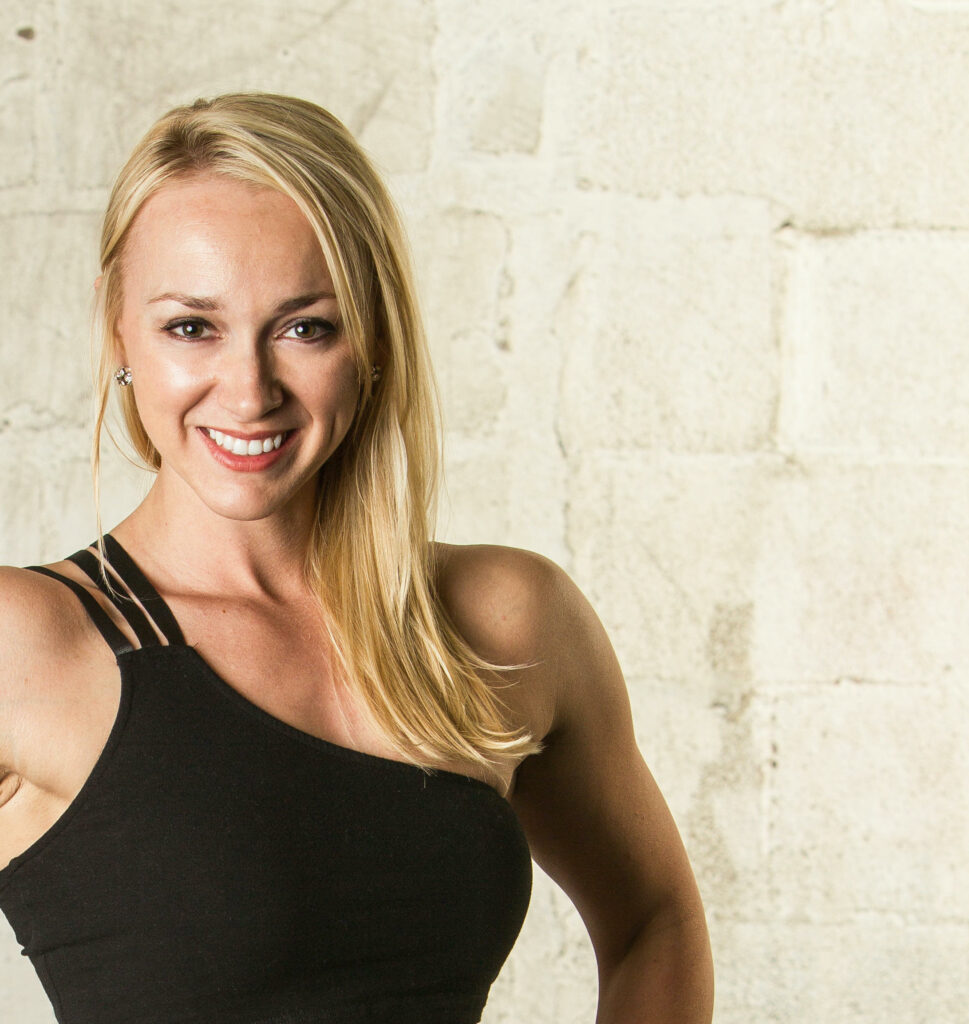
Kathryn Alexander is a strength coach and personal trainer in Austin, Texas. She loves hiking, college football, and the feel of a perfectly knurled barbell. Read more about Kathryn here.



  • Bala power ring workout
    Bala Power Ring Workout (Full Body)
  • walking lunges for deadlift for lower body strength.
    The Best Lower Body Muscular Strength Exercises
  • deadlift barbell vs trap bar
    Deadlift Barbell vs Trap Bar: Which Is Better for Strength, Muscle, and Safer Pulling?
  • Things to do in Austin in April (2026)
    Things to Do in Austin in April (2026)
  • Client results and testimonials for trainer Kathryn Alexander
    Love Notes, Volume 5. Q1, 2026
  • Best garage gym fan. Drum fan in my garage gym. I love this one because it's easily portable.
    Best Garage Gym Fans 2026

Filed Under: Equipment, Home gyms Tagged With: Bala, Bala Power Ring, home workouts

Deadlift Barbell vs Trap Bar: Which Is Better for Strength, Muscle, and Safer Pulling?

March 31, 2026 by Kathryn Alexander

Deadlift barbell vs trap bar, the age old question. Which is better?? Spoiler alert, it’s not an easy answer, and there are many ways to determine which is best for you. Keep reading 🙂

I grew up in a town that had two gyms: an adjunct to a local hospital system (shoutout Dynamic Dimensions), and Curves.

Austin is the opposite. There are so many gyms in Austin, so many specialized training facilities. If you have spent any time lifting in Austin, whether at a big commercial gym, a serious strength gym, or a well-equipped home gym, you have probably seen a million specialty barbells.

deadlift barbell vs trap bar
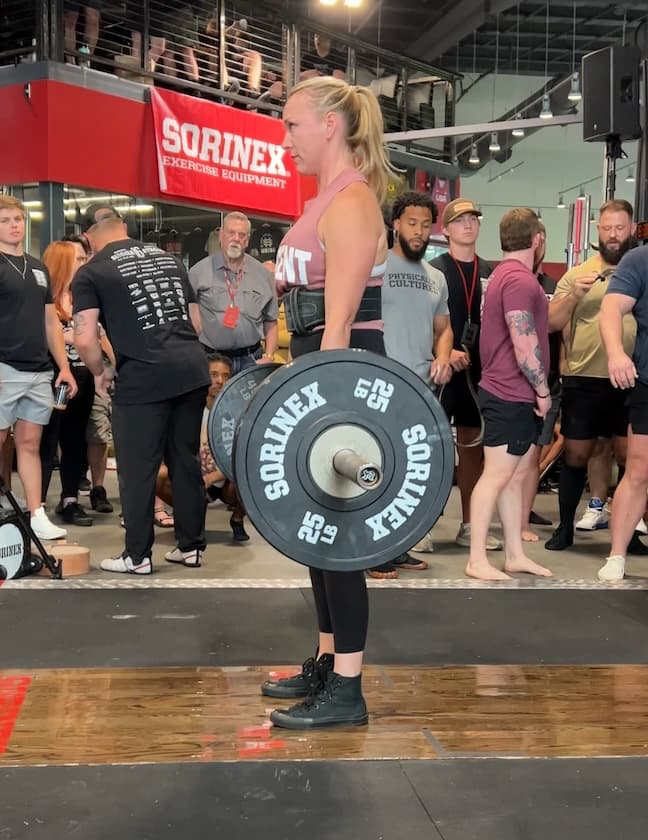
Kathryn Alexander deadlifts with a Texas power bar

Among them, both the traditional straight bar deadlift and the trap bar deadlift getting plenty of use. And if you are an intermediate lifter, there is a good chance you have asked the same question a lot of people ask once they move past the beginner stage: when it comes to deadlift barbell vs trap bar, which one is actually the better option?

I’ll give you a hint: four time World’s Strongest Man Jón Páll Sigmarsson said, “There is no reason to be alive if you can’t do deadlift.”

So Which is Better?

The honest answer is that both are great exercise choices. Both train the lower body, challenge the posterior chain, and let you move heavy weight. But they are not interchangeable in every situation. The main difference is not just the shape of the bar. It is how the load lines up with your body’s center, how your joints have to organize around that load, and what that means for performance, comfort, and long-term progress.

For some lifters, the conventional deadlift with a straight barbell is the clear choice because it is more specific to powerlifting, better for mastering the classic hip hinge movement, and a staple exercise for overall strength. For others, the hex bar deadlift is a safer alternative, a good option for building muscle and force without beating up the lumbar spine quite as much.

This guide will walk through the real-world pros and cons of both so you can decide what fits your specific goals, training history, and body best.

Why This Comparison Matters

Once you are past the novice stage, exercise selection matters more. You are not just trying to learn how to move. You are trying to choose the best way to keep getting stronger, keep building muscle, and keep training consistently.

That is where this conversation gets useful.

The choice between a traditional barbell deadlift and a trap bar dl affects:

  • Your starting position
  • How much load your hips and back take
  • How much range of motion you train
  • How much grip strength is challenged
  • Whether the lift feels smooth or awkward for your structure
  • How much fatigue it creates compared to the payoff

In other words, this is not just a gear question. It is a programming question.

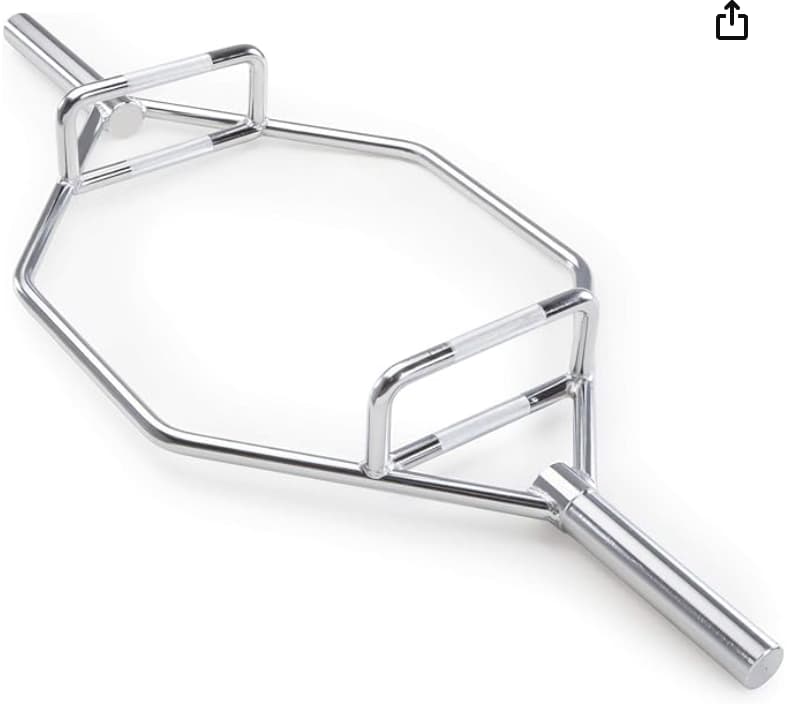
If you’re looking for a good trap bar, this Marcy one is a great home option. I love Marcy products! They’ve been a solid company forever! Please note that as an Amazon Associate I earn from qualifying purchases.

Marcy Olympic Hex Trap Bar

What Is the Main Difference Between a Deadlift Barbell and a Trap Bar?

The primary difference is where the load sits relative to you.

In a conventional barbell deadlift, the bar starts in front of your shins. With a regular straight bar, you have to hinge back hard, keep the bar close, and pull in a near straight line over the middle of the foot. That setup creates a bigger demand on the hips, hamstrings, spinal erectors, and back muscles. It also requires more skill to keep the rest of the bar tracking well through the top of the lift.

Simply put, your legs are in the way. You have to hinge more to move the bar around your body.

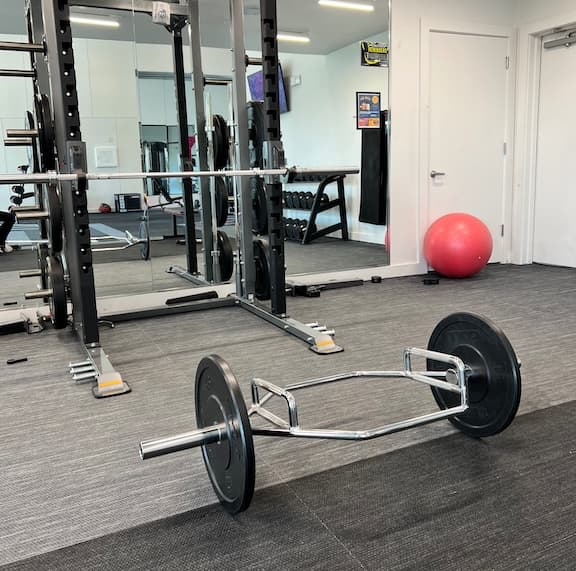
In a trap bar deadlift, you stand inside the bar. The weight plates are arranged around your body rather than entirely in front of it. That shifts the center of gravity and often allows a more balanced pull with a more upright torso position. For many lifters, that means less stress on the lower back and an easier time getting into a better position at the start of the lift.

That is why the trap bar often feels more natural right away.

Conventional Barbell Deadlift: What It Does Well

The conventional barbell deadlift remains one of the most respected lifts in strength training for a reason.

It is a true full-body exercise. It trains the hips, hamstrings, glutes, back, trunk, forearms, and upper body in one hard effort. It also teaches you to produce force through a classic hip hinge pattern that carries over to many other lifts and athletic actions.

It is highly specific to classic strength training

If you care about the traditional deadlift, the standard barbell deadlift is the lift. If you ever want to enter a powerlifting competition, you need to train with a straight barbell. That alone makes it the better option for some lifters.

Even if you do not compete, there is value in learning the traditional straight bar deadlift well. It teaches patience off the floor, precise bracing, lat tension, and technical discipline.

It strongly challenges the posterior chain

A well-executed regular deadlift loads the glutes, hamstrings, spinal erectors, and other hip extensors heavily. Because the bar is in front of you, there is generally more forward torso lean and larger hip moments than with a trap bar. That often means more work for the posterior chain.

If your goal is to get brutally strong in the hinge and develop those back-side muscle groups, the traditional barbell deadlift is hard to beat.

It builds pulling skill and grip

With a barbell, your hands are outside your legs. You may use double overhand, hook grip, or mixed grip depending on the load. That makes the lift valuable for grip strength and for learning how to keep the bar close through the whole pull.

It also tends to expose technique flaws more clearly. That can be frustrating, but it can also make you a better lifter.

Trap Bar Deadlift: What It Does Well

The benefits of trap bar deadlifts are real, and that is why the movement has become so common in performance gyms and general strength programs.

The trap bar was popularized by Al Gerard, and some lifters still refer to quality trap bars as Gerard bars. The basic idea was simple: create a bar that lets lifters pull heavy without forcing the same leverage demands as a traditional straight bar deadlift.

It often puts lifters in a better position

For many intermediate lifters, the trap bar makes it easier to find good form. Because the load is more centered, you can often start with an upright position, more knee bend, and a more upright torso position.

That does not make it easy. It just makes it more accessible.

For lifters who struggle to hit a clean deadlift setup without a lot of mobility work, the trap bar can be a very good option. It may let you train hard while you continue improving hip mobility, hamstring flexibility, and bracing mechanics.

It may reduce stress on the lower back

A lot of people switch to trap bar pulling because conventional pulls keep irritating their back. That does not mean the trap bar is automatically pain-free, and it is important not to overpromise. But because the load is not as far in front of you, many lifters feel less stress through the lumbar spine.

That is one reason the trap bar is often seen as a safer alternative for people with a history of lower back pain, or for athletes who already take on a heavy training load from back squats, sprinting, jumping, and sport practice.

Again, that is not a guarantee of lower risk of injury. Proper form, smart loading, and good programming still matter. But the setup is often more forgiving.

It is excellent for force and power

The trap bar also helps if you want to move heavier loads fast. Many coaches like it for athletes because it supports strong power output and aggressive leg drive. The lift often feels like a blend between a squat and a deadlift.

That makes it a great exercise for general strength and athletic development, even if it is not as specific as a regular straight bar pull.

High Handles vs Low Handles

One of the best parts of many trap bars is that they offer two sets of handles.

High handles

High handles shorten the pull and reduce the total range of motion. This can be useful if:

  • You are coming back from irritation or fatigue
  • Your mobility is limited
  • You want to overload the top half with a heavy load
  • You are using trap bar pulls in place of something like rack pulls

Because the handles start higher, the setup is less demanding. For some people, that is exactly what they need.

Low handles

Low handles make the pull more demanding and more comparable to the floor height of a barbell deadlift. They increase the range and usually require more control in the bottom position.

If you want a trap bar version that feels more like a full pull, low handles are usually the better option.

Which Lift Builds More Muscle?

Both lifts can help with building muscle.

A conventional deadlift may create more demand on the hamstrings, glutes, spinal erectors, and upper back. A trap bar deadlift often gives you more quad contribution while still hitting the glutes and hamstrings hard. So the answer depends partly on which muscle groups you want to emphasize.

For many intermediate lifters, the trap bar is easier to recover from, which can matter more than theoretical muscle activation differences. If you can train the lift hard, keep good form, and come back ready for your next session, that matters.

The barbell deadlift can absolutely build muscle, but it is also very fatiguing. For some lifters, especially in a hypertrophy-focused phase, there may be deadlift variations that deliver more local muscular work with less whole-body fatigue.

That is why many strong programs use the deadlift as part of a broader plan that includes Romanian deadlifts, split squats, rows, and even basics like bench press, overhead presses, and squats rather than trying to make one lift do everything.

Which Lift Lets You Use More Weight?

Many lifters can move a heavier weight with a trap bar than with a conventional barbell deadlift.

That is usually because the mechanics are more favorable. The load is closer to the body’s center, the torso can stay more upright, and the knees can contribute more. All of that may put you in a better position to express force.

But don’t get too hung up on the number.

A trap bar PR and a straight bar PR are not the same thing. These are different movements, not identical tests. You may handle comparable loads in a program, but they do not mean the same thing mechanically or technically.

If your goal is the most weight possible in the purest gym sense, you might prefer the trap bar. If your goal is the strongest traditional deadlift, you need the barbell.

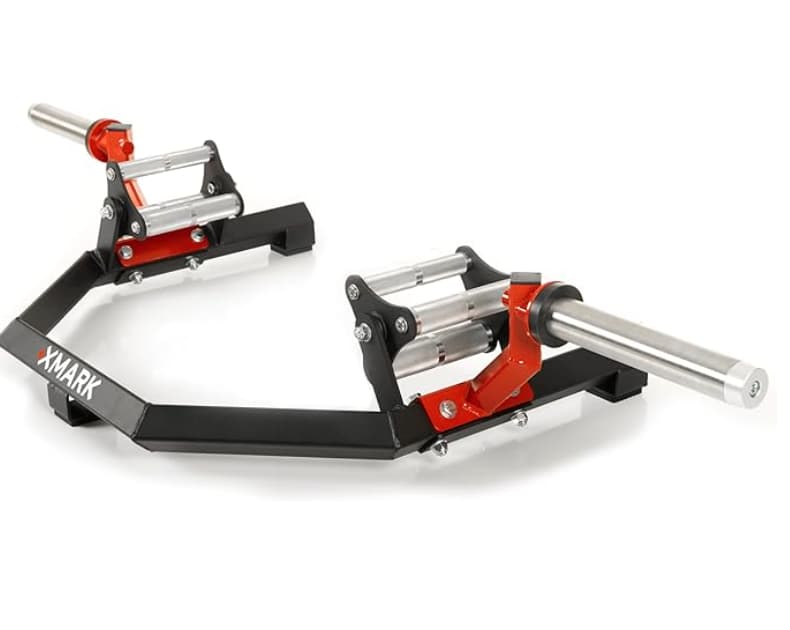
Here’s a good home open trap bar option.

XMark Open Hex Trap Bar, Specialty Barbell with Rotating Tri-Grip Handles in 30mm, 38mm, and 45mm, Fits Bumper Plates and Weight Plates with 2″ Insert

Which One Is Safer?

This is where people often get too absolute.

The trap bar is often presented as the safer alternative, and for many lifters that is fair. It can reduce the demands that bother some people, especially around the lower back. It is often easier to learn. It also usually allows a cleaner starting position with less technical breakdown.

But “safer” is not the same as “safe no matter what.”

A common mistake is assuming a friendlier setup means you can stop paying attention. You still need a deep breath, strong brace, controlled hinge, and clean finish at the top of the lift. You still need to avoid jerking the bar, yanking with rounded shoulders, or chasing heavier loads before you own the pattern.

The straight bar deadlift has a higher technical demand, but with proper form, sensible progression, and good recovery, it is not some reckless movement either. It is just less forgiving.

Deadlift Barbell vs Trap Bar for Specific Goals

If your goal is powerlifting

Choose the conventional barbell deadlift or the sumo deadlift, depending on your style. The trap bar will not replace competition-specific pulling.

If your goal is general strength

Either can work. The trap bar is often the better option if you want a strong, sustainable hinge without as much technical wear and tear.

If your goal is athletic performance

The hex bar deadlift is a very strong choice. It supports force production, allows heavy loading, and often fits well alongside jumps, sprints, and squats.

If your goal is posterior chain development

The traditional barbell deadlift usually has the edge, especially if you execute a true hinge and keep the bar close.

If your goal is training around back sensitivity

The trap bar is often a good option. Not always, but often. Many lifters find it creates less stress and lets them keep training productively.

What About Range of Motion and Technique?

The range of motion question matters.

With a straight bar, the bar path begins over midfoot and the plates start at a fixed height. The bar has to travel in a controlled line. Your hip position, shin angle, and torso angle all have to work together.

With a trap bar, the setup changes based on bar design and handle height. Low handles create a deeper pull. High handles reduce the depth and can feel closer to a partial pull.

Neither is automatically better. But if you are comparing them honestly, make sure you are comparing similar setups.

A trap bar using high handles is not the same challenge as a floor pull with a standard barbell deadlift.

Check out these other exercises for lower body muscular strength.

How I’d Think About It in a Real Program

For most intermediate lifters, I would not treat this as an either-or forever decision.

I would treat it as a tool choice. Think of it as two different exercises.

Use the traditional deadlift when you want to sharpen hinge mechanics, develop classic pulling strength, or train specifically for barbell performance.

Use the trap bar when you want to train hard with a little more freedom, reduce technical friction, or manage fatigue while still moving a heavy load.

In many programs, you can rotate them.

For example, a lifter training three or four days a week might spend a couple months emphasizing trap bar work while building capacity, then switch back to barbell deadlifts when they want more specificity. Another lifter may keep trap bar pulls as the main heavy hinge and use Romanian deadlifts or paused barbell pulls as accessory work.

That can be a very smart compromise.

Final Verdict: Deadlift Barbell vs Trap Bar

So, in the debate over deadlift barbell vs trap bar, which wins? Barbells, for sure. Haha, well that’s my choice.

Truth is, neither wins in every category.

The conventional deadlift is the better choice for specificity, pure hinge development, and lifters who want mastery of the classic pull. It is a staple exercise and still one of the best exercise options in strength training when done well.

The trap bar is often the better choice for general strength, athletic development, comfort, and lifters who want to pull heavy from a more forgiving setup. The unique benefits are real, especially for intermediate lifters who want to keep progressing without unnecessary wear and tear.

If you are choosing between them, do not ask which one is “best” in the abstract.

Ask which one puts you in the better position to train hard, stay healthy, and move toward your specific goals.

That is the answer that actually matters.

trap bar vs deadlift barbell

My Favorite Deadlift

Back to Jón Páll Sigmarsson’s famous quote. He was not talking about trap bar deadlifts. My vote is that trap bar deadlifts are fantastic tools, and barbell deadlifts are the best thing ever.

FAQ: Deadlift Barbell vs Trap Bar

Is a trap bar deadlift easier than a conventional deadlift?

For many lifters, yes. The trap bar usually allows a more balanced setup, a neutral grip, and a more upright torso position, which can make the lift feel easier to learn. That does not mean it is light or easy. It just tends to be more forgiving.

Does the trap bar deadlift count as a real deadlift?

Um…. it’s definitely a deadlift. It’s just not THE deadlift. The trap bar deadlift is one of the most useful types of deadlift in strength training. It is just a different movement from a traditional barbell deadlift, with different leverage and different advantages.

Which is better for lower back pain?

The trap bar is often a good option for lifters with a history of lower back pain because many people feel less stressthrough the lower back. But pain is individual. If something hurts, it is worth adjusting the lift, reducing load, and getting qualified coaching rather than forcing it.

Should I use high handles or low handles on a trap bar?

Use low handles if you want a fuller pull and more total range. Use high handles if you need a shorter pull, want to manage irritation, or are trying to overload the movement without pulling from as deep a position.

If I already back squat and barbell squat, do I still need conventional deadlifts?

Not always. If you already do back squats, barbell squats, and other heavy lower-body work, a trap bar deadlift may be enough to give you a strong hinge pattern without as much extra fatigue. But if your goal includes improving the conventional barbell deadlift, then yes, you should train it directly.

Work With Me!

If you are looking for a personal trainer in Austin, I’d love to talk with you! If you are not in Austin, Round Rock, or central Texas, let’s talk about online training.

Message me here for a free consult about personal training in Austin, Texas, or here for online personal training, and we’ll discuss your goals, background, equipment availability, schedule, and exercise preferences.

Let’s get you strong and healthy! 💪

About the author

Kathryn Alexander is a strength coach and personal trainer in Austin, Texas. She loves hiking, college football, and the feel of a perfectly knurled barbell. Read more about Kathryn here.

  • Bala power ring workout
    Bala Power Ring Workout (Full Body)
  • walking lunges for deadlift for lower body strength.
    The Best Lower Body Muscular Strength Exercises
  • deadlift barbell vs trap bar
    Deadlift Barbell vs Trap Bar: Which Is Better for Strength, Muscle, and Safer Pulling?
  • Things to do in Austin in April (2026)
    Things to Do in Austin in April (2026)
  • Client results and testimonials for trainer Kathryn Alexander
    Love Notes, Volume 5. Q1, 2026
  • Best garage gym fan. Drum fan in my garage gym. I love this one because it's easily portable.
    Best Garage Gym Fans 2026

Filed Under: Equipment, Training Tagged With: barbells, deadlift, equipment

Primary Sidebar

Kathryn Alexander, personal trainer in Austin
Hi, and welcome here! -Kathryn

Recent Posts

  • Bala Power Ring Workout (Full Body)
  • The Best Lower Body Muscular Strength Exercises
  • Deadlift Barbell vs Trap Bar: Which Is Better for Strength, Muscle, and Safer Pulling?
  • Things to Do in Austin in April (2026)
  • Love Notes, Volume 5. Q1, 2026

Did you know I make custom training plans? Tell Me More!

Footer

Follow

  • Email
  • Instagram
  • YouTube

Affiliate disclaimer

As an Amazon Associate I earn from qualifying purchases.

Newsletter sign up

  • Home
  • About Kathryn Alexander
  • Blog
  • Success Stories
  • Training Programs
  • Personal Training

Copyright © 2026 · Genesis Sample on Genesis Framework · WordPress · Log in

  • Featured In
  • Privacy Policy
  • Resources
  • Online Personal Training
  • Personal Training
  • Training Programs